
AlternativeAutomobile29
Search for:
Winterizing Your Electric Vehicle
Tips for Winterizing Your Electric Vehicle

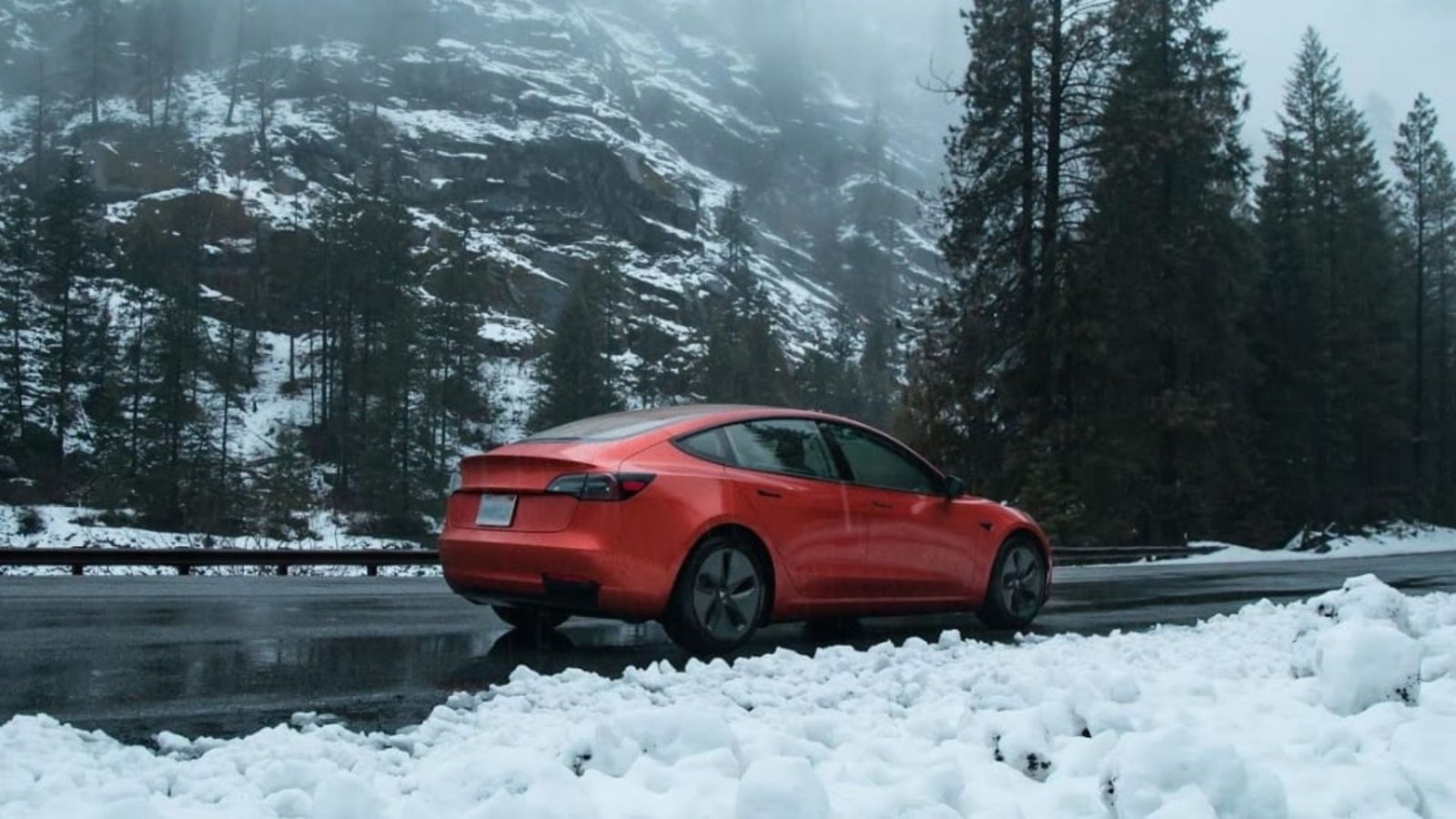
Winterizing your electric vehicle is essential to keep it running smoothly during colder months. As temperatures drop, electric vehicles (EVs) can experience changes in performance, efficiency, and range. By preparing your EV for winter, you can ensure a comfortable and safe driving experience, even in freezing conditions. In this article, we’ll share practical tips for winterizing your electric vehicle to help you make the most of your car during winter.

1. Keep Your Battery Charged

One of the most important steps in winterizing your electric vehicle is to keep the battery charged. Cold weather can reduce the efficiency of an EV battery, leading to a decrease in range. To avoid running out of power, it’s a good idea to charge your vehicle more frequently during the winter. You should aim to keep the battery level above 20% to prevent any strain. Charging overnight or when the vehicle is parked in a garage will help keep the battery warm and more efficient.

Winterizing Your Electric Vehicle

2. Precondition Your Car

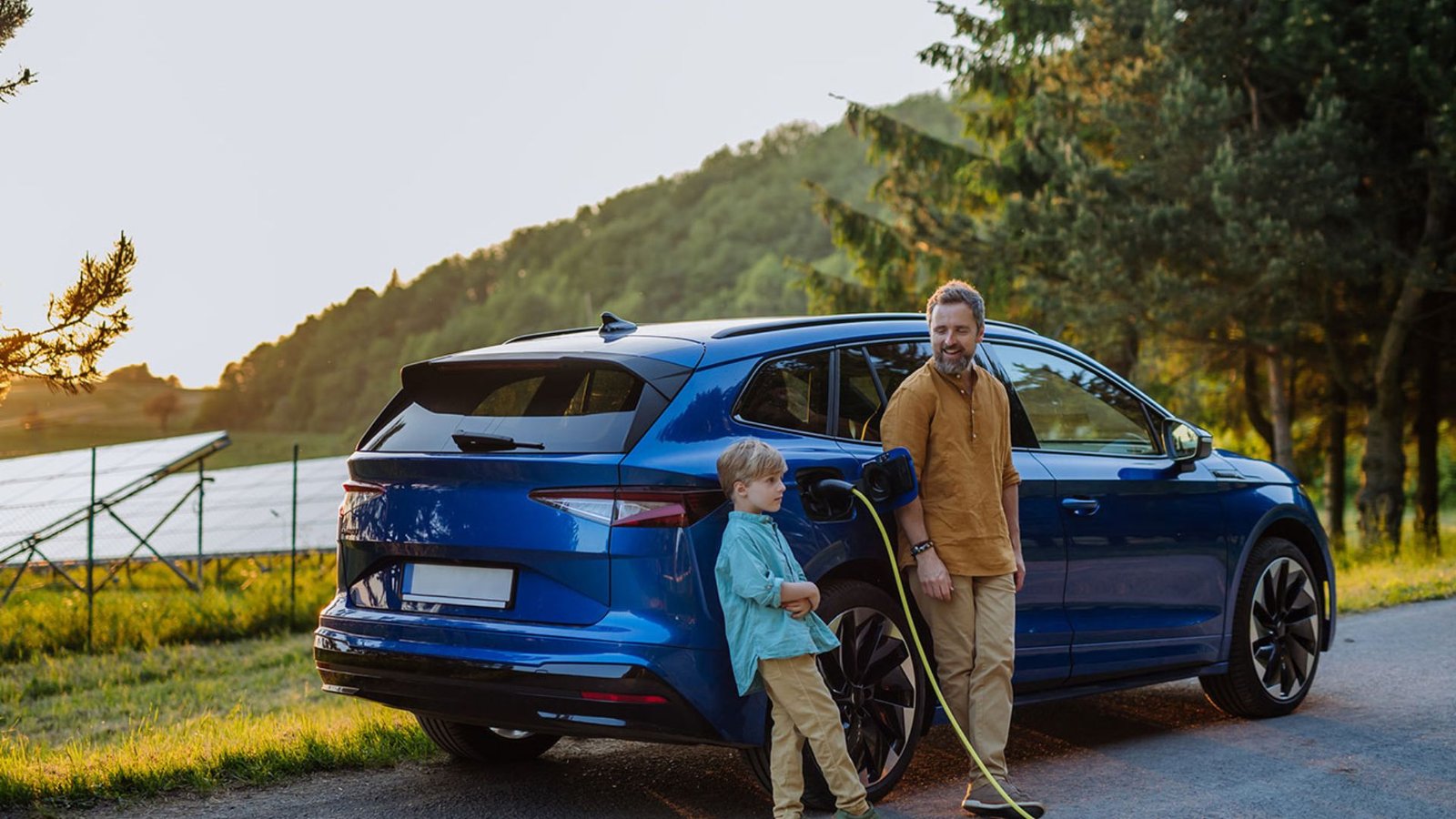
Preconditioning your car means warming up the battery and cabin before you start driving. This is a great way to maximize the range and comfort of your electric vehicle in the winter. Most EVs come with a preconditioning feature that can be controlled via a smartphone app or directly from the car’s dashboard. By setting the car to warm up while it’s still plugged into the charger, you use grid power instead of battery power, which helps save energy and maintain range.

3. Use Eco-Mode

Using eco-mode is another effective strategy for winterizing your electric vehicle. Eco-mode limits the power output and optimizes energy usage, which helps extend the range. This feature reduces the amount of energy used by the heating system, which can be a major drain on the battery in cold weather. When driving in eco-mode, you may notice a decrease in acceleration, but this trade-off can help you travel further without needing to recharge.

4. Check Tire Pressure Regularly

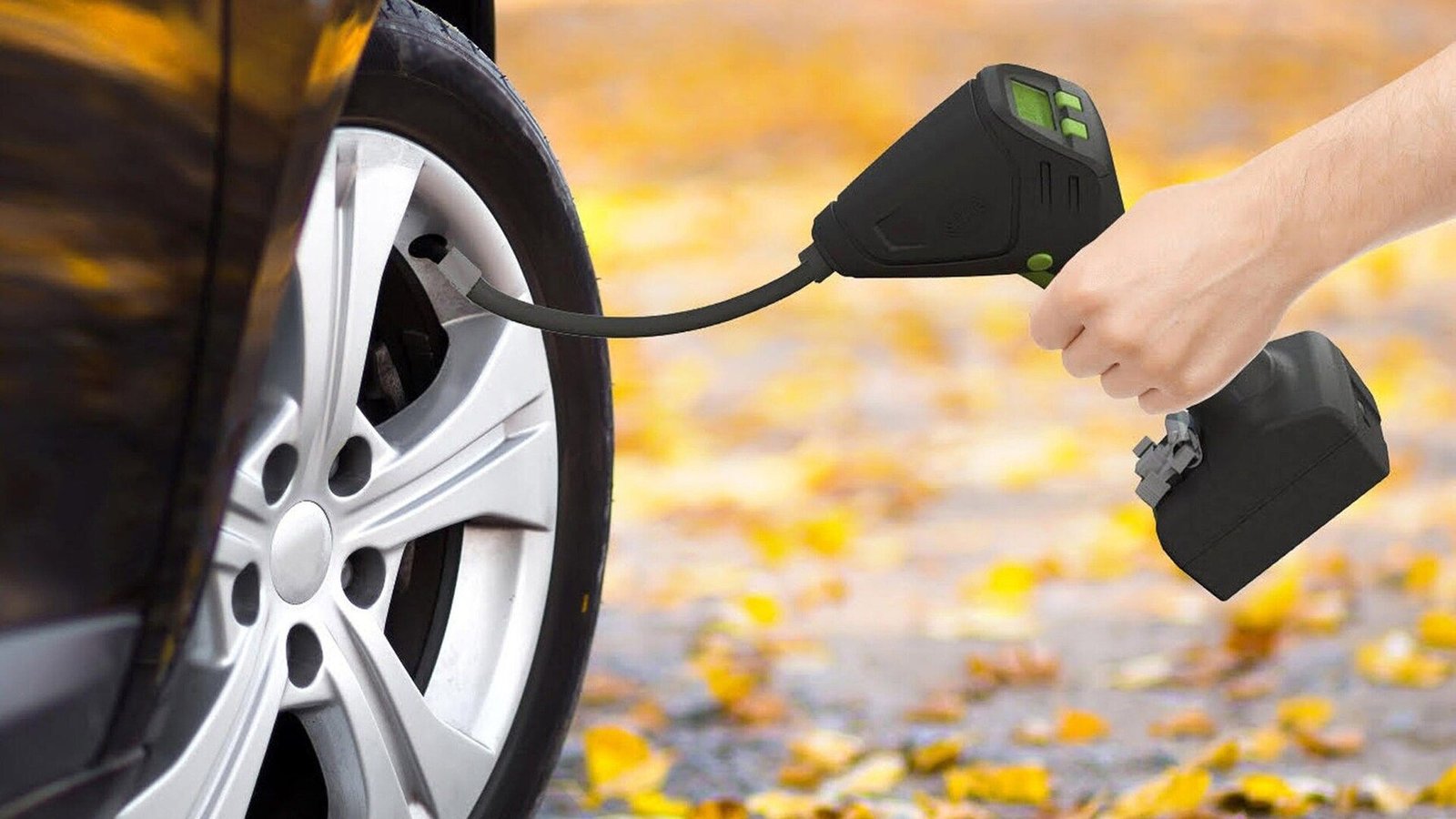
Tire pressure can drop in cold weather, affecting your vehicle’s efficiency and safety. As part of winterizing your electric vehicle, make it a habit to check tire pressure regularly. Underinflated tires can increase rolling resistance, which reduces range and makes handling more difficult. Refer to your vehicle’s manual for the recommended tire pressure and make adjustments as needed to ensure optimal performance.

5. Keep the Battery Warm

A cold battery can reduce an EV’s efficiency and limit the driving range. To keep the battery warm, park your electric vehicle in a garage or sheltered area when possible. If you don’t have access to a garage, consider using a thermal blanket specifically designed for EV batteries. These blankets can help maintain a stable temperature and improve battery performance during winter months.

6. Limit the Use of Cabin Heaters

Heating the cabin can be a significant drain on an EV’s battery. To conserve energy while winterizing your electric vehicle, try to limit the use of cabin heaters. Instead, use seat warmers and heated steering wheels if your car is equipped with these features. These alternatives use less energy and provide targeted warmth, helping to maintain a comfortable temperature without sacrificing battery life.

7. Monitor Your Driving Habits

Your driving habits can impact the efficiency of your electric vehicle, especially in winter. Accelerating gently, maintaining a steady speed, and avoiding rapid braking can help improve your EV’s range. When winterizing your electric vehicle, make a conscious effort to adopt more energy-efficient driving practices. This will not only extend your range but also contribute to the overall longevity of your vehicle.

8. Plan Your Routes Carefully

Planning your routes carefully is essential when winterizing your electric vehicle. Cold weather can reduce your driving range, so it’s important to map out your trips and know where charging stations are located along your route. Having a plan in place will reduce the risk of running out of power, especially on longer journeys.

Conclusion

Winterizing your electric vehicle is essential for maintaining its performance, range, and safety during colder months. By following these tips—such as keeping the battery charged, preconditioning your car, and monitoring your driving habits—you can ensure a smooth and reliable driving experience. Preparing your EV for winter will not only improve its efficiency but also give you peace of mind on the road.
Electric SUVs for 2024
Best Electric SUVs for 2024

Electric SUVs for 2024 are making waves in the automotive industry, offering a blend of eco-friendliness, performance, and versatility. As more manufacturers release new models, buyers have a wide range of options to consider. Whether you’re looking for a luxury ride, something family-friendly, or a sporty SUV, the 2024 lineup has something to offer everyone. In this article, we’ll cover some of the best electric SUVs for 2024, providing details on what makes each of them stand out.

1. Tesla Model Y: A Leader in Innovation

The Tesla Model Y continues to be a top contender among electric SUVs for 2024. Known for its impressive range, the Model Y can travel up to 330 miles on a single charge, making it ideal for long trips. The interior is spacious, with seating for up to seven people, and features a minimalist design that includes a large touchscreen display for controlling most of the vehicle’s functions. Additionally, Tesla’s Autopilot capabilities offer advanced safety and semi-autonomous driving features, making the Model Y a smart choice for those seeking innovation and comfort in their electric SUV.

Electric SUVs for 2024

2. Ford Mustang Mach-E: Performance Meets Style

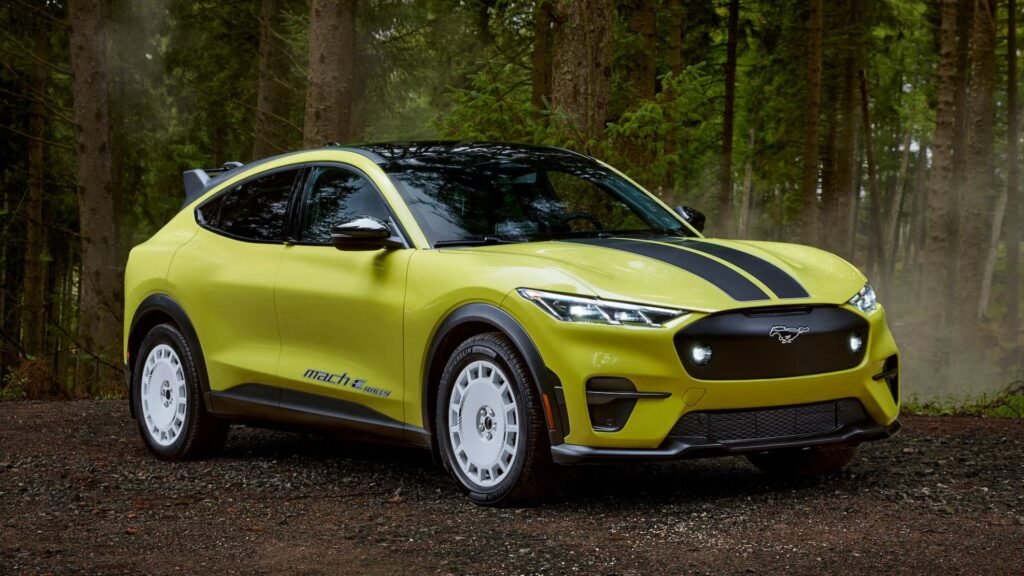
Another standout in the lineup of electric SUVs for 2024 is the Ford Mustang Mach-E. This vehicle combines the classic appeal of the Mustang name with the efficiency of an electric drivetrain. Offering a range of up to 300 miles, the Mach-E also boasts impressive acceleration, going from 0 to 60 mph in just over 3.5 seconds in its GT Performance Edition. The Mach-E’s interior is stylish and modern, with a large vertical touchscreen and plenty of cargo space, making it practical for daily use.

3. Hyundai Ioniq 5: Sleek Design and Advanced Features

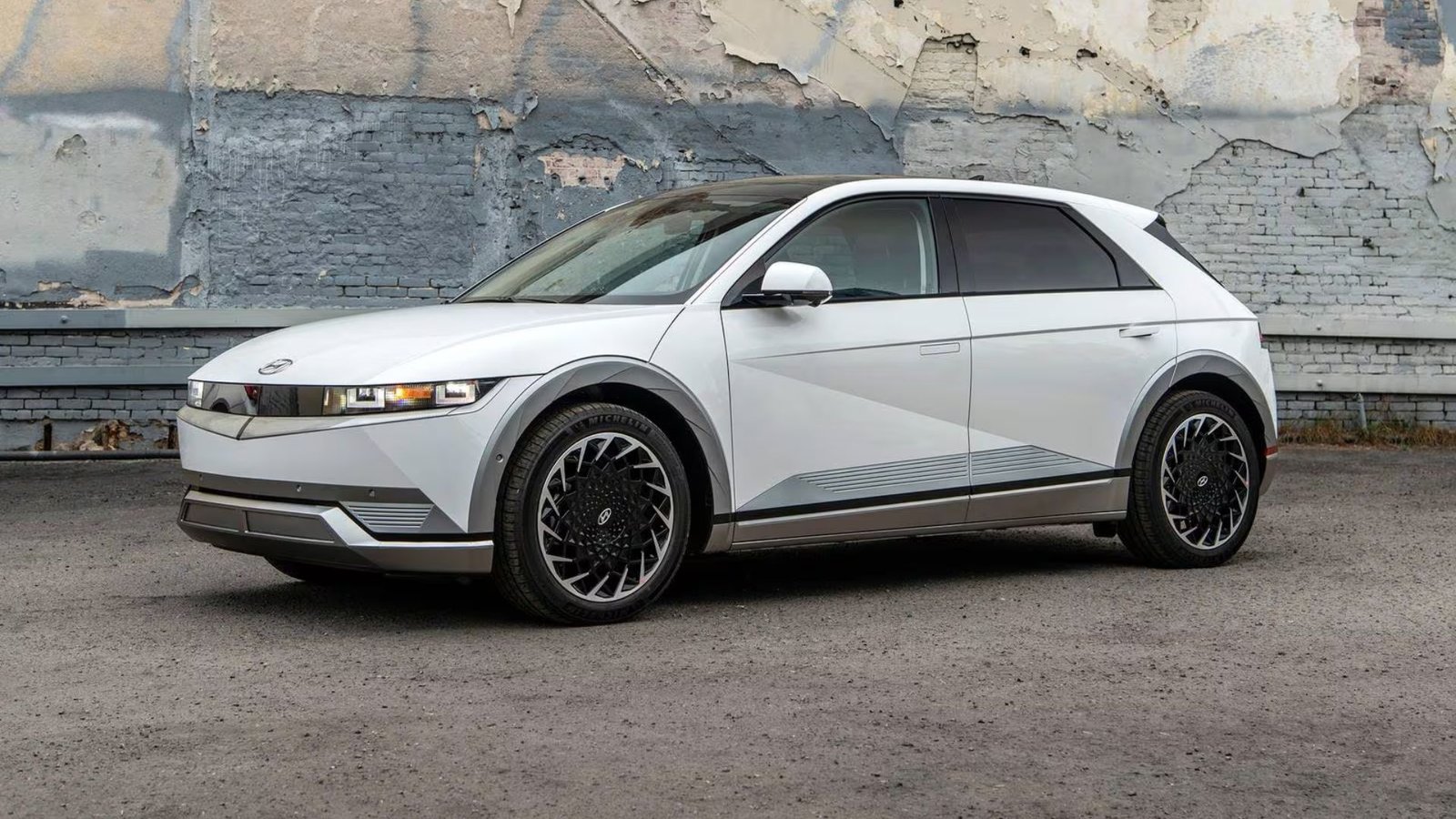
The Hyundai Ioniq 5 is making waves as one of the most futuristic electric SUVs for 2024. With its distinctive, sleek design and spacious interior, the Ioniq 5 stands out from the crowd. It offers a range of up to 300 miles and supports ultra-fast charging, which can recharge the battery from 10% to 80% in just 18 minutes. Inside, the Ioniq 5 provides a comfortable and high-tech environment, featuring a dual-screen setup for the dashboard and infotainment system. This SUV is perfect for tech enthusiasts who also appreciate a stylish ride.

4. Rivian R1S: Rugged and Adventure-Ready

For those looking for adventure, the Rivian R1S is a top pick among electric SUVs for 2024. Built for off-road capability, the R1S comes with features such as all-wheel drive, adjustable air suspension, and a durable design. It offers a range of up to 316 miles, making it suitable for long outdoor excursions. The interior is designed with both luxury and practicality in mind, including a spacious cabin with three rows of seating and a variety of high-quality materials. Rivian’s commitment to sustainability and innovation makes the R1S a great choice for eco-conscious adventure seekers.

5. Audi Q4 e-tron: Luxury and Comfort

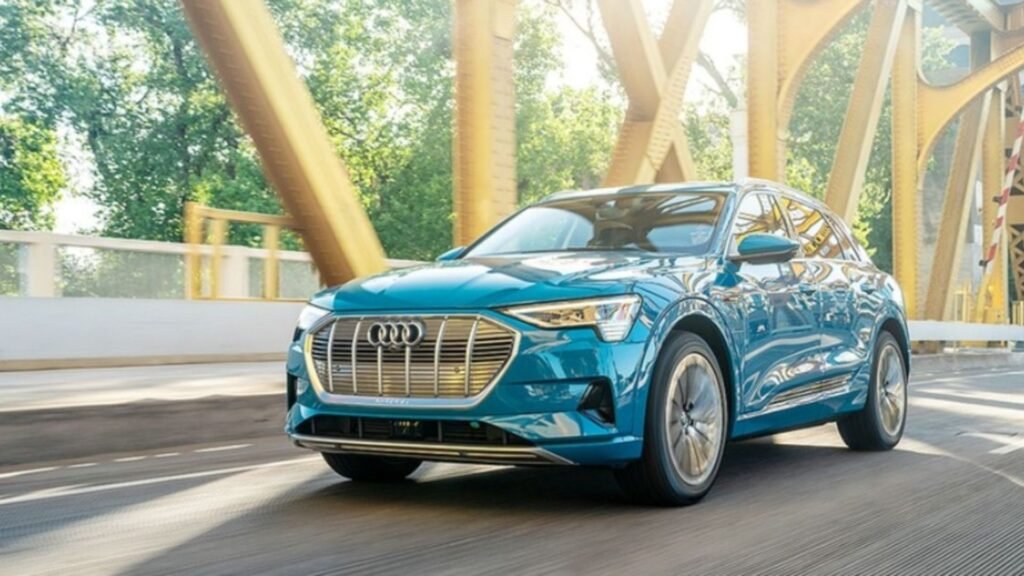
The Audi Q4 e-tron combines luxury with the practicality of an SUV. Therefore, making it a popular choice among electric SUVs for 2024. With a range of up to 265 miles, this SUV is suitable for both city driving and longer road trips. Audi’s renowned attention to detail is evident in the Q4 e-tron’s interior, which features high-quality materials, a spacious layout, and advanced technology. The Q4 e-tron also offers smooth handling and a quiet, comfortable ride. Therefore, making it an excellent option for those seeking luxury in an electric vehicle.

6. Kia EV9: Family-Friendly and Spacious

The Kia EV9 is a newcomer in the realm of electric SUVs for 2024, targeting families with its spacious interior and practical features. Offering three rows of seating, the EV9 can comfortably accommodate larger families while still providing ample cargo space. It boasts a range of around 300 miles and comes equipped with advanced safety features. Hence, making it a reliable choice for everyday driving. The EV9’s user-friendly infotainment system and comfortable ride quality further add to its appeal.

7. Volvo EX90: Safety and Sustainability

Volvo’s commitment to safety and sustainability shines in the EX90, a top contender among electric SUVs for 2024. The EX90 offers an estimated range of up to 300 miles and features a sophisticated interior with sustainable materials. Volvo’s advanced safety systems, including collision avoidance technology and driver assistance features, ensure peace of mind for drivers and passengers alike. The EX90’s elegant design and commitment to eco-friendly practices make it a smart choice for those prioritizing both style and environmental responsibility.

Conclusion

In conclusion, choosing the best electric SUVs for 2024 depends on your preferences and needs. Whether you’re drawn to the innovation of the Tesla Model Y, the performance of the Ford Mustang Mach-E, or the luxury of the Audi Q4 e-tron, there’s an electric SUV out there that fits your lifestyle. With these options, you can enjoy the benefits of driving an electric vehicle without compromising on style, comfort, or performance. As the electric vehicle market continues to grow, these 2024 models represent some of the best choices for eco-friendly driving.

Top Picks for Vintage Cars Collectors

For vintage car collectors, finding the perfect classic car is both a passion and an investment. The world of classic automobiles offers a diverse range of models, each with its own unique charm and potential value. Whether you’re an experienced collector or just starting out, knowing which vintage cars stand out can help you make informed decisions. In this post, we’ll highlight some of the top picks for vintage cars collectors that offer both historical significance and investment potential.

Ferrari 250 GTO: The Pinnacle of Classic Cars

When it comes to iconic vintage cars, the Ferrari 250 GTO is at the top of the list. Produced between 1962 and 1964, the 250 GTO is renowned for its sleek design, exceptional performance, and rarity. Only 36 units were ever made, making it one of the most sought-after and valuable cars in the world. Collectors prize the 250 GTO not only for its historical racing success but also for its breathtaking aesthetics and engineering.

The Ferrari 250 GTO consistently achieves record-breaking auction prices, often exceeding $50 million. Its combination of exclusivity, racing pedigree, and timeless beauty makes it a top pick for serious collectors.

Porsche 911 Classic: A Timeless Icon

Another top choice for vintage car enthusiasts is the Porsche 911 Classic. Introduced in 1964, the original 911 set the standard for high-performance sports cars. Its distinctive design and exceptional handling have made it a favorite among collectors. Early models, particularly those from the 1960s and 1970s, are highly coveted.

The Porsche 911 Classic’s enduring appeal lies in its blend of style and performance. With a strong community of enthusiasts and a well-established reputation, these models continue to appreciate in value, making them a wise investment for collectors.

Jaguar E-Type: Elegance and Performance

The Jaguar E-Type is another classic car that stands out in the vintage market. Produced from 1961 to 1975, the E-Type is celebrated for its stunning design and impressive performance. Enzo Ferrari famously called it “the most beautiful car ever made,” a testament to its aesthetic appeal.

With its combination of elegance and speed, the Jaguar E-Type remains a highly desirable model for collectors. Restored examples, especially Series 1 models, are particularly valuable. The E-Type’s rich history and classic design ensure it remains a top pick for vintage car enthusiasts.

Shelby Cobra 427: American Muscle at Its Best

For fans of American muscle cars, the Shelby Cobra 427 is an unbeatable choice. Produced between 1965 and 1967, the Cobra 427 combines a lightweight chassis with a powerful V8 engine, delivering exhilarating performance. Its racing success and aggressive design have made it a beloved classic.

The Shelby Cobra 427’s limited production and racing pedigree contribute to its high value. Collectors appreciate its raw power and distinctive looks, making it a standout in the world of vintage American cars.

Mercedes-Benz 300SL Gullwing: A Design Classic

The Mercedes-Benz 300SL Gullwing is another top pick for vintage car collectors. Produced from 1954 to 1957, the 300SL is famous for its unique gullwing doors and advanced technology. It was the world’s first production car to feature fuel injection, showcasing Mercedes-Benz’s engineering prowess.

The 300SL Gullwing’s combination of innovative design and high performance makes it a highly desirable collector’s item. Its rarity and iconic status ensure it continues to attract attention and achieve impressive auction prices.

Aston Martin DB5: James Bond’s Choice

The Aston Martin DB5 gained fame as the car of choice for James Bond in the film “Goldfinger.” Produced between 1963 and 1965, the DB5 is known for its luxurious features and refined performance. Its connection to the Bond franchise has only added to its allure among collectors.

The DB5’s elegant design and cultural significance make it a prized possession for vintage car enthusiasts. Its association with the iconic spy character ensures that it remains a top pick for those seeking a blend of luxury and historical importance.

Classic Chevrolet Corvette: American Icon

The Chevrolet Corvette is a quintessential American sports car, with early models particularly prized by collectors. The C1 and C2 Corvettes, produced from 1953 to 1967, are especially sought after for their classic design and performance. The Corvette’s status as an American icon ensures it remains a favorite among vintage car collectors.

The classic Corvette’s blend of affordability and iconic status makes it an accessible entry point for collectors. Its strong aftermarket support and widespread appeal contribute to its ongoing popularity and value.

Conclusion

In conclusion, vintage cars collectors have a wealth of options when it comes to selecting classic automobiles with high investment potential and timeless appeal. Models like the Ferrari 250 GTO, Porsche 911 Classic, Jaguar E-Type, Shelby Cobra 427, Mercedes-Benz 300SL Gullwing, Aston Martin DB5, and Chevrolet Corvette each offer unique attributes and historical significance. Whether you’re drawn to rare models, iconic designs, or legendary performance, these top picks represent some of the best choices for building a valuable and captivating vintage car collection.

Maintaining Electric Vehicle Tires
Tips for Maintaining Electric Vehicle Tires

Maintaining electric vehicle tires is crucial for the overall performance and safety of your EV. As electric cars continue to gain popularity, it’s important to know how to keep their tires in optimal condition. Proper tire maintenance not only enhances your driving experience but also extends the life of your tires and improves your vehicle’s efficiency. In this article, we’ll discuss several key tips for maintaining electric vehicle tires, ensuring you get the most out of your EV’s performance.

1. Regularly Check Tire Pressure

One of the most important aspects of maintaining electric vehicle tires is regularly checking their pressure. Electric vehicles are generally heavier than traditional cars due to the weight of their batteries, which means the tires need to be properly inflated to handle the load. Under-inflated tires can lead to increased rolling resistance, which reduces your EV’s efficiency and range. Conversely, over-inflated tires can cause uneven wear and make your ride less comfortable. Therefore, it’s advisable to check your tire pressure at least once a month and keep it at the manufacturer’s recommended level.

Maintaining Electric Vehicle Tires

2. Rotate Tires Frequently

Tire rotation is another essential tip for maintaining electric vehicle tires. Due to the unique weight distribution and instant torque of electric cars, their tires tend to wear out differently compared to conventional vehicles. By rotating your tires every 5,000 to 7,000 miles, you can ensure even wear, which extends the life of your tires and improves safety. Regular rotation also helps maintain balanced handling and traction, which are critical for a smooth and controlled driving experience.

3. Monitor Tread Depth

Keeping an eye on the tread depth is vital when maintaining electric vehicle tires. The tread is what provides traction, and it plays a significant role in how your vehicle grips the road, especially in wet or slippery conditions. A tread depth of at least 2/32 of an inch is recommended, but many experts suggest replacing tires when the tread depth falls below 4/32 of an inch to maintain optimal safety. You can use a tread depth gauge or the penny test to check this. If the tread is worn down too much, it’s time to invest in new tires.

4. Align Your Tires Properly

Proper tire alignment is crucial for maintaining electric vehicle tires. Misalignment can occur due to potholes, curbs, or regular wear and tear. When your tires are not aligned correctly, it can cause uneven tire wear, poor handling, and reduced efficiency. To prevent these issues, have your tire alignment checked by a professional during regular maintenance visits or if you notice the car pulling to one side. Keeping your tires aligned ensures that they wear evenly and your electric vehicle handles as it should.

5. Choose Tires Designed for Electric Vehicles

Another important aspect of maintaining electric vehicle tires is selecting tires specifically designed for EVs. These tires are usually made with materials that can handle the increased weight and instant torque of electric cars. They also often feature low rolling resistance to maximize efficiency and range. Using the right tires can enhance your driving experience, improve safety, and reduce wear and tear, making it a wise investment for any EV owner.

6. Inspect for Damage Regularly

Regular inspections for damage are a key part of maintaining electric tires. Since EVs often have heavier components and more immediate torque, the tires can be more susceptible to damage. Look for signs of cuts, punctures, or bulges, which can lead to tire failure if not addressed promptly. If you notice any damage, it’s best to consult a tire professional immediately to assess whether the tire needs repair or replacement.

7. Balance Your Tires

Tire balancing is another tip for maintaining electric vehicle tires that shouldn’t be overlooked. Unbalanced tires can lead to vibrations, uneven wear, and a less comfortable ride. It’s advisable to have your tires balanced whenever you rotate them or if you feel vibrations while driving. Properly balanced tires not only extend their lifespan but also improve the overall driving comfort of your electric vehicle.

8. Avoid Aggressive Driving

Aggressive driving can significantly impact the condition of your electric vehicle’s tires. Rapid acceleration and hard braking put extra stress on the tires, leading to quicker wear and tear. Maintaining a smooth and consistent driving style not only helps preserve your tires but also enhances the efficiency of your electric vehicle. This simple change can lead to significant savings in the long run.

Conclusion

Maintaining electric vehicle tires is crucial for ensuring safety, efficiency, and longevity. By following these tips, such as regularly checking tire pressure, rotating tires, and avoiding aggressive driving, you can keep your electric vehicle’s tires in top shape. Paying attention to tire maintenance not only improves your EV’s performance but also provides a safer and more enjoyable driving experience.

Market Value Trends in Vintage Cars

Vintage cars hold a special place in the hearts of car enthusiasts and collectors alike. These classic vehicles, often seen as symbols of a bygone era, have become increasingly popular investments over the years. As the market for vintage cars evolves, understanding the trends that influence their market value is crucial for collectors, investors, and enthusiasts. In this post, we’ll delve into the key factors driving the market value trends in vintage cars, helping you navigate this fascinating world.

Market Value Trends in Vintage Cars

Increasing Demand for Rare Models

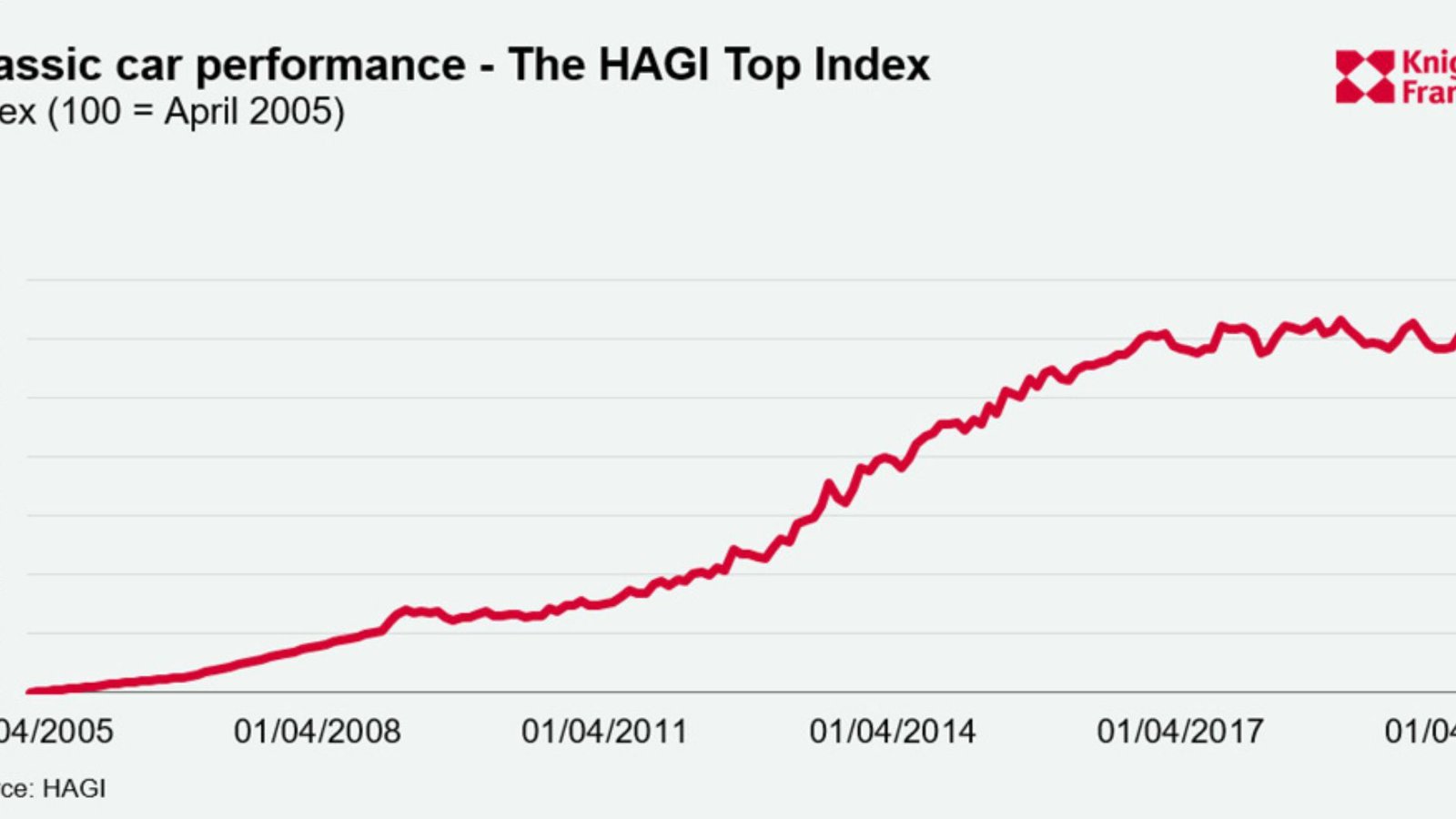
First and foremost, demand is a major driver of market value in the vintage car industry. Over the past decade, there has been a significant increase in interest in rare and unique models. Cars that were produced in limited quantities or have unique features are particularly sought after by collectors. For instance, vehicles like the Ferrari 250 GTO, with only 36 units ever made, have seen their values skyrocket, with some selling for tens of millions of dollars at auction.

This growing demand is partly fueled by the desire of collectors to own a piece of automotive history. As more people enter the market, the competition to acquire these rare models intensifies, driving prices up. Additionally, the increasing number of car shows, auctions, and events dedicated to vintage cars has helped raise awareness and interest, further boosting demand.

The Impact of Historical Significance

Another key factor influencing market value trends in vintage cars is historical significance. Cars associated with important events, famous personalities, or significant milestones in automotive history tend to command higher prices. For example, vehicles that were owned by celebrities, raced in famous competitions, or featured in iconic films often become highly valuable.

Moreover, cars that represent a significant technological advancement or design innovation are also prized by collectors. These vehicles are seen as milestones in the evolution of the automotive industry, making them highly desirable. As a result, cars with rich histories or that played a pivotal role in shaping the industry often see their values appreciate over time.

Popularity of Specific Eras

The popularity of specific eras in automotive history can also influence the market value of vintage cars. For instance, the muscle cars of the 1960s and 1970s have seen a resurgence in popularity, leading to increased demand and higher prices. Similarly, classic cars from the 1950s, with their iconic designs and cultural significance, continue to be highly sought after.

The nostalgic appeal of these eras plays a significant role in driving market trends. As younger generations become interested in vintage cars, they often gravitate towards models from the eras that resonate with them culturally or aesthetically. This generational shift in interest can lead to fluctuations in market value, with certain periods becoming more valuable as their popularity rises.

Restoration and Originality

When it comes to vintage cars, restoration and originality are critical factors that can greatly affect market value. Cars that have been carefully restored to their original condition or have retained most of their original parts and features are often more valuable than those that have been heavily modified or poorly restored.

Originality is particularly prized in the vintage car market. Cars with matching numbers (where the engine, transmission, and other key components are original and match the factory records) tend to fetch higher prices. On the other hand, cars that have undergone extensive modifications or have non-original parts may see their value decrease, as they are no longer seen as authentic representations of their era.

Economic Factors and Market Sentiment

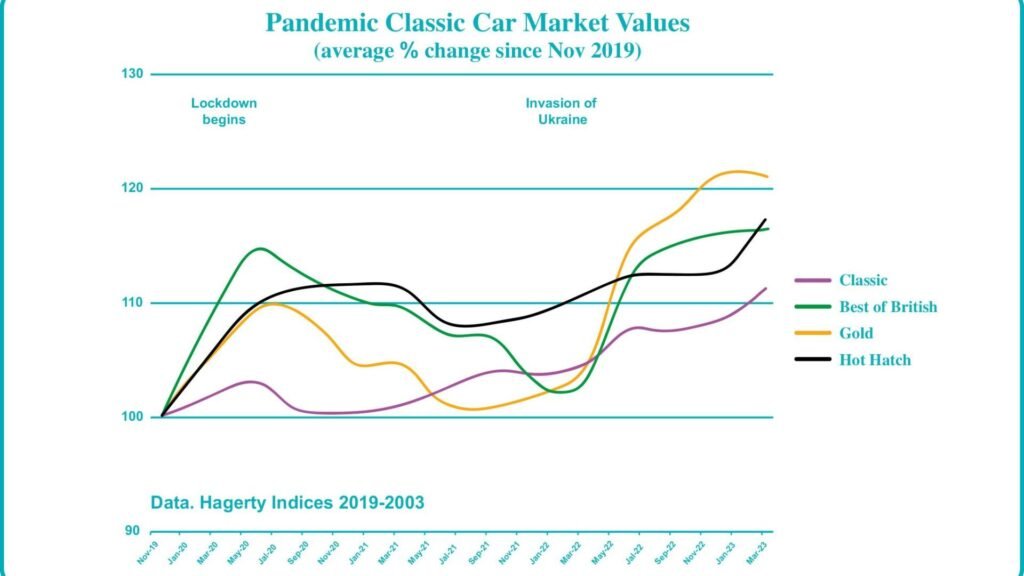
Additionally, economic factors and market sentiment play a significant role in determining the market value trends in vintage cars. During periods of economic growth, collectors and investors are more likely to spend on luxury items like vintage cars, driving up prices. Conversely, during economic downturns, the market may see a slowdown, with prices stabilizing or even decreasing as buyers become more cautious.

Market sentiment can also be influenced by trends in other investment sectors. For example, when traditional investments like stocks or real estate are underperforming, some investors may turn to alternative assets like vintage cars, leading to an increase in demand and higher prices. Conversely, if other investment opportunities become more attractive, the vintage car market may see a decrease in activity.

Global Market Influences

Finally, global market influences have a significant impact on vintage car values. As the vintage car market becomes more globalized, factors such as currency exchange rates, international demand, and global economic conditions can all influence prices. For instance, a strong U.S. dollar might make American vintage cars more expensive for foreign buyers, potentially slowing demand from international markets.

Furthermore, the emergence of online auctions and international shipping has made it easier for collectors to buy and sell vintage cars across borders. This increased accessibility has helped drive global demand, contributing to the rising values of sought-after models worldwide.

Conclusion

In conclusion, the market value trends in vintage cars are influenced by a complex interplay of factors, including demand, historical significance, popularity of specific eras, restoration and originality, economic conditions, and global market influences. For collectors and enthusiasts, understanding these trends is key to making informed decisions in the vintage car market. Whether you’re looking to invest in a classic vehicle or simply want to appreciate the beauty and history of these timeless machines, staying informed about market trends will help you navigate this exciting and ever-evolving industry.

Luxury Electric Vehicles on the Market
Best Luxury Electric Vehicles on the Market

If you’re looking to combine luxury with sustainability, you’ll want to explore the best luxury electric vehicles on the market. These high-end electric cars offer not just environmental benefits but also top-notch comfort, performance, and advanced technology. In this article, we’ll discuss some of the most popular luxury electric vehicles and why they stand out. Let’s take a closer look at what makes these vehicles a great choice for those who want the best of both worlds.

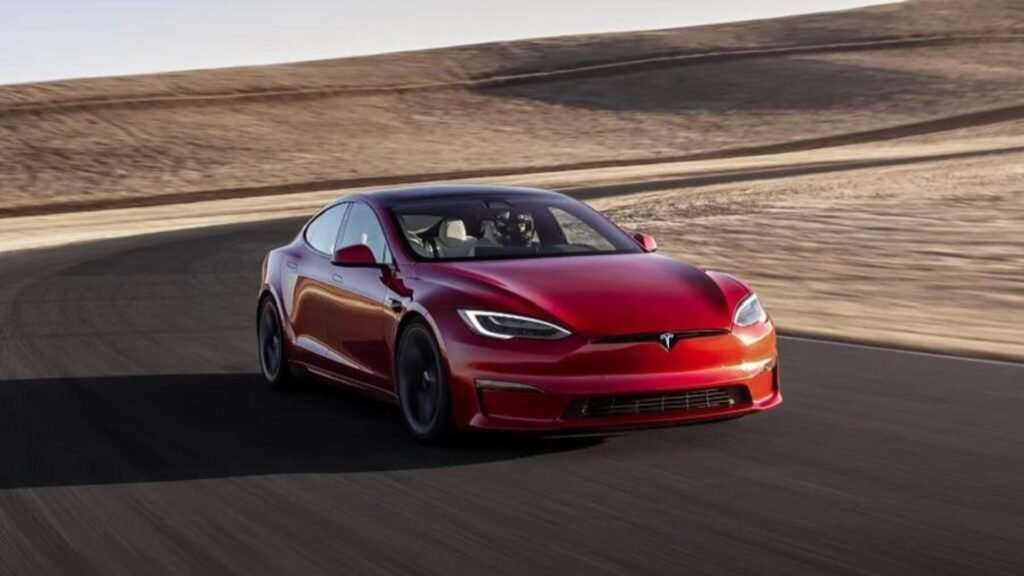
1. Tesla Model S Plaid

The Tesla Model S Plaid is often the first vehicle that comes to mind when thinking about luxury electric vehicles on the market. It is known for its remarkable speed and long-range capabilities. The Model S Plaid can go from 0 to 60 mph in less than two seconds, making it one of the fastest cars available today. Moreover, it offers a driving range of over 390 miles on a single charge. Inside, the Model S Plaid features a minimalist design with a large touchscreen that controls most of the car’s functions, giving it a futuristic feel.

Luxury Electric Vehicles on the Market

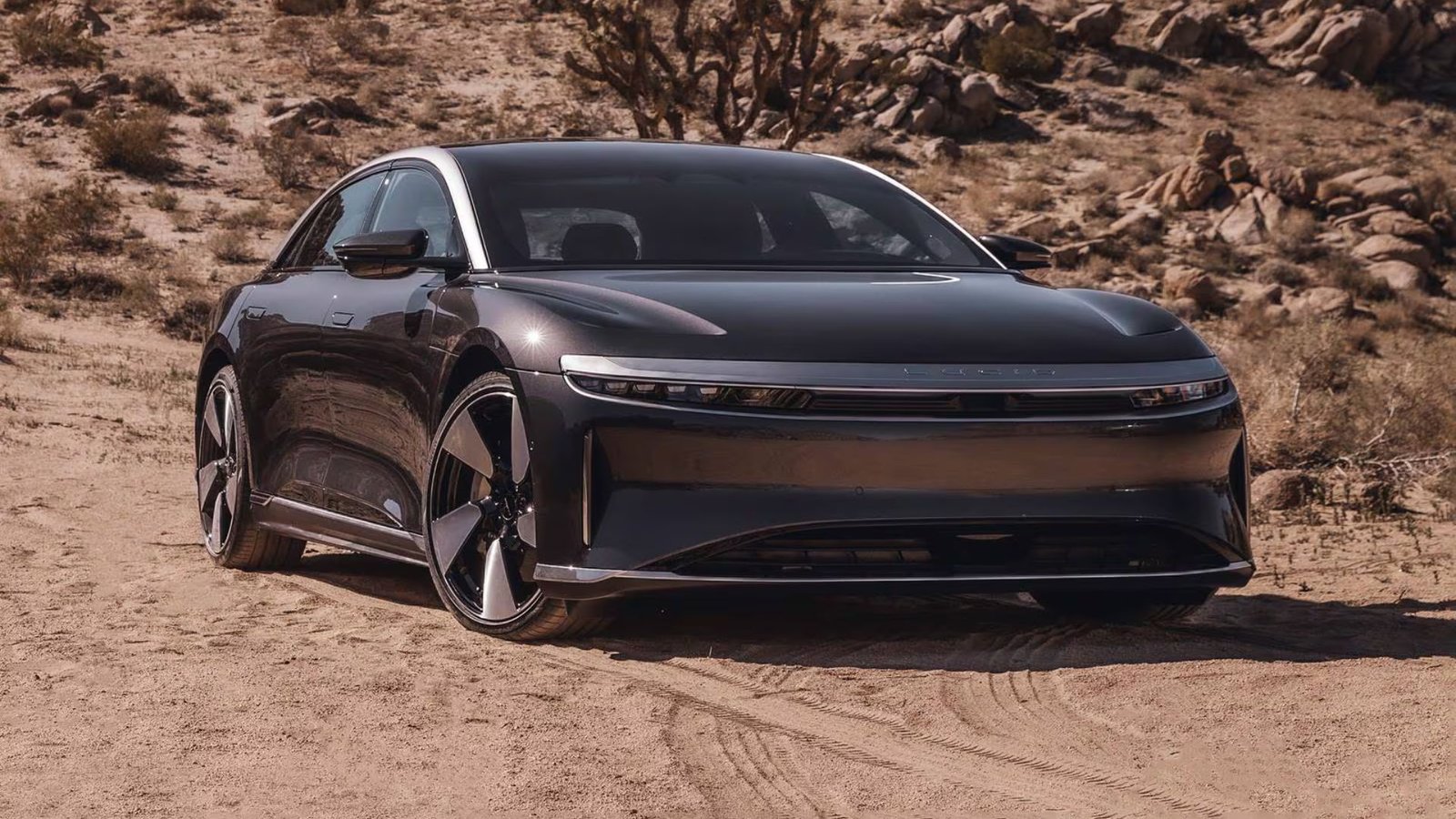
2. Lucid Air

The Lucid Air is another top contender among luxury electric vehicles on the market. This car stands out due to its spacious and luxurious interior. It offers a range of up to 520 miles, which is currently one of the longest ranges available for electric vehicles. The Lucid Air’s interior is crafted with premium materials, including leather seats and wood accents. It also boasts an advanced driver-assistance system that enhances both safety and convenience during your drive.

3. Porsche Taycan

If you’re looking for a luxury electric vehicle with sporty performance, the Porsche Taycan is an excellent choice. It offers dynamic handling and quick acceleration, staying true to Porsche’s reputation for performance. The Taycan comes with a range of up to 300 miles and features an elegant interior that includes high-quality materials and the latest in-car technology. Additionally, the Porsche Taycan supports ultra-fast charging, allowing you to get back on the road quickly.

4. Audi e-tron GT

The Audi e-tron GT is a sleek and stylish option for those seeking luxury electric vehicles on the market. It combines Audi’s renowned quality with the benefits of electric power. The e-Tron GT offers a range of around 238 miles, making it suitable for daily commutes and longer trips. Inside, the car is equipped with comfortable seating, a high-tech dashboard, and advanced infotainment systems. Audi’s commitment to craftsmanship and detail is evident throughout this vehicle.

5. BMW iX

BMW’s iX brings luxury and electric performance together in an SUV package. This vehicle is perfect for those who need a bit more space but don’t want to compromise on luxury. The BMW iX offers a range of up to 324 miles and comes with BMW’s latest technology, including a large curved display and advanced driver-assistance features. The interior is designed to provide maximum comfort with high-quality materials and a spacious cabin.

6. Mercedes-Benz EQS

The Mercedes-Benz EQS is the flagship luxury electric sedan from Mercedes, and it certainly lives up to the brand’s reputation. It offers a range of up to 350 miles and features a stunning interior that includes a massive 56-inch hyperscreen that spans the entire dashboard. The EQS provides a smooth and quiet ride, making it a great choice for those who value comfort and elegance.

Why Choose Luxury Electric Vehicles?

There are many reasons to consider luxury electric vehicles on the market. First, they offer environmental benefits by producing zero emissions, which helps reduce your carbon footprint. Moreover, luxury electric vehicles come equipped with the latest technology, providing a more connected and enjoyable driving experience. They also offer performance benefits, such as instant torque and impressive acceleration, making them both fun and practical to drive.

Conclusion

Luxury electric vehicles on the market today offer a perfect blend of elegance, performance, and sustainability. Whether you’re interested in the lightning-fast Tesla Model S Plaid, the long-range Lucid Air, or the sporty Porsche Taycan, there’s a luxury electric vehicle to fit your needs and preferences. As more options become available, the future of luxury driving looks greener and more exciting than ever.

Best Vintage European Cars to Collect

When it comes to classic automobiles, vintage European cars are often celebrated for their elegance, performance, and historical significance. For car enthusiasts and collectors, these cars offer a unique blend of style and heritage that makes them highly desirable. In this article, we’ll explore the best vintage European cars to collect, highlighting iconic models that continue to capture the imagination of collectors around the world. Whether you’re a seasoned collector or new to the hobby, these classic cars represent some of the finest examples of European automotive engineering.

Why European Cars Are Highly Sought After

European cars have a long-standing reputation for their superior craftsmanship, advanced engineering, and sophisticated design. From the sleek lines of Italian sports cars to the understated elegance of British models, vintage European cars are known for their attention to detail and driving experience. Collectors are drawn to these cars not only for their aesthetic appeal but also for their historical value and the stories they carry.

Top Best Vintage European Cars to Collect

Let’s take a closer look at some of the best vintage European cars to collect, each renowned for its unique features and lasting appeal.

1. 1960 Ferrari 250 GT SWB

The 1960 Ferrari 250 GT SWB, or Short Wheelbase, is one of the best vintage European cars ever made. Known for its striking design and impressive performance, the 250 GT SWB features a V12 engine that delivers both speed and refinement. Its sleek body, designed by Pininfarina, and its success in racing competitions make it a prized addition to any collection. This model is celebrated not only for its beauty but also for its role in establishing Ferrari’s reputation in the automotive world.

2. 1965 Jaguar E-Type

Another gem in the realm of vintage European cars is the 1965 Jaguar E-Type. Often considered one of the most beautiful cars ever made, the E-Type boasts a design that combines aerodynamic efficiency with classic British style. With its powerful 4.2-liter inline-six engine, the E-Type offers a thrilling driving experience. Its combination of elegance and performance makes it a standout choice for collectors seeking both style and substance.

3. 1955 Mercedes-Benz 300SL Gullwing

The 1955 Mercedes-Benz 300SL Gullwing is a legend among vintage European cars. Its distinctive gullwing doors and powerful inline-six engine set it apart from other models of its time. Known for its advanced engineering and racing heritage, the 300SL was the fastest production car of its era. Its innovative design and technological advancements make it a highly sought-after model for collectors and enthusiasts alike.

4. 1971 Porsche 911 E

The 1971 Porsche 911 E is a standout in the lineup of vintage European cars. This model is part of the iconic 911 series, known for its distinctive design and exceptional handling. The 911 E features a 2.2-liter flat-six engine that delivers a balance of performance and driving pleasure. Its reputation for reliability and driving dynamics makes it a popular choice for collectors looking for a classic sports car with everyday usability.

5. 1969 Aston Martin DB6

The 1969 Aston Martin DB6 is another excellent example of the best vintage European cars to collect. Renowned for its refined design and luxurious interior, the DB6 represents the pinnacle of British sports car craftsmanship. With its 4.0-liter inline-six engine and elegant styling, the DB6 offers both performance and sophistication. Its status as a favorite among car enthusiasts and its role in popular culture contribute to its appeal as a collector’s item.

Tips for Collecting Vintage European Cars

Research and Know Your Models

Before adding a vintage European car to your collection, it’s essential to conduct thorough research. Understand the specific model’s history, market value, and any common issues. Knowledge about the car’s provenance and condition can help you make informed decisions and avoid potential pitfalls.

Verify Authenticity

When buying vintage European cars, authenticity is crucial. Ensure that the car you’re considering is genuine and not a replica. Check the vehicle identification number (VIN), original documentation, and any modifications that might affect its value.

Consider Restoration Costs

Many vintage European cars may require restoration work to bring them back to their original condition. Factor in the costs of restoration and maintenance when evaluating a potential purchase. Some models may require more extensive work, which can impact your overall investment.

Network with Experts

Engage with vintage car clubs and experts who specialize in European classics. Networking with other collectors and professionals can provide valuable insights and help you find reputable sources for purchasing and maintaining your cars.

Conclusion

The best vintage European cars offer a captivating blend of design, performance, and history. From the Ferrari 250 GT SWB to the Jaguar E-Type, these classic models are more than just vehicles—they are symbols of automotive excellence. Collecting vintage European cars is not only about owning a piece of history but also about appreciating the artistry and innovation that defined an era. Whether you’re a longtime collector or just starting, these iconic cars provide a timeless appeal that continues to inspire and delight.

Electric Vehicle Road Trips
Tips for Electric Vehicle Road Trips

Embarking on electric vehicle road trips can be both exciting and rewarding. If you’re new to road-tripping with an electric vehicle (EV), you might have questions about how to plan and manage your journey. Let’s explore how to make the most of your EV road trip experience.

Plan Your Route Carefully

When planning electric vehicle road trips, careful route planning is crucial. Unlike traditional vehicles, EVs rely on charging stations, which means you need to plot your course around available charging points. Use EV-specific route planning tools and apps to map out your trip. These tools not only show you the locations of charging stations but also provide real-time availability and station details.

Electric Vehicle Road Trips

Use EV-Friendly Apps

Modern technology makes electric vehicle road trips easier than ever. Several apps are designed to assist with finding charging stations, planning routes, and even estimating charging times. Popular apps include PlugShare, ChargePoint, and ABRP (A Better Route Planner). These apps help you find the nearest charging stations and provide information about their types and availability.

Charge Before You Leave

Before you start your road trip, ensure your EV is fully charged. A full battery gives you the most flexibility and reduces the chances of needing an unscheduled stop. Also, consider charging to 100% overnight before long trips to maximize your driving range from the start.

Plan for Charging Time

Electric vehicle road trips involve planning for charging stops. Charging an EV takes longer than filling up a gas tank, so be prepared for breaks. Depending on your EV and the type of charger, you may need to spend 30 minutes to an hour at each charging station. Use this time to rest, grab a meal, or explore your surroundings.

Check Charging Station Availability

Charging station availability can vary by location. Some areas may have multiple stations, while others might have fewer options. Before starting your journey, check the availability of charging stations along your route. This will help you avoid any potential issues and ensure you have access to charging when needed.

Consider Charging Network Memberships

Many charging networks offer memberships that provide benefits like discounted rates or faster charging speeds. Consider signing up for these memberships if you frequently use specific networks. Memberships can make your electric vehicle road trips more convenient and cost-effective.

Keep a Charging Kit Handy

It’s a good idea to keep a charging kit in your vehicle. This kit should include any necessary adapters and cables for different types of charging stations. Having these items on hand can prevent delays if you encounter a charging station that uses a different connector type.

Monitor Your Battery Usage

During your road trip, keep an eye on your battery usage and remaining range. Many EVs come equipped with range management features that help you monitor how much distance you can travel before needing to charge. Regularly checking your battery status ensures you don’t get caught off guard by a low charge.

Be Prepared for Unplanned Stops

Despite careful planning, unplanned stops can occur. Charging stations may be out of service, or you might need to adjust your route. Stay flexible and have a backup plan in case your primary charging station isn’t available. Knowing alternative routes and charging options can help you manage unexpected situations.

Optimize Driving Efficiency

To get the most out of your electric vehicle road trips, drive efficiently. Use features like regenerative braking to extend your range and maintain a steady speed. Avoid sudden accelerations and high speeds, as these can drain your battery more quickly.

Stay Informed About EV Technology

EV technology is constantly evolving. New charging networks and improved battery technologies can enhance your road trip experience. Stay informed about the latest advancements in EV technology and charging infrastructure to make your journeys smoother and more enjoyable.

Pack Essential Items

When traveling in an electric vehicle, packing essential items can make your trip more comfortable. Bring items like snacks, drinks, and entertainment for longer charging stops. Having these supplies on hand will help you make the most of your breaks and keep you energized throughout your trip.

Check for Roadside Assistance

Conclusion

Planning and executing electric vehicle road trips requires some extra preparation, but it can be a rewarding experience. By carefully planning your route, using helpful apps, and managing your charging needs, you can ensure a smooth and enjoyable trip. Embrace the adventure and make the most of your electric vehicle road trip!

How to Spot Fake Vintage Cars

Owning a vintage car can be a dream come true for many car enthusiasts. However, the process of purchasing a classic vehicle can be tricky, especially with the rise of counterfeit models on the market. Spotting fake vintage cars requires a keen eye and some knowledge about what makes a car truly authentic. In this guide, we’ll walk you through the essential tips to help you spot fake vintage cars and make sure you’re buying the real deal.

Check the Vehicle Identification Number (VIN)

One of the first steps in identifying fake vintage cars is checking the Vehicle Identification Number, or VIN. The VIN is like the car’s fingerprint; it is unique to each vehicle and contains crucial information about the car’s make, model, year, and place of manufacture.

To start, locate the VIN on the car, which is usually found on the dashboard, driver’s side door, or under the hood. Once you have the VIN, cross-check it with the car’s documents, such as the title and registration. Ensure that the numbers match and are consistent with the car’s specifications. Additionally, you can use online databases to verify the VIN and get a detailed report on the car’s history. This step helps you spot discrepancies that might indicate a fake vintage car.

Inspect the Car’s Body and Frame

When it comes to spotting fake vintage cars, a thorough inspection of the car’s body and frame is essential. Look for signs of tampering, such as mismatched paint, uneven panels, or weld marks. These could indicate that the car has been modified or pieced together from different vehicles.

Moreover, check for rust and damage that seem inconsistent with the car’s age. While some wear and tear is expected on an older vehicle, extensive rust or structural damage could suggest the car has been in an accident or is not as old as claimed. A professional inspection by a classic car expert can also help uncover hidden issues and provide a more accurate assessment of the car’s condition.

Examine the Interior Details

The interior of a vintage car can tell you a lot about its authenticity. Fake vintage cars often have interiors that do not match the original factory specifications. Pay close attention to the upholstery, dashboard, and controls. Original interiors usually have a certain level of wear that aligns with the car’s age, whereas new or mismatched interiors may indicate that parts have been replaced.

Check for signs of aging, such as faded fabrics, cracked leather, and worn controls. Be wary of cars that look too pristine, as this could be a red flag for a fake. Also, compare the interior details with photos and descriptions of authentic models from the same year and make. This comparison will help you identify any inconsistencies that could suggest the car is not genuine.

Verify the Engine and Mechanical Parts

The engine and mechanical parts are also key areas to inspect when trying to spot fake vintage cars. An authentic vintage car will have an engine that matches the original specifications for that make and model. Be sure to check the engine number and compare it with the VIN and other documentation to ensure they align.

Additionally, examine the condition of the engine and other mechanical components. Look for signs of wear and tear that are consistent with the car’s age. Newer parts or components that don’t match the car’s era could be a sign that the car has been modified or restored with non-original parts. If you’re not mechanically inclined, consider hiring a professional mechanic who specializes in vintage cars to conduct a thorough inspection.

Review the Car’s Documentation

Proper documentation is crucial when buying a vintage car, and it can help you spot fake vintage cars. Original paperwork, such as the bill of sale, title, and service records, can provide valuable information about the car’s history and authenticity.

When reviewing the documentation, look for inconsistencies or missing information that might raise red flags. For example, if the car is advertised as a one-owner vehicle but has multiple names on the title, this could indicate a problem. Additionally, verify the authenticity of the documents themselves. Fake vintage cars are often accompanied by forged or altered paperwork, so be sure to scrutinize everything carefully.

Seek Expert Advice

If you’re unsure about a vintage car’s authenticity, seeking expert advice is always a good idea. Classic car appraisers, mechanics, and enthusiasts can provide invaluable insights and help you avoid costly mistakes. They have the experience and knowledge to identify fake vintage cars and can often spot things that the average buyer might miss.

Joining a classic car club or online forum can also be beneficial. These communities are full of passionate enthusiasts who are often happy to share their knowledge and help others. You can learn a lot from their experiences and get recommendations for reputable sellers and dealers.

Conclusion

Buying a vintage car is a significant investment, and the last thing you want is to end up with a fake. By following these tips on how to spot fake vintage cars, you can protect yourself from scams and ensure that you’re purchasing an authentic classic vehicle. Remember to check the VIN, inspect the body and frame, examine the interior, verify the engine, review the documentation, and seek expert advice. With careful research and attention to detail, you can confidently navigate the world of vintage cars and find the perfect addition to your collection. Happy car hunting!

Best Vintage Muscle Cars to Own

There’s something undeniably thrilling about vintage muscle cars. These powerful machines not only offer incredible performance but also come with a rich history and undeniable style. For car enthusiasts, owning a vintage muscle car is like owning a piece of automotive history. However, with so many options out there, it can be tough to decide which one is right for you. In this guide, we’ll explore some of the best vintage muscle cars to own, discussing what makes each one special and why they deserve a place in your garage.

1967 Ford Mustang Shelby GT500

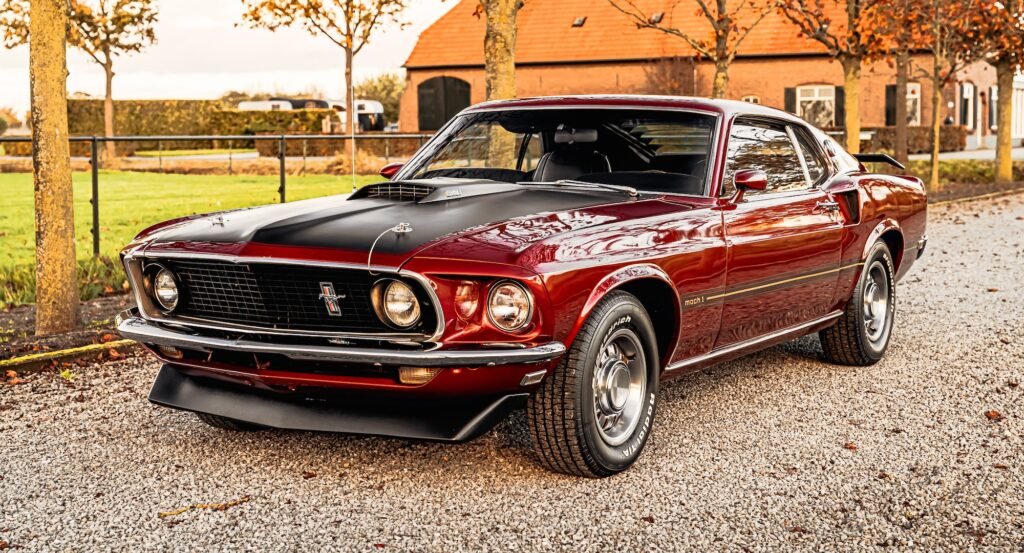
When talking about the best vintage muscle cars, the 1967 Ford Mustang Shelby GT500 is often at the top of the list. This iconic muscle car, made famous by its appearances in movies and TV shows, is loved for its aggressive styling and powerful performance. Under the hood, it features a 428 cubic inch V8 engine that produces around 355 horsepower, making it one of the most powerful Mustangs of its time.

Moreover, the Shelby GT500’s reputation for speed and style makes it a favorite among collectors and enthusiasts alike. The car’s muscular design, complete with racing stripes and a distinctive front grille, exudes a sense of power and dominance. If you’re looking for a vintage muscle car that combines looks with performance, the 1967 Shelby GT500 is a fantastic choice.

1970 Chevrolet Chevelle SS 454

Next on our list of the best vintage muscle cars is the 1970 Chevrolet Chevelle SS 454. Known for its impressive power and striking design, the Chevelle SS 454 is a true American classic. This beast of a car is equipped with a 454 cubic inch V8 engine, which could produce up to 450 horsepower, making it one of the most powerful muscle cars ever produced.

The Chevelle SS 454 also features a bold and aggressive appearance, with its wide stance, dual headlights, and sleek body lines. It’s a car that commands attention wherever it goes. For those who appreciate raw power and classic American muscle, the 1970 Chevrolet Chevelle SS 454 is an excellent choice. It’s no wonder this car remains a popular pick among collectors and enthusiasts.

1969 Dodge Charger R/T

Another must-have when considering the best vintage muscle cars is the 1969 Dodge Charger R/T. This car became an instant classic thanks to its starring role in the television series “The Dukes of Hazzard.” The Charger R/T is known for its bold design, with a long, sleek body and iconic hidden headlights.

Under the hood, the 1969 Dodge Charger R/T typically features a 440 cubic inch V8 engine, producing around 375 horsepower. Some models even came with the legendary 426 Hemi engine, which pushed the car’s performance to new heights. With its powerful engine and unmistakable style, the Dodge Charger R/T is a fantastic addition to any vintage muscle car collection.

1970 Plymouth Barracuda

The 1970 Plymouth Barracuda, or ‘Cuda as it is often called, is another contender for the best vintage muscle cars to own. This car is particularly famous for its sleek, aggressive design and powerful performance. The 1970 model year saw the introduction of the ‘Cuda with a 426 Hemi engine, which made it one of the fastest muscle cars of its time.

In addition to its performance, the Plymouth Barracuda is also known for its unique and stylish appearance. With its wide stance, sporty design, and distinctive grille, the ‘Cuda stands out in any crowd. If you’re a fan of Mopar muscle, the 1970 Plymouth Barracuda is definitely a car to consider.

1969 Pontiac GTO “The Judge”

Rounding out our list of the best vintage muscle cars is the 1969 Pontiac GTO “The Judge”. Often referred to as the “original muscle car,” the GTO helped define the muscle car era of the 1960s and 1970s. The 1969 model, especially the “Judge” variant, is a highly sought-after vehicle among collectors.

The Judge came with a Ram Air III 400 cubic inch V8 engine that produced 366 horsepower, with an optional Ram Air IV engine that bumped the power up even further. What makes the GTO “The Judge” particularly special is its bold styling, with unique graphics, a rear spoiler, and bright colors that make it instantly recognizable. For those who want a muscle car with both performance and personality, the 1969 Pontiac GTO “The Judge” is a top pick.

Conclusion

Owning a vintage muscle car is more than just having a mode of transportation; it’s about celebrating a piece of automotive history. The best vintage muscle cars, like the Ford Mustang Shelby GT500, Chevrolet Chevelle SS 454, Dodge Charger R/T, Plymouth Barracuda, and Pontiac GTO “The Judge,” each offer something unique, from raw power to distinctive styling. Whether you’re a seasoned collector or just starting your journey into the world of classic cars, these vintage muscle cars are worth considering. Take your time, do your research, and soon, you could be behind the wheel of your dream car!