

AlternativeAutomobile29
Search for:
Photographing Vintage Cars
Tips for Photographing Vintage Cars

Photographing vintage cars is an art that requires a blend of creativity, attention to detail, and a passion for classic automobiles. Capturing the essence of these timeless vehicles can be incredibly rewarding, but it also comes with its own set of challenges. In this article, we’ll share some practical tips for photographing vintage cars to help you get stunning and memorable shots. Whether you’re a seasoned photographer or just starting, these tips will guide you in taking great photos of classic cars.

Find the Right Location

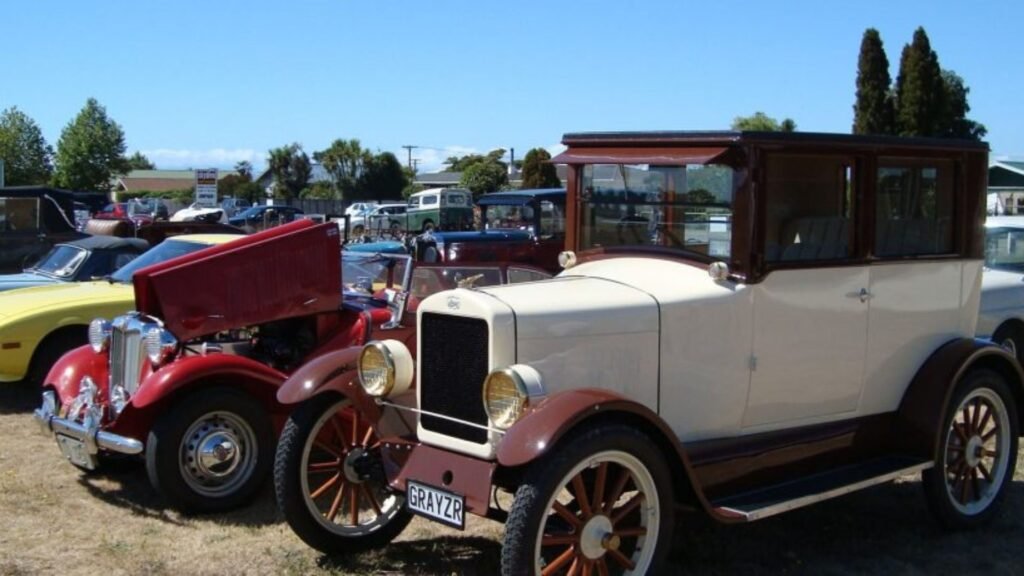
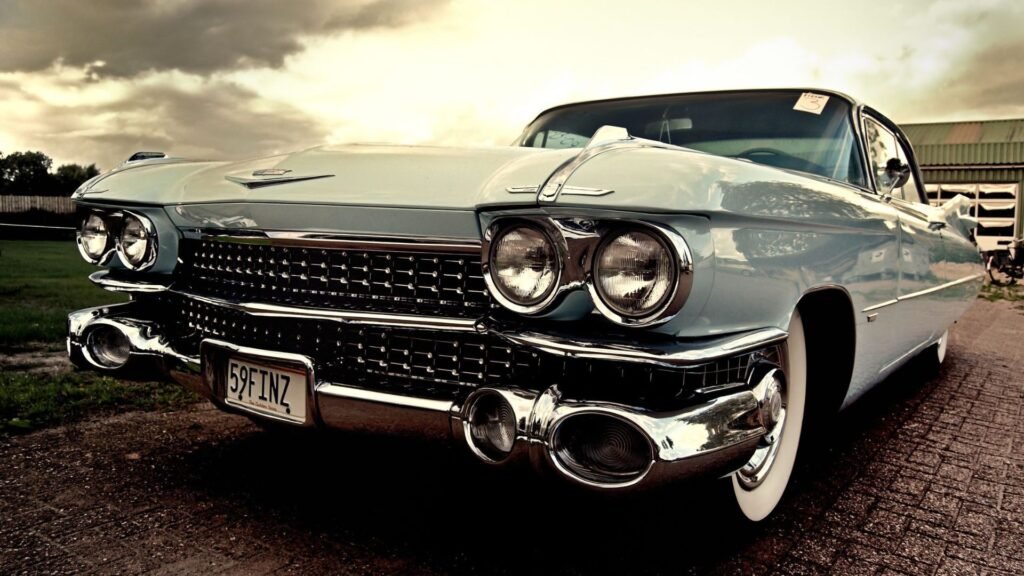
One of the most important tips for photographing vintage cars is to choose the right location. The background plays a significant role in highlighting the beauty of the car. Look for locations that complement the vintage style, such as old buildings, rustic barns, or open fields. Avoid busy or cluttered backgrounds, as they can distract from the car. Instead, opt for simple, clean settings that allow the car to stand out. Urban settings with historic architecture can also work well, providing a contrast that makes the vintage car pop.
Photographing Vintage Cars

Use Natural Light

Lighting is crucial when photographing vintage cars. Natural light often provides the best results, as it brings out the car’s true colors and details. Early morning or late afternoon light, often referred to as the “golden hour,” is ideal for shooting. The soft, warm light during these times of day can create a beautiful, nostalgic feel. However, if you are shooting in the bright midday sun, be mindful of harsh shadows. In such cases, consider using a diffuser or finding a shaded area to soften the light.

Focus on the Details

Vintage cars are known for their unique and intricate details, from the curves of the body to the design of the headlights and grille. When photographing vintage cars, take the time to focus on these details. Get close-up shots of the badges, emblems, and interior features. Highlighting these elements can capture the craftsmanship and character that make vintage cars so special. Use a macro lens if possible, as it allows you to capture the fine details with clarity and precision.

Choose the Right Angles

The angle at which you photograph a vintage car can significantly affect the final image. Experiment with different angles to find the most flattering view of the car. Low angles can make the car look more powerful and imposing, while high angles can offer a more artistic perspective. Side profiles and three-quarter views are also popular choices, as they showcase the car’s lines and design. Don’t be afraid to move around the car and try various angles until you find the one that best captures its beauty.

Pay Attention to Reflections

Reflections can be both a challenge and an opportunity when photographing vintage cars. The shiny surfaces of classic cars can easily pick up reflections of nearby objects, which can be distracting. To minimize unwanted reflections, be mindful of your surroundings and the position of the sun. Sometimes, changing your shooting angle slightly can eliminate reflections. On the other hand, reflections can be used creatively to add interest to your photos, such as capturing the sky or nearby buildings in the car’s polished surface.

Include the Car’s Interior

When photographing vintage cars, don’t forget about the interior. The inside of a classic car often features beautiful upholstery, unique dashboard designs, and vintage accessories that tell a story. Open the doors or roll down the windows to get shots of the interior from different angles. Use natural light to bring out the textures and colors of the seats and dashboard. Including interior shots adds depth to your photo series and gives viewers a more complete picture of the car.

Capture the Car in Motion

While static shots are essential, capturing a vintage car in motion can bring a sense of excitement and energy to your photographs. Use a panning technique, where you move the camera along with the moving car, to create a dynamic effect with a blurred background and a sharp car. This technique takes practice, but it can result in striking images that convey the speed and power of the vintage car. Make sure to use a slightly slower shutter speed to achieve the desired motion blur.

Edit with a Light Touch

Editing is an important part of the photography process, but when it comes to photographing vintage cars, it’s best to use a light touch. Basic adjustments to exposure, contrast, and color balance can enhance the photo, but avoid over-editing. Vintage cars have a timeless appeal that can be lost with excessive retouching. Aim to keep the images looking natural and true to the car’s character. Editing should enhance the photo while preserving the authenticity of the vintage car.

Use Props and Accessories

To add a sense of story or period authenticity to your photos, consider using props and accessories. Items like vintage suitcases, classic driving gloves, or period-correct signs can complement the car and create a nostalgic atmosphere. However, use props sparingly to avoid cluttering the image. The goal is to enhance the photograph without overshadowing the car itself. Well-chosen props can provide context and make your vintage car photography more engaging.

Work with the Car’s Owner

If you’re photographing a vintage car that isn’t yours, working with the car’s owner can be incredibly beneficial. They can provide insights into the car’s history and features, which can inspire your shots. The owner may also have ideas for locations or poses that best showcase their car. Communicating and collaborating with the owner can lead to a more successful photo shoot and photos that truly capture the essence of the vintage car.

Conclusion

Photographing vintage cars is a rewarding experience that allows you to capture the beauty and nostalgia of classic automobiles. By finding the right location, using natural light, focusing on details, and experimenting with angles, you can create stunning photographs that showcase the charm of vintage cars. Remember to pay attention to reflections, include interior shots, and consider capturing the car in motion to add variety to your photos. With these tips in mind, you’ll be well on your way to taking fantastic pictures of vintage cars.
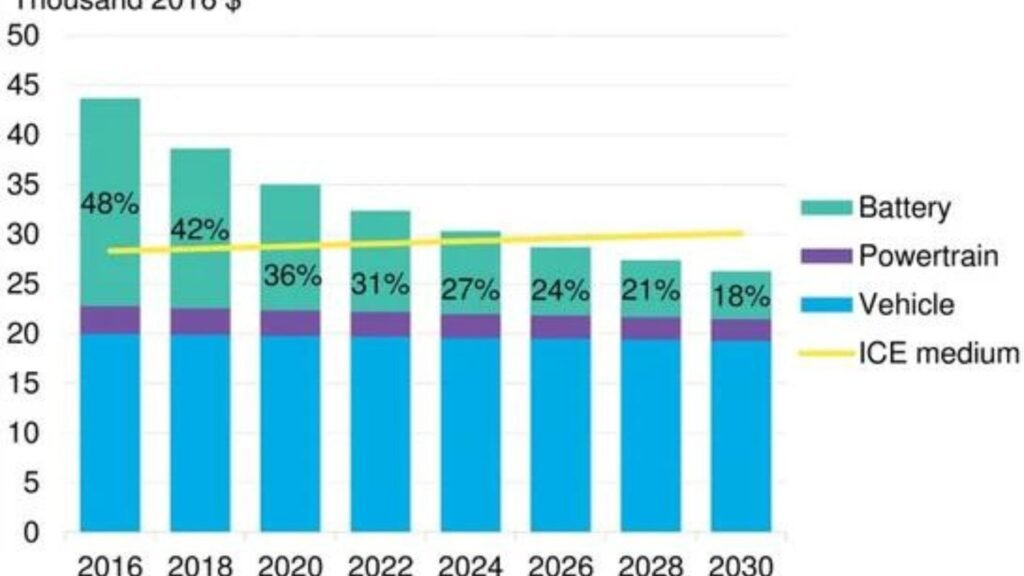
Predictions for Electric Vehicle Pricing

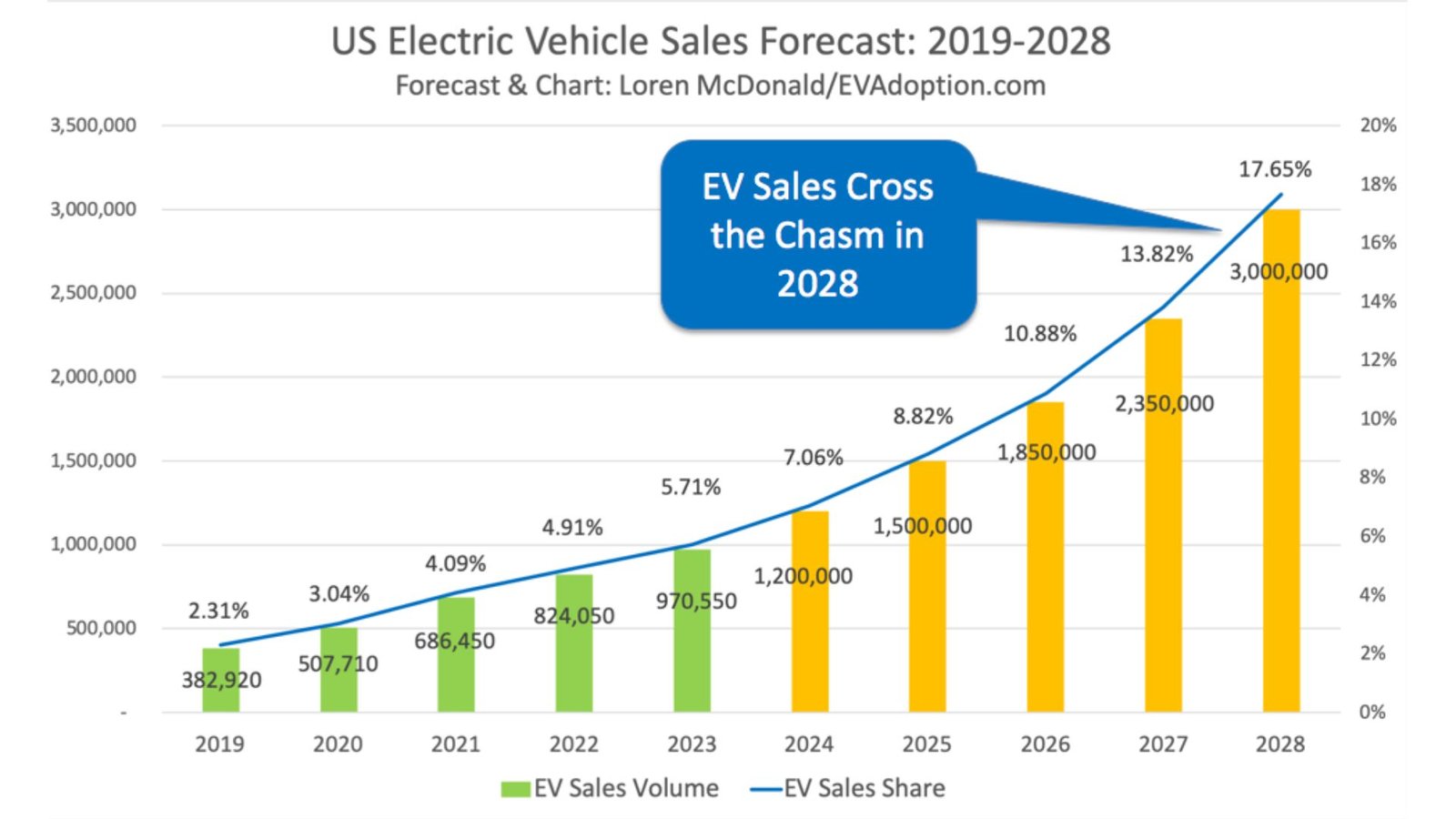
Electric vehicles (EVs) have come a long way since their inception, and pricing is one of the key factors influencing their adoption. As technology advances and market dynamics shift, predictions for electric vehicle pricing are becoming increasingly important. Understanding these trends can help consumers make informed decisions and anticipate future costs.

Predictions for Electric Vehicle Pricing

Current Pricing Trends for Electric Vehicles

The cost of electric vehicles has been decreasing over the past decade. Early models were often priced significantly higher than their gasoline-powered counterparts, primarily due to the high cost of batteries. However, as technology has improved and production scales have increased, prices have started to fall.

Battery Costs Driving Prices Down

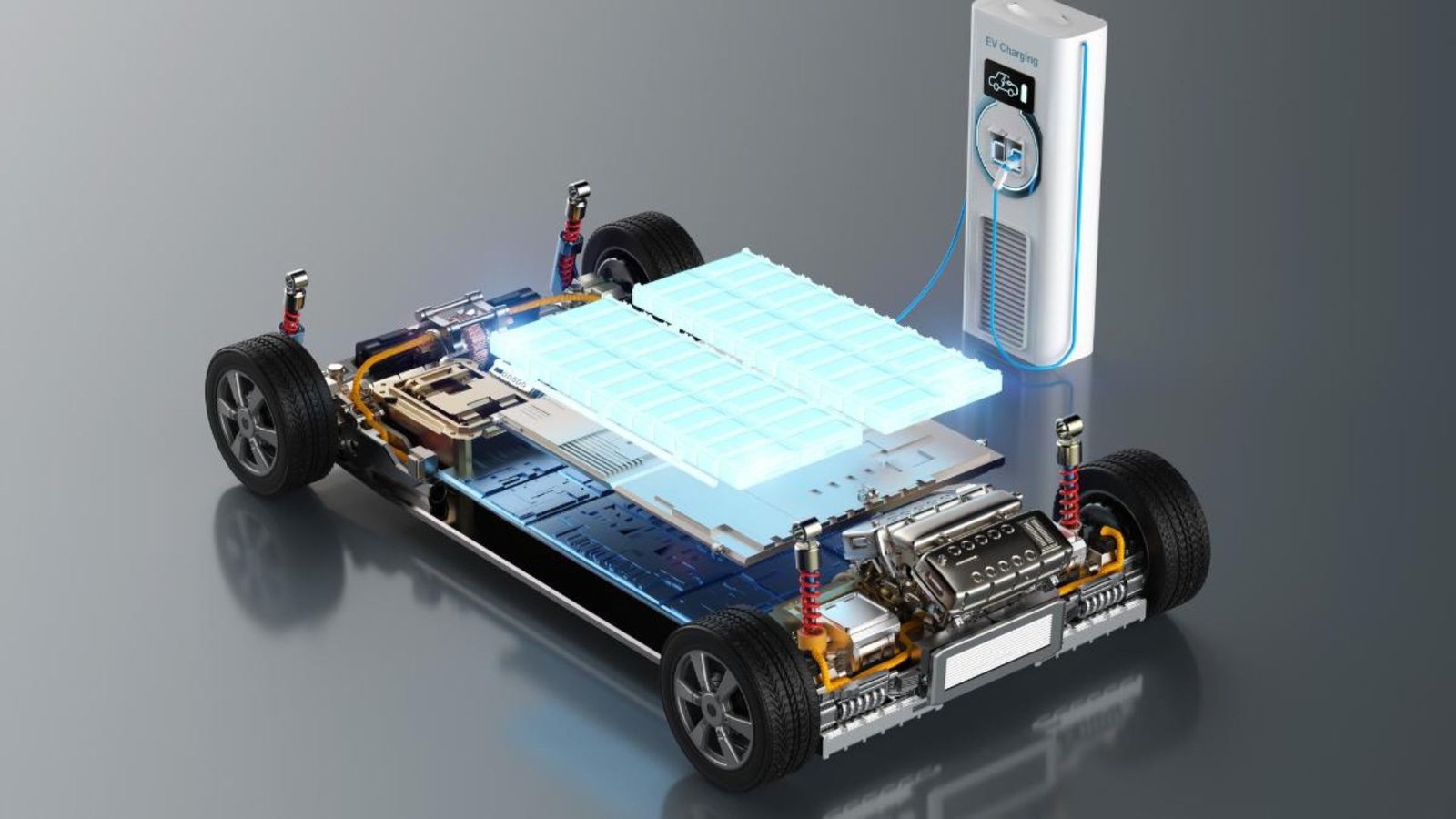
A major factor contributing to lower EV prices is the reduction in battery costs. Batteries account for a significant portion of an electric vehicle’s total cost. Advances in battery technology and increased production efficiency have led to lower prices for battery packs. This trend is expected to continue, making electric vehicles more affordable for a wider range of consumers.

Predictions for Future Electric Vehicle Pricing

Several factors will influence electric vehicle pricing in the coming years. While exact predictions can vary, several key trends are likely to impact EV prices.

Continued Decline in Battery Costs

Experts predict that battery costs will continue to decline as technology advances and production scales up. For example, the cost of lithium-ion batteries has dropped by over 80% in the past decade. As manufacturers develop new technologies, such as solid-state batteries, which promise even greater efficiency and lower costs, the price of EVs is expected to decrease further.

Increased Competition and Market Expansion

As more automakers enter the electric vehicle market, competition will increase. This competition is likely to drive prices down as companies strive to offer more affordable options to attract consumers. Additionally, the expansion of the EV market into different segments, such as budget-friendly models and luxury vehicles, will provide more pricing options and help drive overall costs down.

Government Policies and Incentives

Government policies and incentives play a crucial role in shaping electric vehicle pricing. Many countries offer subsidies, tax credits, and other financial incentives to encourage EV adoption. These incentives can reduce the effective cost of purchasing an electric vehicle, making them more accessible to consumers.

Impact of Supply Chain Issues

While the overall trend is toward lower EV prices, supply chain issues can cause temporary fluctuations. For instance, shortages of critical materials or disruptions in production can lead to higher prices. However, as the industry adapts and supply chains stabilize, these effects are expected to be short-term.

Emerging Trends Affecting Pricing

Several emerging trends will also impact electric vehicle pricing in the future. These trends include advances in technology, shifts in consumer preferences, and changes in regulatory environments.

Technological Innovations

Ongoing research and development in battery technology, vehicle design, and manufacturing processes are likely to lead to cost reductions. For example, advancements in battery recycling and the use of alternative materials could further lower production costs. Innovations in autonomous driving and connected vehicle technologies may also influence pricing, depending on how these features are integrated into EVs.

Growing Demand for Electric Vehicles

As consumer demand for electric vehicles continues to grow, economies of scale will help reduce costs. Higher production volumes can lead to lower per-unit costs, making electric vehicles more affordable. Additionally, as EVs become more mainstream, manufacturers will be able to offer a broader range of options at different price points.

Changing Regulations and Standards

Regulatory changes and environmental standards will also impact electric vehicle pricing. For instance, stricter emissions regulations may increase the cost of traditional vehicles, making electric vehicles a more attractive option. Conversely, changes in government incentives or new regulations could influence the overall cost structure of EVs.

Long-Term Outlook for Electric Vehicle Pricing

In the long term, electric vehicle prices are expected to become more competitive with traditional vehicles. As technology advances, production costs decrease, and the market grows, electric vehicles are likely to become more affordable and accessible to a broader audience.

The Role of Affordable EV Models

The introduction of more affordable electric vehicle models will be crucial in this transition. Automakers are already working on budget-friendly options that aim to bring EVs within reach of more consumers. As these models become available, they will help drive down the average cost of electric vehicles.

The Future of Electric Vehicle Ownership

As the electric vehicle market matures, the cost of ownership is expected to decrease. Lower initial prices, combined with reduced maintenance costs and savings on fuel, will make electric vehicles an increasingly attractive option for consumers.

Conclusion

In conclusion, predictions for electric vehicle pricing suggest a continued decline in costs, driven by advancements in technology, increased competition, and supportive government policies. While short-term fluctuations may occur due to supply chain issues and regulatory changes, the long-term outlook for electric vehicle pricing is positive. As the industry evolves and more affordable models become available, electric vehicles will become an even more attractive choice for consumers seeking a cleaner, more sustainable transportation option.

Eco-Friendly Benefits of Electric Vehicles

Electric vehicles (EVs) are becoming more popular as people become aware of their numerous eco-friendly benefits. Unlike traditional gasoline-powered cars, electric vehicles offer a cleaner, more sustainable way to travel. These benefits go beyond just reducing pollution—they also contribute to better public health, lower carbon footprints, and a more sustainable future for our planet.

Eco-Friendly Benefits of Electric Vehicles

Reducing Air Pollution

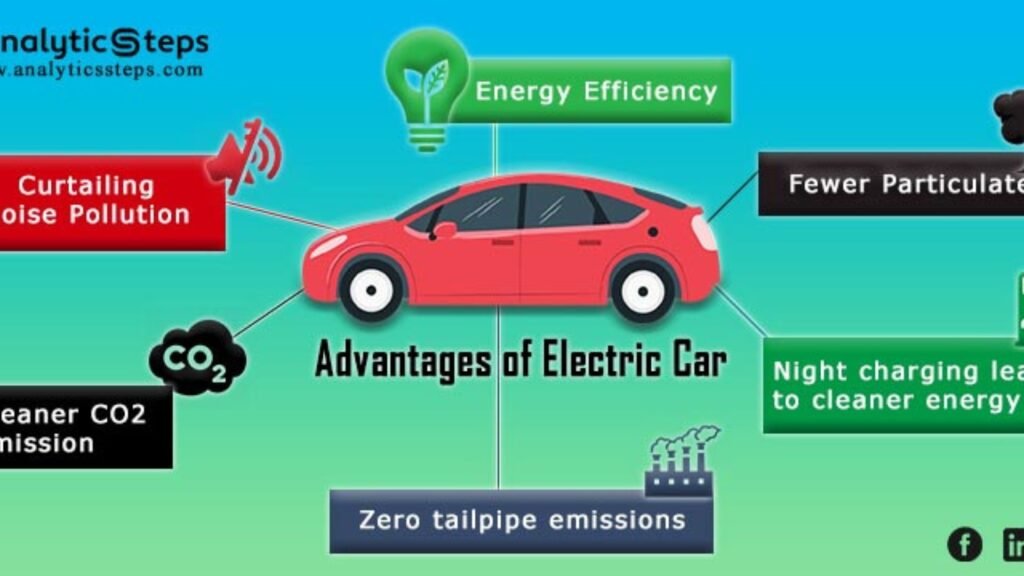
One of the most significant eco-friendly benefits of electric vehicles is their ability to reduce air pollution. Traditional vehicles emit a variety of harmful gases, including carbon monoxide, nitrogen oxides, and particulate matter, which contribute to poor air quality. These pollutants can cause respiratory issues, cardiovascular diseases, and other health problems, especially in urban areas where traffic is dense.

Zero Tailpipe Emissions

Electric vehicles produce zero tailpipe emissions, meaning they don’t release harmful pollutants into the air. By switching to EVs, we can significantly reduce the amount of toxic gases in the atmosphere. This leads to cleaner air, particularly in cities, improving the quality of life for everyone.

Lowering Greenhouse Gas Emissions

Greenhouse gas emissions are a major contributor to climate change, and reducing these emissions is crucial for protecting the environment. Traditional vehicles run on fossil fuels like gasoline and diesel, which release large amounts of carbon dioxide (CO2) when burned. This CO2 contributes to the greenhouse effect, trapping heat in the atmosphere and leading to global warming.

Sustainable Energy Sources

Electric vehicles can be powered by renewable energy sources such as wind, solar, and hydroelectric power. When EVs are charged using these clean energy sources, their overall carbon footprint is much lower than that of vehicles powered by fossil fuels. This shift to sustainable energy is essential for reducing greenhouse gas emissions and slowing the pace of climate change.

Promoting Energy Efficiency

Another eco-friendly benefit of electric vehicles is their energy efficiency. Electric motors are more efficient than internal combustion engines, which means they use less energy to travel the same distance. This efficiency translates into less energy consumption overall, which is beneficial for the environment.

Regenerative Braking

Many electric vehicles also use regenerative braking, a technology that captures and stores energy typically lost during braking. This stored energy can then be used to power the vehicle, further increasing its efficiency and reducing the need for additional energy from external sources.

Reducing Noise Pollution

Electric vehicles are not only better for the environment in terms of emissions but also help reduce noise pollution. Traditional vehicles with internal combustion engines are noisy, especially in urban areas where traffic congestion is common. This constant noise can be harmful to both mental and physical health, leading to stress, sleep disturbances, and hearing loss.

Quieter Streets

Electric vehicles operate much more quietly than gasoline-powered cars. Their electric motors produce very little noise, making city streets quieter and more peaceful. This reduction in noise pollution can improve the quality of life in urban areas and create a more pleasant environment for residents.

Supporting Sustainable Development

The shift to electric vehicles also supports broader goals of sustainable development. By reducing reliance on fossil fuels and minimizing environmental damage, electric vehicles help pave the way for a more sustainable future. This transition is aligned with global efforts to meet environmental targets, such as the Paris Agreement, which aims to limit global warming to below 2 degrees Celsius.

Boosting the Green Economy

The growth of the electric vehicle industry also stimulates the green economy by creating jobs in renewable energy, battery production, and EV manufacturing. This economic shift helps reduce unemployment and promotes a more sustainable economy that prioritizes environmental protection.

Reducing Dependence on Fossil Fuels

Electric vehicles also contribute to reducing our dependence on fossil fuels, which are finite resources. By transitioning to EVs, we can lessen our reliance on oil, reducing the environmental damage caused by oil extraction, refining, and transportation. This shift also enhances energy security by diversifying the sources of energy we use to power our vehicles.

Long-Term Environmental Impact

Over time, as more people adopt electric vehicles and renewable energy becomes more widespread, the long-term environmental impact will be profound. We’ll see a significant decrease in the demand for fossil fuels, leading to fewer oil spills, reduced deforestation for oil exploration, and less overall environmental degradation.

Conclusion

In conclusion, the eco-friendly benefits of electric vehicles are clear. From reducing air and noise pollution to lowering greenhouse gas emissions and promoting sustainable development, electric vehicles are a key component of a greener, more sustainable future. By making the switch to electric vehicles, we can all contribute to a cleaner planet and a healthier environment for future generations. The shift to electric vehicles is not just a trend—it’s a necessary step towards protecting our planet and ensuring a sustainable future.

Government Incentives for Electric Vehicles.
Government Incentives for Electric Vehicles

The push for cleaner, more sustainable transportation is gaining momentum, and government incentives for electric vehicles (EVs) play a significant role in this shift. These incentives make electric vehicles more affordable and attractive, encouraging more people to make the switch from traditional gasoline-powered cars to EVs. Governments around the world are offering a range of incentives to support this transition.

Government Incentives for Electric Vehicles

Why Government Incentives Are Important

Government incentives for electric vehicles are crucial for promoting the adoption of cleaner transportation. EVs generally have a higher upfront cost compared to conventional vehicles, mainly due to the cost of their batteries. To offset this, governments provide various incentives that reduce the financial burden on consumers.

These incentives not only help individuals save money but also contribute to broader environmental goals. By making electric vehicles more accessible, governments are helping to reduce greenhouse gas emissions and air pollution, which are major contributors to climate change and public health issues.

Types of Government Incentives for Electric Vehicles

There are several types of government incentives for electric vehicles. These incentives can vary widely depending on the country or region, but they generally fall into a few key categories.

Tax Credits and Rebates

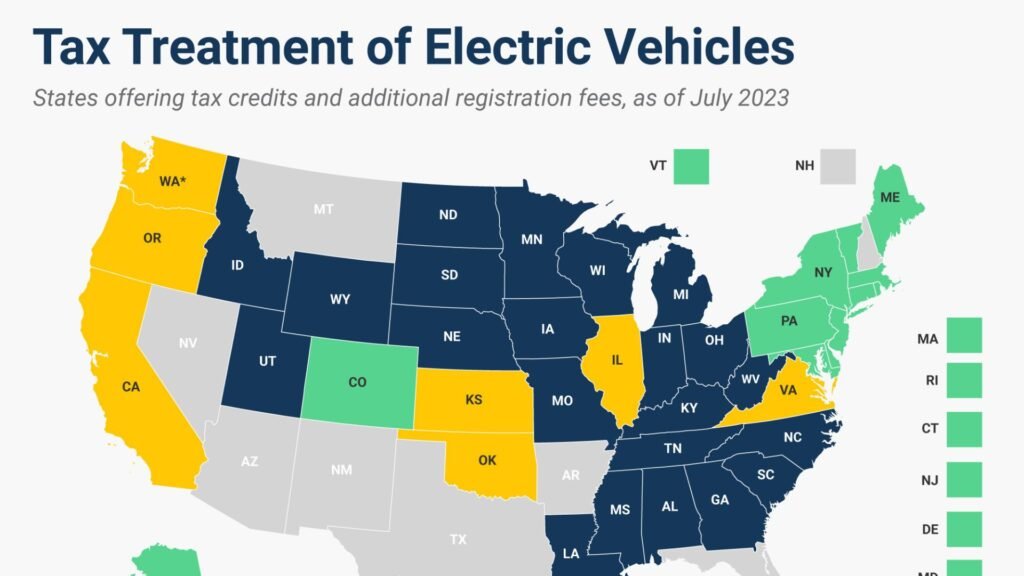
One of the most common incentives is the tax credit. In many countries, buyers of electric vehicles can receive a tax credit, which reduces the amount of income tax they owe. For example, in the United States, federal tax credits can range from $2,500 to $7,500, depending on the vehicle’s battery capacity.

Some governments also offer rebates, which provide a direct cash incentive at the time of purchase. These rebates can significantly lower the cost of an electric vehicle, making it more affordable for a wider range of consumers.

Reduced Registration Fees and Exemptions

Another popular incentive is the reduction or elimination of registration fees for electric vehicles. In some regions, EV owners pay lower annual registration fees compared to owners of gasoline-powered cars. In other areas, electric vehicles might be exempt from road taxes or congestion charges, further reducing the cost of ownership.

Grants and Subsidies for Charging Infrastructure

Governments also provide grants and subsidies to support the development of charging infrastructure. For instance, homeowners or businesses may receive financial assistance to install EV charging stations. By making charging more accessible, these incentives help alleviate one of the main concerns potential EV buyers have—range anxiety.

Incentives for Businesses and Fleets

Governments often extend incentives to businesses and fleets as well. Companies that purchase electric vehicles for their fleets may qualify for tax breaks or subsidies. Additionally, some governments offer grants to help businesses install charging stations on their premises, encouraging the use of electric vehicles in commercial settings.

The Role of Local Governments

In addition to national programs, local governments also play a significant role in promoting electric vehicles. Cities and states often offer their own incentives to complement federal programs.

Local Tax Incentives and Discounts

For example, some cities offer additional tax credits or rebates for EV buyers, on top of what is provided by the national government. Others provide discounts on tolls, parking fees, or allow electric vehicles to use carpool lanes, even with a single occupant. These local incentives make it even easier for residents to choose electric vehicles.

Support for Public Transportation Electrification

Local governments are also investing in the electrification of public transportation. By providing grants and subsidies to public transit agencies, cities can replace old, polluting buses with electric ones. This not only reduces emissions but also demonstrates the viability of electric vehicles in heavy-duty applications.

Challenges and Considerations

While government incentives for electric vehicles are highly effective, they are not without challenges. One issue is that these incentives can be expensive for governments to maintain, especially as EV adoption rates increase. Moreover, there is often debate over how these incentives should be funded and who should benefit from them.

Balancing Incentives with Market Growth

As the market for electric vehicles grows, some governments are beginning to phase out or reduce incentives. This raises concerns about whether the EV market can sustain itself without government support. However, as the cost of EVs continues to decline and technology improves, the need for incentives may decrease over time.

Conclusion

In conclusion, government incentives for electric vehicles are a powerful tool in promoting the adoption of clean transportation. By offering tax credits, rebates, and other financial benefits, governments are making electric vehicles more accessible to the public. These incentives are crucial for reducing emissions, improving air quality, and achieving global environmental goals. As the electric vehicle market continues to evolve, government incentives will likely adapt to ensure the ongoing success of this green transition.

How to Join a Vintage Car Club

Joining a vintage car club can be a rewarding experience for any classic car enthusiast. It’s a great way to meet like-minded people, share your passion, and learn more about vintage cars. Being part of a vintage car club opens up opportunities for car shows, social events, and access to valuable resources for maintaining and restoring your classic car. In this article, we’ll walk you through how to join a vintage car club and make the most of your membership.

Research Local Vintage Car Clubs

The first step to joining a vintage car club is to do some research. Start by looking for clubs in your local area. You can find information online, through social media, or by asking other classic car owners. Some vintage car clubs focus on specific makes or models, while others welcome all types of classic cars. Consider what kind of club interests you the most. For example, if you own a vintage Ford, you might want to join a club that focuses on Ford cars. Finding a club that aligns with your interests will make your experience more enjoyable.

How to Join a Vintage Car Club

Attend a Club Meeting or Event

Once you’ve identified a few vintage car clubs that interest you, the next step is to attend a club meeting or event. This will give you a chance to meet current members and see what the club is all about. Most vintage car clubs have regular meetings or gatherings, such as car shows, cruises, or social events. Attending these events will help you get a feel for the club’s atmosphere and community. It’s a great opportunity to ask questions and find out more about the benefits of joining.

Talk to Current Members

Talking to current members is an excellent way to learn more about a vintage car club. Members can provide insight into the club’s activities, membership requirements, and what it’s like to be part of the group. Don’t hesitate to introduce yourself and share your interest in vintage cars. Most vintage car enthusiasts are friendly and welcoming, and they’ll be happy to share their experiences with you. Getting to know the members will also help you decide if the club is a good fit for you.

Check Membership Requirements

Before you join a vintage club, it’s essential to check the membership requirements. Some clubs have specific rules, such as owning a particular type of car or paying an annual membership fee. Make sure you understand what is expected of members before you join. This information is usually available on the club’s website or can be provided by a club member. Knowing the requirements ahead of time will help you avoid any surprises and ensure that you meet the criteria.

Complete the Membership Application

If you’ve decided to join a vintage car club, the next step is to complete the membership application. Most clubs have a simple application process, which may involve filling out a form and providing some basic information about yourself and your car. Some clubs may also ask for a small membership fee, which helps support the club’s activities and events. Completing the application is straightforward, and once it’s approved, you’ll be a full-fledged member of the vintage club.

Get Involved in Club Activities

After joining a vintage car club, it’s essential to get involved in club activities. Participate in car shows, attend meetings, and join in on club cruises. Being active in the club will help you build relationships with other members and get the most out of your membership. It’s also a fantastic way to show off your vintage car and share your knowledge with others. The more involved you are, the more you’ll enjoy your experience as part of the vintage club.

Share Your Knowledge and Learn from Others

One of the benefits of joining a vintage car club is the opportunity to share your knowledge and learn from others. Vintage car clubs are full of enthusiasts who have a wealth of information about classic cars. Whether it’s tips on restoration, maintenance advice, or stories about their own car experiences, you’ll find plenty of valuable insights. Don’t be afraid to ask questions and offer your advice. Sharing knowledge is a big part of what makes being in a vintage club so enjoyable.

Participate in Car Shows and Events

Car shows and events are a major highlight of being in a vintage car club. These events are a great opportunity to display your car, see other classic cars, and meet fellow enthusiasts. Most vintage car clubs host or participate in car shows regularly, giving you plenty of chances to show off your pride and joy. Participating in these events will not only enhance your experience but also help promote the club and its activities.

Enjoy the Social Aspects

Joining a vintage car club is not just about the cars; it’s also about the social connections. Many clubs host social events like picnics, barbecues, and dinners. These gatherings provide a relaxed environment to chat with other members, make new friends, and enjoy your shared love of vintage cars. The social aspect of a vintage car club can be just as rewarding as the car-related activities.

Contribute to the Club’s Success

As a member of a vintage car club, you have the opportunity to contribute to the club’s success. Volunteering for events, helping organize meetings, or taking on a leadership role can be fulfilling. Your involvement can make a difference and help the club thrive. Plus, contributing to the club’s activities is a great way to feel more connected and take pride in being a part of the group.

Stay Informed with Club Newsletters and Updates

Most vintage car clubs offer newsletters or email updates to keep members informed about upcoming events, club news, and important announcements. Make sure you read these communications to stay up-to-date with what’s happening in the club. Staying informed will help you participate more actively and make the most of your membership.

Take Advantage of Member Discounts

Many vintage car clubs offer member discounts on parts, services, and event entry fees. These discounts can be a valuable perk of your membership, saving you money on car maintenance and restoration. Be sure to take advantage of any discounts offered by your vintage car club to get the most value from your membership.

Network with Other Enthusiasts

Networking is another great benefit of joining a vintage car club. You’ll have the chance to meet people who share your interests and build connections that can be helpful for your car projects. Whether you’re looking for advice, parts, or just someone to chat with about vintage cars, your fellow club members can be a valuable resource.

Promote Your Vintage Car Club

Being part of a vintage car club also means promoting the club and its activities. Encourage other classic car enthusiasts to join, share club events on social media, and invite friends to attend meetings or shows. Promoting your club helps grow its membership and ensures that it remains active and vibrant.

Conclusion

Joining a vintage car club is a fantastic way to connect with other classic car enthusiasts, learn more about vintage cars, and participate in exciting events. By following these steps, you can find the right club for you, get involved, and enjoy all the benefits of being a member. Whether you’re new to vintage cars or have been an enthusiast for years, joining a vintage car club can enhance your experience and passion for these timeless vehicles.

How Cities Adopt Electric Vehicles

Cities around the world are increasingly adopting electric vehicles (EVs) as part of their strategy to reduce pollution and promote sustainable transportation. This shift is not just about using cleaner energy; it’s also about improving the quality of life for residents and building a more resilient urban infrastructure.

How Cities Adopt Electric Vehicles

Why Are Cities Adopting Electric Vehicles?

Cities are major sources of air pollution due to the high concentration of vehicles. Traditional gasoline-powered cars emit harmful gases that contribute to poor air quality and climate change. To combat these issues, cities are adopting electric vehicles. EVs produce zero tailpipe emissions, making them a cleaner alternative to conventional vehicles.

Adopting electric vehicles helps cities meet their environmental goals, such as reducing greenhouse gas emissions. Additionally, as the technology improves and becomes more affordable, EVs are increasingly seen as a practical solution for urban transportation challenges.

Creating EV-Friendly Infrastructure

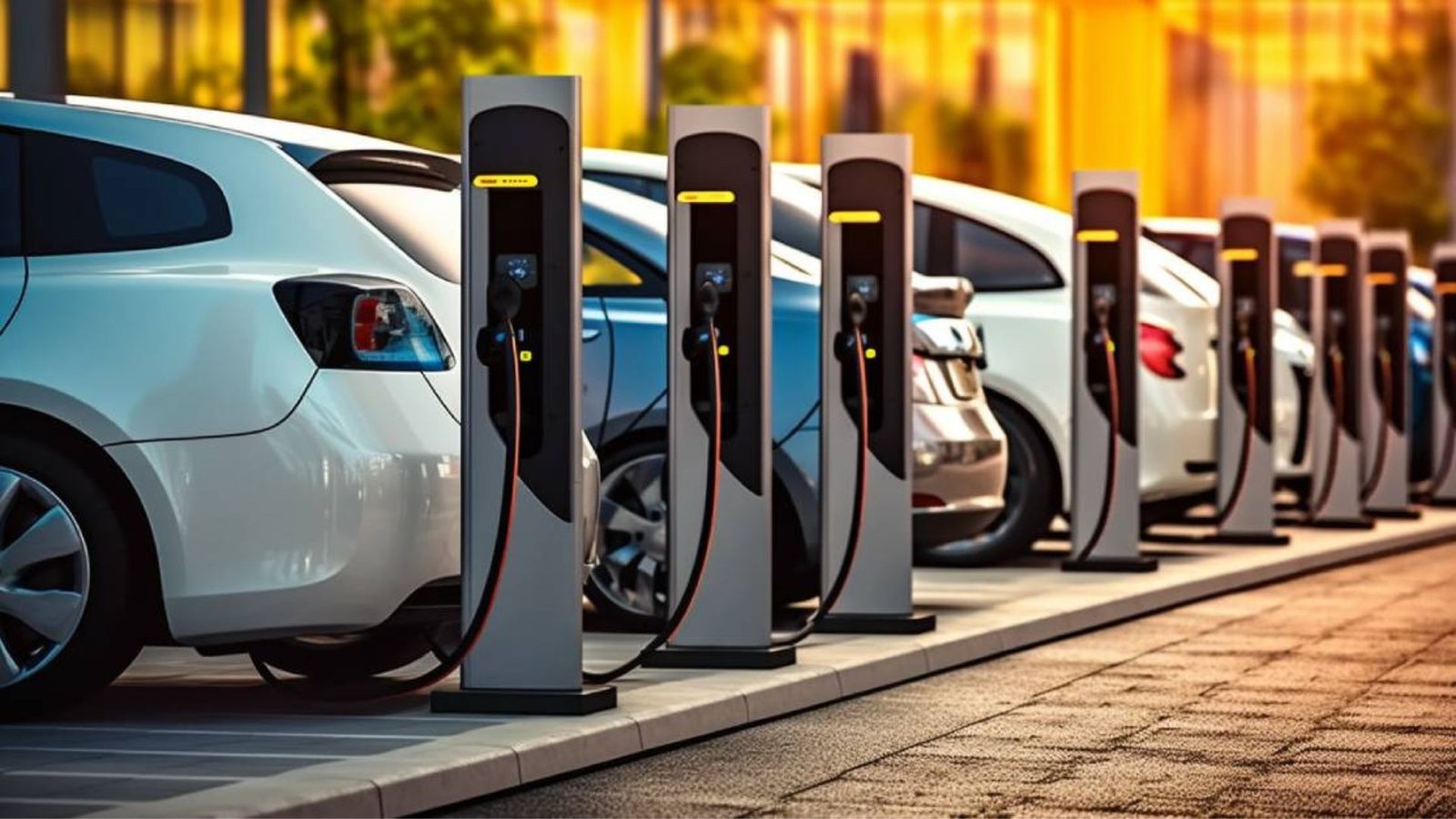
One of the key steps cities are taking to adopt electric vehicles is creating EV-friendly infrastructure. This includes installing public charging stations, which are crucial for supporting EVs. Without a convenient and reliable network of charging stations, residents may be hesitant to switch to electric cars.

Expanding Charging Networks

Many cities are investing in expanding their charging networks. They are installing charging stations in public areas, such as parking lots, shopping centers, and along major roads. Some cities are also introducing fast-charging stations that can quickly recharge a vehicle, making it easier for drivers to keep their cars powered up while on the go.

Incentives for Electric Vehicle Adoption

To encourage residents to switch to electric vehicles, cities are offering various incentives. These incentives make it more affordable and attractive for people to buy EVs.

Financial Incentives and Rebates

Some cities provide financial incentives, such as rebates or tax credits, to reduce the upfront cost of purchasing an electric vehicle. Others offer free or discounted parking for EVs or allow EV drivers to use carpool lanes even when driving alone. These incentives help make electric vehicles a more appealing option for city residents.

Electric Buses and Public Transportation

Cities are not only focusing on individual electric vehicles but also on electrifying public transportation. Electric buses are becoming increasingly common in urban areas, offering a cleaner alternative to traditional diesel-powered buses.

Benefits of Electric Public Transport

Electric buses produce no exhaust emissions and are quieter than their diesel counterparts. This leads to improved air quality and reduced noise pollution in cities. Additionally, electric buses are often cheaper to operate in the long run due to lower fuel and maintenance costs.

Collaborations with Private Companies

Cities are also collaborating with private companies to accelerate the adoption of electric vehicles. These partnerships help cities access new technologies and resources that can support the transition to electric mobility.

Public-Private Partnerships

For example, some cities are working with electric car manufacturers to develop charging infrastructure or to offer shared electric vehicle services. Others are partnering with energy companies to ensure the availability of renewable energy for EV charging, further reducing the carbon footprint of electric vehicles.

Overcoming Challenges in Adopting Electric Vehicles

While the adoption of electric vehicles offers many benefits, it also presents some challenges. One major challenge is the initial cost of transitioning to electric vehicles and building the necessary infrastructure. However, many cities are finding ways to overcome these challenges through careful planning and investment.

Addressing Range Anxiety

Another challenge is range anxiety, where drivers fear running out of power before reaching a charging station. Cities are addressing this by ensuring that charging stations are widely available and by promoting vehicles with longer battery life. As technology advances, these concerns are becoming less significant.

Conclusion

In conclusion, cities are adopting electric vehicles to create a cleaner, healthier, and more sustainable environment for their residents. Through the development of EV-friendly infrastructure, offering incentives, and investing in electric public transportation, cities are leading the way in the transition to electric mobility. Although there are challenges, the benefits of adopting electric vehicles are clear, and cities around the world are embracing this change for a brighter, greener future.

Vintage Car Magazines for Enthusiasts
Best Vintage Car Magazines for Enthusiasts

If you’re a classic car lover, you know that finding the best vintage car magazines for enthusiasts is a must. These magazines are a fantastic way to stay connected to the world of classic automobiles. They provide in-depth articles, beautiful photography, and a wealth of knowledge that can enrich your appreciation of vintage cars. In this article, we’ll share some of the top vintage car magazines for enthusiasts, covering everything from restoration tips to classic car events.

Classic & Sports Car Magazine

One of the most popular vintage car magazines for enthusiasts is Classic & Sports Car Magazine. This magazine is a favorite among classic car fans for a good reason. It offers detailed articles on various classic and sports cars, covering everything from iconic models to lesser-known gems. You’ll find expert reviews, buyer’s guides, and restoration tips, making it a valuable resource for anyone interested in vintage cars. The high-quality photography and well-written articles make it enjoyable to read, whether you’re a seasoned collector or just starting your vintage car journey.

Vintage Car Magazines for Enthusiasts

Hemmings Motor News

Hemmings Motor News is another essential read for vintage car enthusiasts. Known as “the bible” of the classic car world, this magazine provides a wide range of content, including car classifieds, event listings, and feature articles on different vintage models. If you’re looking to buy or sell a vintage car, Hemmings is a great place to start. Additionally, it offers helpful articles on restoration and maintenance, making it one of the best vintage car magazines for enthusiasts who want to learn more about caring for their classic automobiles.

Octane Magazine

Octane Magazine is perfect for those who appreciate luxury and performance in vintage cars. It focuses on high-end classic cars, such as Ferraris, Aston Martins, and Porsches, but also covers more affordable vintage options. Octane offers interviews with car designers, behind-the-scenes looks at car collections, and insightful articles on automotive history. Its rich content makes it a top choice among vintage car magazines for enthusiasts who are passionate about the stories behind the cars.

Classic Car Magazine

If you’re looking for a magazine that offers a bit of everything, Classic Car Magazine is a great option. It covers a broad range of vintage cars, from the early 20th century to more recent classics. This magazine includes restoration advice, buyer’s guides, and event coverage. It also features stories from vintage car owners, providing personal insights into the joys and challenges of owning a classic car. With its comprehensive coverage, Classic Car Magazine is a must-read for anyone interested in vintage car culture.

Practical Classics

For those who enjoy getting their hands dirty, Practical Classics is the magazine to read. It’s one of the best vintage car magazines for enthusiasts who are into restoration and DIY projects. This magazine offers step-by-step guides, expert advice, and detailed illustrations to help you restore and maintain your vintage car. Whether you’re a seasoned mechanic or a beginner, Practical Classics provides the information you need to take on restoration projects confidently.

Classic American

Classic American is a top pick for fans of American vintage cars. This magazine focuses on classic American muscle cars, hot rods, and other iconic models from the United States. It features in-depth articles on car restoration, and modification tips, and showcases stunning photography of classic American vehicles. If you have a passion for the muscle cars of the 60s and 70s, this is one of the best vintage car magazines for enthusiasts who share that love.

Vintage Roadcar Magazine

Vintage Roadcar Magazine is perfect for those who enjoy reading about the elegance and craftsmanship of pre-war cars. This magazine specializes in vintage road cars, offering articles on restoration, history, and profiles of classic car collectors. It’s one of the top vintage car magazines for enthusiasts who appreciate the charm and sophistication of early automobiles.

Motor Trend Classic

Motor Trend Classic is an extension of the well-known Motor Trend magazine, focusing exclusively on vintage cars. It provides a mix of car reviews, history, and feature stories about iconic classic cars. The magazine’s expert insights and engaging writing make it a favorite among vintage car magazines for enthusiasts who want to stay informed about the latest trends and news in the classic car world.

Car and Driver Classic

Car and Driver Classic is a special edition of the popular Car and Driver magazine. It delves into the world of vintage cars with a fresh perspective, offering features on timeless classics, restoration projects, and profiles of car enthusiasts. The content is both informative and entertaining, making it one of the best vintage car magazines for enthusiasts looking for a blend of history and modern appreciation.

Vintage Motorsport

If your love for vintage cars includes racing, Vintage Motorsport is the magazine for you. It covers vintage racing events, profiles of classic race cars, and interviews with drivers. This magazine combines the excitement of motorsport with a love for vintage cars, making it a top choice among vintage magazines for enthusiasts who enjoy speed and competition.

Retro Cars Magazine

Retro Cars Magazine focuses on modified classic cars and the culture surrounding them. It’s ideal for enthusiasts who enjoy seeing how vintage cars can be customized and restored with a modern twist. The magazine features in-depth articles, and how-to guides, and showcases some of the best-modified vintage cars on the road. It stands out among vintage car magazines for enthusiasts who appreciate a blend of old and new.

Automobile Quarterly

Automobile Quarterly is a historical magazine that offers in-depth articles on vintage cars and automotive history. It’s a high-quality publication with beautifully written content and excellent photography. Although it’s not published as frequently as other magazines, its detailed coverage and coffee table book quality make it one of the best vintage car magazines for enthusiasts interested in the history of classic automobiles.

Classic Trucks Magazine

For those who love vintage trucks, Classic Trucks Magazine is a must-read. It covers everything from classic pickups to big rigs, offering restoration tips, modification ideas, and event coverage. This magazine is perfect for enthusiasts who appreciate the rugged beauty and functionality of vintage trucks.

Jaguar Enthusiast Magazine

Jaguar Enthusiast Magazine is dedicated to fans of Jaguar’s vintage models. It provides articles on Jaguar history, restoration tips, and coverage of Jaguar events. The magazine’s focus on one brand makes it unique among vintage car magazines for enthusiasts who have a particular passion for Jaguar’s classic cars.

The Automobile Magazine

The Automobile Magazine offers a focus on pre-war and early post-war classic cars. With its emphasis on elegance and the heritage of early automobiles, it stands out among vintage car magazines for enthusiasts who have a deep appreciation for automotive history. The magazine’s detailed articles and stunning photography make it a pleasure to read.

Conclusion

Whether you’re into restoration, racing, or simply admiring the beauty of classic cars, there’s a vintage car magazine out there for you. These magazines provide valuable insights, practical advice, and a connection to the vibrant community of vintage car enthusiasts. No matter your interest, these vintage car magazines for enthusiasts offer something to enjoy and learn from.

Latest Advances in EV Batteries

Electric vehicles (EVs) are becoming more popular every day. One reason for this is the latest advances in EV batteries. These new technologies are making electric vehicles better, faster, and more reliable. As a result, more people are choosing EVs over traditional gasoline-powered cars.

Latest Advances in EV Batteries

Why Are EV Batteries Important?

EV batteries are the heart of an electric vehicle. They store the energy that powers the car. Without a good battery, an electric car would not be able to travel far or fast. Therefore, the latest advances in EV batteries are crucial for the growth of the electric vehicle industry.

As EVs become more common, there is a growing demand for better batteries. Car manufacturers and scientists are working hard to create batteries that last longer, charge faster, and are more environmentally friendly. The latest advances in EV batteries are helping to solve these challenges, making electric vehicles more practical for everyday use.

New Materials for EV Batteries

One of the latest advances in EV batteries is the use of new materials. Traditional batteries use lithium-ion technology. While this has been effective, it has its limitations. Scientists are now experimenting with materials like solid-state electrolytes, silicon anodes, and even lithium-sulfur.

The Promise of Solid-State Batteries

These new materials could make batteries lighter, safer, and able to hold more energy. For instance, solid-state batteries are considered one of the most promising advancements. They are less likely to overheat and can store more energy, allowing cars to travel longer distances on a single charge.

Faster Charging Times

Another exciting development in EV batteries is faster charging times. One of the biggest concerns for electric vehicle owners is how long it takes to charge the battery. The latest advances in EV batteries are addressing this issue.

The Rise of Fast-Charging Stations

New technologies are being developed to reduce charging times from hours to minutes. Fast-charging stations are also becoming more common, making it easier for people to charge their cars on the go. With these advances, charging an EV could soon be as quick and easy as filling up a gas tank.

Longer Battery Life

In addition to faster charging, the latest advances in EV batteries are also focused on increasing battery life. The longer a battery can last, the less often it needs to be replaced. This not only saves money for the car owner but also reduces waste, making EVs more environmentally friendly.

Extending Battery Longevity

Researchers are working on ways to make batteries last for hundreds of thousands of miles. Some of the new materials mentioned earlier, like solid-state batteries, could help achieve this. Longer battery life means that EVs will be more reliable and require less maintenance over time.

Environmental Benefits

The latest advances in EV batteries are not just about making cars faster or more powerful. They also have significant environmental benefits. Traditional batteries rely on materials that can be harmful to the environment. However, new battery technologies are using more sustainable materials.

Recycling and Sustainability

For example, scientists are looking at ways to recycle old batteries and use them in new ones. This reduces the need for mining raw materials and decreases the environmental impact of battery production. Additionally, EV batteries are becoming more efficient, which means that cars use less energy and produce fewer emissions.

What’s Next for EV Batteries?

The latest advances in EV batteries are just the beginning. As technology continues to improve, we can expect even more exciting developments in the future. For example, wireless charging is an area of research that could make charging an EV as simple as parking it.

Moreover, the cost of EV batteries is expected to decrease as production methods improve. This will make electric vehicles more affordable for everyone. The future of transportation is looking bright, thanks to the ongoing innovations in EV battery technology.

Conclusion

In conclusion, the latest advances in EV batteries are revolutionizing the electric vehicle industry. These improvements are making EVs more practical, affordable, and environmentally friendly. As technology continues to advance, we can expect even greater changes that will shape the future of how we travel. Electric vehicles are not just a trend; they are the future, and the latest advances in EV batteries are leading the way.

Trends in Electric Vehicle Charging

As electric vehicles (EVs) become more popular, the demand for efficient and accessible charging options is growing. But what are the latest trends in electric vehicle charging? This question is important for understanding how the future of EV charging is shaping up. In this blog post, we’ll explore key trends that are transforming the way we charge electric vehicles.

Trends in Electric Vehicle Charging

Faster Charging Technology

The Need for Speed

One of the most exciting trends in electric vehicle charging is the development of faster charging technology. As more people switch to EVs, the need for quick and convenient charging solutions has become more important. Traditional charging stations can take hours to fully charge a vehicle, but new advancements are reducing this time significantly.

Ultra-Fast Chargers

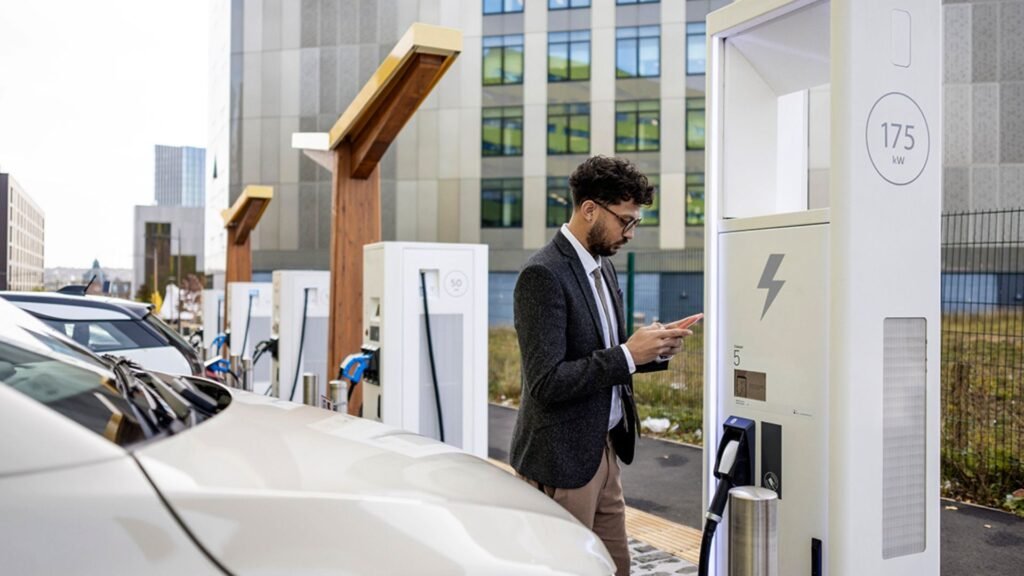
Ultra-fast chargers are one of the leading innovations in this area. These chargers can power up an electric vehicle in just a few minutes, making them much more practical for long trips or busy schedules. With the rise of ultra-fast charging stations, drivers can spend less time waiting and more time on the road.

How Fast Charging is Shaping the Market

As this technology continues to improve, we can expect to see even more ultra-fast charging stations being installed. This trend is crucial for making electric vehicles a viable option for more people, especially those who travel long distances regularly.


Wireless Charging for Electric Vehicles

The Convenience of Wireless Charging

Another exciting trend in electric vehicle charging is wireless charging. Just like wireless phone chargers, this technology allows EVs to be charged without plugging in. Instead, the vehicle is parked over a charging pad, and the battery begins to charge automatically.

How Wireless Charging Works

Wireless charging works through a process called inductive charging. A magnetic field transfers energy from the charging pad to the vehicle’s battery, eliminating the need for cables and connectors. This technology offers a hassle-free and more convenient way to charge electric vehicles.

The Future of Wireless Charging

Although still in the early stages of development, wireless charging is expected to become more widespread in the coming years. As more vehicles and charging stations are equipped with this technology, it could change the way we think about charging electric vehicles.


Expansion of Charging Networks

The Growing Demand for Charging Stations

As the number of electric vehicles on the road increases, so does the demand for charging stations. One of the most significant trends in electric vehicle charging is the expansion of charging networks. More charging stations are being installed in public places, making it easier for drivers to charge their vehicles wherever they go.

Government and Private Sector Involvement

Both governments and private companies are playing a key role in expanding charging networks. Governments are investing in infrastructure projects to build more charging stations, especially in urban areas. Meanwhile, private companies are creating networks of charging stations that are accessible to the public.

How Expansion is Driving EV Adoption

This expansion is essential for encouraging more people to switch to electric vehicles. The more accessible charging stations are, the less “range anxiety” drivers will feel. This trend is likely to continue as electric vehicles become the standard mode of transportation.


Integration with Renewable Energy

Charging with Green Energy

Another important trend in electric vehicle charging is the integration with renewable energy sources. More charging stations are being powered by solar, wind, or other renewable energy, making the entire EV experience even more environmentally friendly.

The Benefits of Renewable-Powered Charging

Using renewable energy to charge electric vehicles reduces the carbon footprint of both the vehicle and the charging process. This aligns with the overall goal of reducing emissions and combating climate change. As a result, many new charging stations are being designed with renewable energy in mind.

The Future of Sustainable Charging

As the world continues to shift toward renewable energy, we can expect to see more charging stations powered by green energy. This trend not only benefits the environment but also supports the sustainability goals of governments and businesses alike.


Smart Charging and Grid Integration

What is Smart Charging?

Smart charging is another innovative trend in electric vehicle charging. It involves using technology to manage when and how vehicles are charged, often in response to the demands of the electrical grid. This helps balance the load on the grid and can reduce the cost of electricity for consumers.

The Role of Smart Grids

Smart grids play a crucial role in this process by communicating with charging stations and adjusting the power supply based on current demand. This ensures that the grid remains stable and that energy is used efficiently.

How Smart Charging Benefits Everyone

For EV owners, smart charging can mean lower energy bills and a more reliable charging experience. For utility companies, it means a more manageable grid. As more charging stations adopt smart technology, this trend is likely to grow, making electric vehicle charging more efficient and cost-effective.


Conclusion

The trends in electric vehicle charging are shaping the future of how we power our cars. From faster charging technology and wireless options to the expansion of charging networks and the integration with renewable energy, these developments are making EVs more convenient and accessible. As these trends continue to evolve, we can look forward to a future where electric vehicle charging is faster, smarter, and greener.

What Drives Electric Vehicle Growth?

Electric vehicles (EVs) are quickly becoming a popular choice for many people around the world. But what drives electric vehicle growth? This question is important as we see more EVs on the road every day. There are several factors that contribute to the increasing demand for electric vehicles. In this blog post, we will explore these factors and explain how they are shaping the future of transportation.


Environmental Benefits

The Impact of Gas-Powered Cars on the Environment

One of the main reasons behind the growth of electric vehicles is their positive impact on the environment. Traditional gas-powered cars release harmful pollutants into the air, contributing to air pollution and climate change. These emissions are a significant concern as they affect the quality of the air we breathe and contribute to global warming.

How Electric Vehicles Help the Environment

In contrast, electric vehicles produce zero emissions, making them much cleaner and better for our planet. Because of this, many people are choosing electric vehicles as a way to reduce their carbon footprint. Not only do they want to protect the environment, but they also want to be part of the solution to global warming.

Government Support for Electric Vehicles

Moreover, governments around the world are supporting this shift by offering incentives and subsidies for those who purchase electric vehicles. These incentives make it easier and more affordable for people to switch to EVs, further driving electric vehicle growth.


Technological Advancements

Improvements in Electric Vehicle Batteries

Another key factor that drives electric vehicle growth is the rapid advancement in technology. Over the years, we have seen significant improvements in the technology used in electric vehicles. For instance, the batteries used in EVs have become more efficient, allowing cars to travel longer distances on a single charge.

The Rise of Fast-Charging Stations

In addition to better batteries, the development of fast-charging stations has made it more convenient for EV owners to recharge their cars. With more charging stations available, the fear of running out of power while on the road has decreased, making electric vehicles a more practical choice for everyday use.

How Technology Attracts More Buyers

These technological advancements not only improve the performance of electric vehicles but also make them more attractive to potential buyers. As a result, the growing interest in new technology continues to drive electric vehicle growth.


Lower Operating Costs

The Cost of Electricity vs. Gasoline

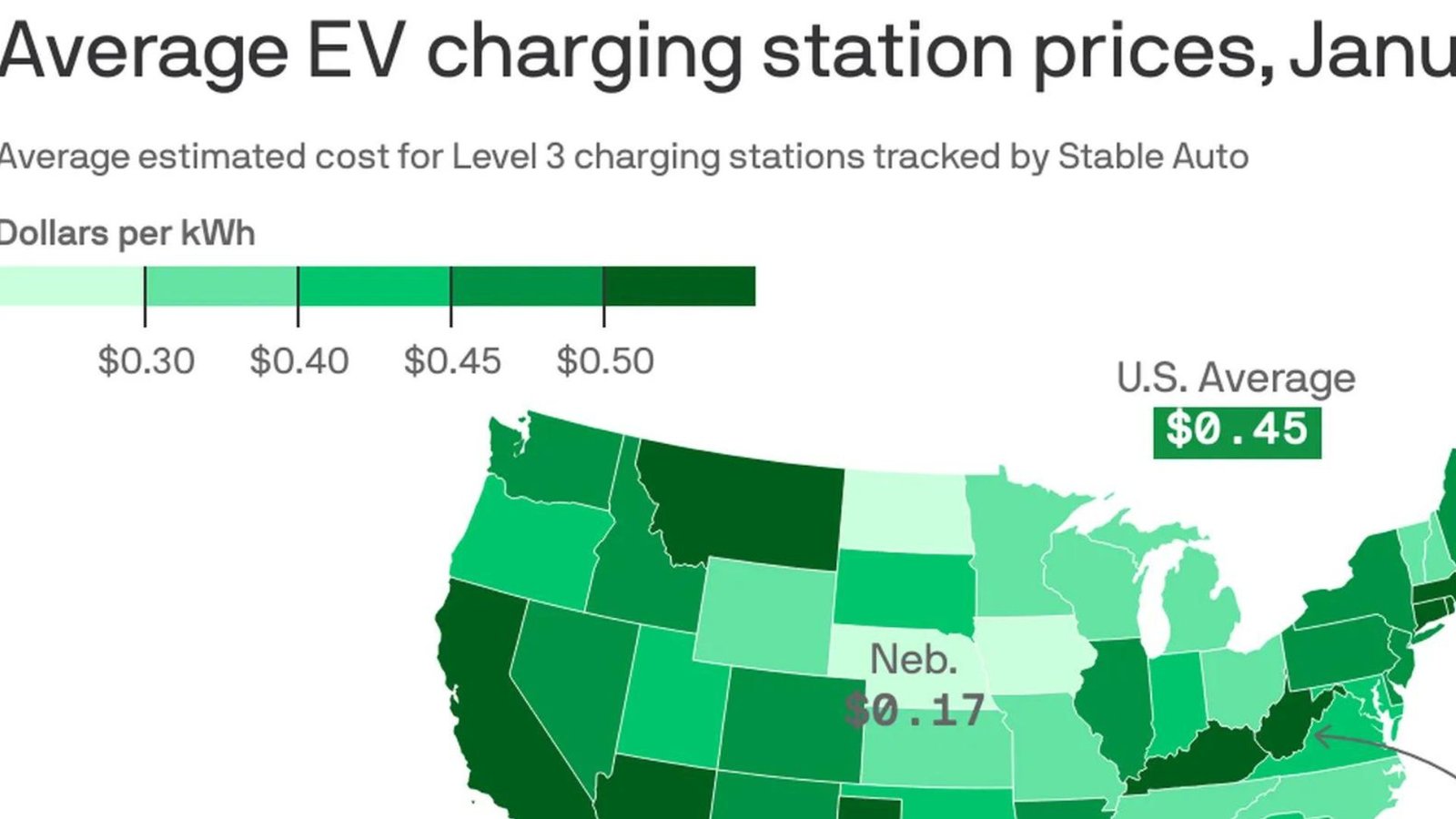
Another reason that drives electric vehicle growth is the lower cost of operating an EV compared to a traditional gasoline car. Electric vehicles are much cheaper to run because electricity is generally less expensive than gasoline.

Reduced Maintenance Costs

Additionally, EVs have fewer moving parts than gas-powered cars, meaning they require less maintenance and are less likely to need repairs. For many people, the idea of saving money on fuel and maintenance is a significant incentive to switch to an electric vehicle.

Long-Term Financial Benefits

Over time, these cost savings can add up, making electric vehicles a more economical choice in the long run. This financial advantage is a strong factor that continues to drive electric vehicle growth.


Increased Availability and Variety

The Growing Market for Electric Vehicles

As the demand for electric vehicles grows, so does the variety of models available on the market. In the past, there were only a few options for those interested in buying an electric vehicle. However, today, there are many different types of EVs available, ranging from compact cars to luxury SUVs and even trucks.

Meeting Different Lifestyles and Budgets

This increased variety means that there is now an electric vehicle to suit almost every lifestyle and budget. Whether someone is looking for a small, affordable car for city driving or a larger, more luxurious vehicle for long trips, there is an EV that meets their needs.

How Availability Drives Growth

The availability of more choices is another factor that drives electric vehicle growth. With more options on the market, more people are finding the right EV for them.


Government Policies and Incentives

Tax Breaks and Rebates for EV Buyers

Lastly, government policies and incentives play a crucial role in what drives electric vehicle growth. Many governments are encouraging the adoption of electric vehicles by offering tax breaks, rebates, and other incentives to buyers. These incentives make it more attractive for people to choose an electric vehicle over a traditional gas-powered car.

Regulations for Car Manufacturers

In some countries, there are also regulations that require car manufacturers to produce a certain percentage of electric vehicles. These policies ensure that more EVs are available on the market, further increasing their popularity.

Infrastructure Investments

Additionally, governments are investing in the infrastructure needed to support electric vehicles, such as building more charging stations. With more places to charge their cars, people feel more confident about making the switch to an EV. All of these government actions contribute to the growing trend of electric vehicle growth.


Conclusion

In conclusion, several factors drive electric vehicle growth, including environmental benefits, technological advancements, lower operating costs, increased availability, and supportive government policies. As these factors continue to influence the market, it is clear that electric vehicles are not just a trend, but the future of transportation. With more people recognizing the advantages of EVs, we can expect to see even more growth in the years to come.