

AlternativeAutomobile29
Search for:
Best Manual Cars for Beginners

Learning to drive a manual car can be a fun and rewarding experience. For beginners, choosing the right car is crucial to making the learning process smooth and enjoyable. In this post, we’ll explore the best manual cars for beginners. We’ll look at models that offer simplicity, ease of use, and reliability, helping you make a well-informed choice.

Best Manual Cars for Beginners

1. Why Choose a Manual Car?

Benefits of Manual Transmissions

Manual cars offer a more engaging driving experience. They give you full control over gear changes and engine power. This control can help you learn more about driving dynamics and vehicle handling. Moreover, manual cars often come with lower purchase prices and better fuel efficiency compared to automatics.

Learning Curve

For beginners, a manual car with a smooth learning curve is ideal. Cars that are easy to operate and forgiving of beginner mistakes make learning to drive a manual more enjoyable. A good manual car should provide a comfortable and less intimidating driving experience.

2. Top Manual Cars for Beginners

1. Mazda MX-5 Miata

The Mazda MX-5 Miata is an excellent choice for beginners. It’s known for its sporty handling and precise gear shifts. The car’s lightweight and well-tuned clutch make it easy to drive. Additionally, the Miata’s manual transmission is smooth and responsive, helping new drivers build confidence quickly.

2. Honda Civic

The Honda Civic is a popular choice for many reasons. Its manual transmission is straightforward and easy to use. The Civic is reliable and fuel-efficient, making it an economical choice for new drivers. With a comfortable interior and user-friendly controls, the Civic is great for learning and daily driving.

3. Ford Fiesta

The Ford Fiesta offers a fun driving experience with its nimble handling and engaging manual transmission. The car’s compact size makes it easy to maneuver, and its clutch is forgiving for beginners. The Fiesta’s stylish design and tech features also make it an attractive option for new drivers.

4. Toyota Corolla

The Toyota Corolla is well-known for its reliability and ease of use. The manual transmission in the Corolla is smooth and easy to operate, making it ideal for beginners. With a reputation for dependability and a comfortable ride, the Corolla is a practical choice for those new to driving a manual.

5. Subaru Impreza

The Subaru Impreza provides a balanced driving experience with its all-wheel-drive system and smooth manual transmission. The car’s handling is predictable, and the clutch is easy to manage. The Impreza’s spacious interior and reliable performance make it a solid choice for new drivers.

3. Key Features to Look For

Simple Controls

For beginners, cars with simple and intuitive controls are preferable. Look for models with easy-to-use gear shifts and a smooth clutch. A clear and straightforward gearbox will make learning to drive a manual less challenging.

Good Visibility

Good visibility is important for new drivers. Cars with large windows and well-designed mirrors help beginners see their surroundings more clearly. This feature can make maneuvering and parking easier.

Reliable Performance

Reliability is crucial when choosing a manual car. Opt for models with a strong reputation for dependability. A reliable car reduces the chances of breakdowns and provides peace of mind for new drivers.

4. Tips for Learning to Drive a Manual Car

Start Slowly

When learning to drive a manual car, start in a quiet, low-traffic area. Practice basic maneuvers like starting, stopping, and shifting gears. Gradually build your skills and confidence before venturing into busier traffic.

Get Familiar with the Clutch

The clutch is a key component of driving a manual car. Take the time to understand how it works and practice using it smoothly. Proper clutch control helps prevent stalling and makes driving more enjoyable.

Take a Driving Course

Consider taking a driving course specifically for manual transmissions. Professional instructors can provide valuable tips and techniques to help you learn efficiently. A structured course can also give you more confidence behind the wheel.

5. Maintenance and Care

Regular Maintenance

Regular maintenance is essential for keeping a manual car in good condition. Follow the manufacturer’s recommendations for oil changes, clutch inspections, and other routine checks. Proper care ensures your car remains reliable and enjoyable to drive.

Learn Basic Repairs

Learning basic repairs can be beneficial for manual car owners. Familiarize yourself with common issues and how to address them. Understanding basic maintenance and repair tasks can help you keep your car running smoothly and extend its lifespan.

Conclusion

In summary, the best manual cars for beginners offer simplicity, ease of use, and reliability. Models like the Mazda MX-5 Miata, Honda Civic, Ford Fiesta, Toyota Corolla, and Subaru Impreza are excellent choices for new drivers. By choosing a car with user-friendly controls and reliable performance, you can make the learning process enjoyable and effective. Start with the basics, take your time, and enjoy the journey of learning to drive a manual car.

How to Increase Hybrid Vehicle Efficiency

Hybrid vehicles are popular for their impressive fuel efficiency and lower emissions. However, many hybrid owners wonder how they can further increase their hybrid vehicle efficiency. With a few simple strategies, you can maximize your hybrid’s fuel economy and enjoy a smoother, more cost-effective driving experience. In this guide, we’ll explore several ways to enhance your hybrid vehicle’s efficiency.

Understand How Hybrid Vehicles Work

To effectively increase hybrid vehicle efficiency, it’s important to understand how these vehicles operate. Hybrid vehicles combine a gasoline engine with an electric motor to optimize fuel consumption. The electric motor provides additional power during acceleration and low-speed driving, while the gasoline engine kicks in when more power is needed or when driving at higher speeds. By alternating between these two power sources, hybrids can achieve better fuel economy than traditional gasoline cars.

Drive Smoothly and Avoid Rapid Acceleration

1. Gradual Acceleration

One of the easiest ways to improve hybrid vehicle efficiency is by driving smoothly. Rapid acceleration and sudden stops can significantly reduce your fuel economy. Instead, try to accelerate gradually and anticipate stops ahead of time. This driving style allows the electric motor to do most of the work at lower speeds, conserving fuel.

2. Use Cruise Control

When driving on the highway, using cruise control can help maintain a constant speed, which reduces fuel consumption. Hybrid vehicles are designed to be most efficient at steady speeds, so take advantage of cruise control whenever possible. However, avoid using cruise control on hilly terrain, as this can cause the engine to work harder, decreasing fuel efficiency.

Optimize Your Hybrid’s Battery Use

1. Maximize Regenerative Braking

Hybrid vehicles come equipped with a feature called regenerative braking. This system captures energy that would otherwise be lost during braking and uses it to recharge the battery. To increase hybrid vehicle efficiency, take advantage of regenerative braking by coasting to a stop whenever possible. This not only saves fuel but also helps extend the life of your brake pads.

2. Monitor Battery Levels

Keeping an eye on your hybrid’s battery levels can also help improve efficiency. While you don’t need to charge the battery like an electric vehicle, avoiding deep discharges and maintaining a moderate charge level can prolong battery life and enhance performance. Most hybrids automatically manage battery levels, but being mindful of your driving habits can still make a difference.

Maintain Proper Tire Pressure

1. Check Tire Pressure Regularly

Proper tire pressure is essential for maximizing hybrid vehicle efficiency. Under-inflated tires create more rolling resistance, which forces the engine to work harder and burn more fuel. Make it a habit to check your tire pressure at least once a month and keep it at the level recommended in your owner’s manual. This simple step can improve your car’s fuel economy and extend the life of your tires.

2. Rotate and Align Tires

In addition to maintaining proper tire pressure, regularly rotating and aligning your tires can also boost efficiency. Uneven tire wear and misalignment can increase resistance and decrease fuel economy. Most manufacturers recommend rotating tires every 6,000 to 8,000 miles, but check your vehicle’s manual for specific guidelines.

Reduce Excess Weight and Drag

1. Remove Unnecessary Items

Carrying excess weight can reduce your hybrid vehicle’s efficiency by making the engine work harder. To increase hybrid vehicle efficiency, remove any unnecessary items from your car, especially heavy ones. Keep your trunk and back seat clear of clutter, and only carry what you need for each trip.

2. Minimize Aerodynamic Drag

Aerodynamic drag is another factor that can impact fuel economy. Roof racks, bike carriers, and other external accessories can create additional drag, reducing your vehicle’s efficiency. If you don’t need these items for your daily commute, remove them to minimize drag and improve fuel economy.

Keep Up with Regular Maintenance

1. Follow the Manufacturer’s Maintenance Schedule

Regular maintenance is key to keeping your hybrid running efficiently. Follow the manufacturer’s recommended maintenance schedule for oil changes, air filter replacements, and other routine services. A well-maintained hybrid vehicle will run more smoothly and use less fuel, ultimately saving you money.

2. Use the Right Fluids

Using the correct fluids for your hybrid vehicle is essential for optimal performance. Check your owner’s manual for the recommended oil type and viscosity, as well as the proper coolant and transmission fluids. Using the right fluids helps maintain your hybrid’s efficiency and prevents unnecessary wear and tear.

Plan Your Trips Wisely

1. Combine Errands

To further increase hybrid vehicle efficiency, plan your trips wisely. Combining errands into one trip can save fuel by reducing the number of cold starts, which use more fuel. Additionally, try to avoid rush hour traffic and use navigation apps to find the most efficient routes.

2. Avoid Short Trips

Short trips are less efficient for hybrid vehicles because the engine may not have enough time to warm up to its optimal temperature. If possible, walk or bike for short distances, or combine multiple short trips into one longer journey to maximize efficiency.

Conclusion

Increasing hybrid vehicle efficiency doesn’t have to be complicated. By following these simple tips, such as driving smoothly, optimizing battery use, maintaining proper tire pressure, reducing weight and drag, keeping up with regular maintenance, and planning your trips wisely, you can enhance your hybrid’s fuel economy and enjoy a more cost-effective driving experience. With a little effort and attention to detail, you can make the most of your hybrid vehicle and contribute to a greener, more sustainable future.

Is Manual Cars Resale Value High?

When considering a manual car, you might wonder about its resale value. Manual transmissions have unique characteristics, and their resale value can vary based on several factors. In this post, we’ll explore whether manual cars typically hold their value well and what influences their resale prices.

Is Manual Cars Resale Value High?

1. Demand for Manual Cars

Market Trends

The demand for manual cars has changed over the years. In the past, manual transmissions were more common and highly sought after. Today, however, automatic transmissions have become more popular due to their convenience and ease of use. As a result, manual cars are less common in the market, which can influence their resale value.

Enthusiast Appeal

Manual cars often attract driving enthusiasts who value the engaging driving experience they offer. For these buyers, a well-maintained manual car can command a premium price. Enthusiasts are willing to pay more for a manual transmission, especially in rare or high-performance models.

2. Rarity and Condition

Rarity of Manual Transmissions

The rarity of manual transmissions can positively impact resale value. As fewer new cars come with manual options, existing manual cars become more desirable to certain buyers. This scarcity can drive up demand and potentially increase resale prices.

Condition of the Vehicle

The condition of the manual car significantly affects its resale value. A well-maintained car with a clean service history will generally command a higher price. Regular maintenance, such as clutch replacement and transmission fluid changes, can help preserve the car’s value.

3. Model and Brand Impact

Brand and Model Popularity

The resale value of a manual car can vary depending on the brand and model. Some brands and models are known for their durability and performance, which can help maintain higher resale values. Sports cars and high-performance vehicles with manual transmissions, like the Mazda MX-5 Miata or the Ford Mustang GT, often have better resale values due to their reputation and enthusiast following.

Market Preferences

Different markets have different preferences. In some regions, manual cars may have higher resale values due to local driving conditions or cultural preferences. In other areas, the demand for automatic transmissions might outweigh that for manuals, affecting resale values accordingly.

4. Economic Factors

Overall Market Conditions

Economic conditions can influence the resale value of manual cars. During periods of economic uncertainty, buyers might prefer more practical and fuel-efficient vehicles, which could affect the resale value of manual cars. Conversely, in a strong economy, enthusiasts may be more willing to pay a premium for a well-maintained manual car.

Fuel Efficiency and Running Costs

Manual cars are often perceived as more fuel-efficient compared to their automatic counterparts. This perception can affect resale value, especially if buyers are looking for cost-effective options. However, modern automatic transmissions, such as CVTs and dual-clutch systems, have narrowed the fuel efficiency gap, which can impact the perceived value of manual cars.

5. Technological Advancements

Impact of Modern Technology

Advancements in automotive technology can also influence the resale value of manual cars. Modern vehicles come with advanced driver assistance systems, infotainment features, and fuel-efficient technologies. While manual transmissions offer a unique driving experience, buyers may prioritize the latest technology and convenience features, affecting manual cars’ resale values.

Integration of Technology

Some manual cars come with advanced technology that can help maintain their value. Features such as high-quality infotainment systems, improved safety features, and performance enhancements can make a manual car more attractive to buyers, potentially supporting higher resale values.

6. Resale Value Comparisons

Comparing Manual and Automatic Cars

In general, automatic cars tend to have higher resale values compared to manual cars. This trend is due to the higher demand for automatics and the increasing preference for convenience. However, certain manual cars, especially rare or collectible models, can hold or even exceed the resale values of their automatic counterparts.

Evaluating Specific Models

To determine the resale value of a specific manual car, it’s helpful to research recent sales of similar models. Online resources, such as automotive marketplaces and valuation tools, can provide insights into the current market trends and expected resale values.

7. Tips for Maximizing Resale Value

Maintaining Your Manual Car

To maximize resale value, keep your manual car in excellent condition. Regular maintenance, clean records, and addressing any issues promptly can help preserve its value. A well-maintained manual car is more likely to attract interested buyers and command a higher price.

Documentation and Presentation

When selling a manual car, provide thorough documentation, including service records and any upgrades or modifications. Presenting the car cleanly and highlighting its key features can also positively influence potential buyers and enhance the resale value.

Conclusion

In summary, the resale value of manual cars can vary based on demand, rarity, condition, and market factors. While automatic transmissions generally have higher resale values due to their popularity, certain manual cars, especially rare or performance models, can command higher prices. By maintaining your manual car in good condition and understanding market trends, you can improve its resale value and appeal to potential buyers.

Best Hybrid Cars for Long Commutes

If you spend a lot of time driving to and from work, you know how important it is to have a car that’s both comfortable and fuel-efficient. Hybrid cars are an excellent choice for long commutes because they combine the benefits of gasoline and electric power, offering great fuel economy without sacrificing performance. In this article, we’ll explore the best hybrid cars for long commutes and help you find the perfect vehicle for your needs.

Why Choose a Hybrid Car for Long Commutes?

Before diving into our top picks, let’s talk about why hybrid cars are ideal for long commutes. First and foremost, hybrid cars for long commutes save you money on fuel. With gas prices fluctuating, having a car that uses less fuel can make a significant difference in your monthly budget. Additionally, hybrid cars often come equipped with advanced technology and comfort features that make long drives more pleasant. Finally, hybrid vehicles produce fewer emissions than traditional gasoline cars, which is great for those who are conscious about their environmental impact.

Top Hybrid Cars for Long Commutes

1. Toyota Prius

The Toyota Prius has long been a favorite among hybrid enthusiasts, and for good reason. This car is known for its outstanding fuel efficiency, with an EPA-estimated 56 miles per gallon combined. The Prius also offers a comfortable interior with plenty of legroom, making it perfect for long commutes. It’s packed with standard features like adaptive cruise control and lane-keeping assist, which help make highway driving more manageable. For those who prioritize reliability and cost savings, the Toyota Prius is one of the best hybrid cars for long commutes.

2. Honda Accord Hybrid

The Honda Accord Hybrid combines the spaciousness and comfort of a midsize sedan with impressive fuel efficiency. With an estimated 48 miles per gallon combined, the Accord Hybrid allows you to go further on each tank of gas. The Accord’s cabin is well-appointed, featuring high-quality materials and plenty of tech options, including Apple CarPlay and Android Auto. Additionally, the Accord Hybrid has a smooth ride and responsive handling, making it a joy to drive, even on longer trips. This makes it a top contender among hybrid cars for long commutes.

3. Hyundai Sonata Hybrid

The Hyundai Sonata Hybrid is another great option for those with long commutes. This stylish sedan boasts an estimated 52 miles per gallon combined, meaning fewer stops at the gas station. Inside, the Sonata Hybrid offers a quiet, comfortable ride with a spacious interior and a range of standard features like heated seats and a touchscreen infotainment system. The Sonata Hybrid also includes advanced safety features such as blind-spot monitoring and automatic emergency braking, ensuring you feel secure on your daily drive.

4. Ford Escape Hybrid

If you prefer an SUV, the Ford Escape Hybrid might be the perfect fit. This compact SUV offers a comfortable ride with plenty of space for passengers and cargo, making it a practical choice for long commutes. The Escape Hybrid delivers an impressive 41 miles per gallon combined, which is excellent for an SUV. It also comes with a host of tech features, including a user-friendly infotainment system and Ford’s Co-Pilot360 suite of safety features. With its combination of efficiency, comfort, and versatility, the Ford Escape Hybrid is one of the best hybrid cars for long commutes in the SUV category.

5. Toyota Camry Hybrid

For those who want a bit more style and performance, the Toyota Camry Hybrid is a fantastic choice. This midsize sedan offers a sporty design with an estimated 52 miles per gallon combined. The Camry Hybrid’s interior is both comfortable and spacious, with plenty of room for long journeys. It also comes equipped with Toyota’s Safety Sense suite, which includes features like pre-collision braking and adaptive cruise control. With its blend of efficiency, comfort, and style, the Toyota Camry Hybrid is perfect for long commutes.

What to Look for in a Hybrid Car for Long Commutes

When choosing a hybrid car for long commutes, there are a few key factors to consider:

1. Fuel Efficiency

The main advantage of hybrid cars is their fuel efficiency. Look for models with high miles per gallon ratings to ensure you’re getting the most out of your gas tank.

2. Comfort and Space

Long commutes require a comfortable car with enough space for you and your passengers. Make sure the car you choose has a well-appointed interior with features like comfortable seating, ample legroom, and a quiet cabin.

3. Technology and Safety Features

Modern hybrid cars come with various tech and safety features that can make your commute easier and safer. Look for features like adaptive cruise control, lane-keeping assist, and a reliable infotainment system.

4. Reliability and Maintenance Costs

When you spend a lot of time on the road, reliability is crucial. Choose a hybrid car known for its dependability and low maintenance costs to avoid unexpected expenses.

Conclusion

Finding the best hybrid cars for long commutes is all about balancing fuel efficiency, comfort, and reliability. The models mentioned in this guide offer a great mix of these qualities, making them ideal choices for anyone with a lengthy daily drive. Whether you prefer a sedan like the Toyota Prius or Honda Accord Hybrid, or an SUV like the Ford Escape Hybrid, there’s a hybrid car out there that fits your needs. Take the time to consider your options, and soon you’ll be enjoying a more efficient and enjoyable commute.

Manual Cars vs. Electric Vehicles

When choosing a car, you might wonder how manual cars compare to electric vehicles (EVs). Both have unique features, benefits, and drawbacks. Understanding these differences can help you make a more informed decision based on your needs and preferences. In this post, we’ll explore manual cars and electric vehicles, highlighting their characteristics, advantages, and limitations.

Manual Cars vs. Electric Vehicles

1. Driving Experience

Manual Cars

Manual cars provide a hands-on driving experience. With a manual transmission, drivers must shift gears manually, giving them more control over the vehicle’s performance. Enthusiasts enjoy the direct connection to the car and the ability to engage more with the driving process. This experience can be thrilling, especially on winding roads and in performance-oriented models.

Electric Vehicles

Electric vehicles offer a different driving experience. Most EVs come with automatic transmissions, providing a smooth and effortless driving experience. The instant torque from electric motors delivers quick acceleration and a quiet ride. EVs often feature regenerative braking, which recovers energy during braking and can enhance driving efficiency.

2. Fuel Efficiency and Costs

Manual Cars

Manual cars typically offer better fuel efficiency than their automatic counterparts, though the difference can be modest. The ability to control gear shifts and engine RPMs allows for optimized fuel consumption. However, maintenance costs for manual transmissions can be higher if repairs are needed.

Electric Vehicles

Electric vehicles excel in fuel efficiency since they use electricity instead of gasoline. EVs have no traditional fuel costs and are cheaper to charge compared to refueling a gasoline car. Additionally, EVs often have fewer moving parts than manual cars, which can lead to lower maintenance costs. However, the initial purchase price of an EV can be higher, though incentives and tax credits may offset this cost.

3. Environmental Impact

Manual Cars

Manual cars have a moderate environmental impact. They still rely on gasoline, which contributes to greenhouse gas emissions and air pollution. Fuel efficiency improvements in manual cars can help reduce their overall environmental footprint, but they do not eliminate emissions.

Electric Vehicles

Electric vehicles are more environmentally friendly. They produce zero tailpipe emissions, reducing their impact on air quality. However, the environmental benefits of EVs can depend on how the electricity used to charge them is generated. Renewable energy sources enhance the overall environmental benefits of EVs.

4. Convenience and Usability

Manual Cars

Driving a manual car requires more effort and skill. In heavy traffic or hilly terrain, constantly shifting gears can become tiring. Manual cars also require drivers to be more engaged in the driving process, which might not suit everyone’s preferences.

Electric Vehicles

Electric vehicles offer greater convenience, particularly with their automatic transmissions. They are easier to drive in stop-and-go traffic and require less driver intervention. Additionally, many EVs come with advanced features like autopilot and driver assistance systems, enhancing overall driving comfort and safety.

5. Maintenance and Longevity

Manual Cars

Manual cars have a reputation for reliability, but they require regular maintenance. Clutch replacement and transmission fluid changes are necessary to keep the manual gearbox functioning smoothly. Proper care can ensure a long lifespan for a manual car.

Electric Vehicles

Electric vehicles generally require less maintenance than manual cars. They have fewer moving parts, so there is less wear and tear. There is no need for oil changes, and the brakes often last longer due to regenerative braking. However, the battery is a crucial component, and its lifespan can impact the vehicle’s longevity. Battery replacement costs can be significant, but many EVs come with warranties that cover the battery for several years.

6. Technological Advancements

Manual Cars

Manual cars have seen limited technological advancements compared to electric vehicles. Most improvements in manual cars focus on refining driving dynamics and enhancing comfort features. Manual transmission technology remains largely traditional, though some modern manual cars incorporate advanced driver assistance systems.

Electric Vehicles

Electric vehicles are at the forefront of technological innovation. They often feature the latest advancements in battery technology, infotainment systems, and autonomous driving capabilities. EVs are continuously evolving, with improvements in range, charging speed, and overall efficiency.

7. Resale Value

Manual Cars

Manual cars can have varying resale values. While they may appeal to enthusiasts, they might not attract as many buyers as automatics, potentially affecting their resale value. However, certain rare or performance-focused manual cars can maintain strong resale values.

Electric Vehicles

Electric vehicles are gaining popularity, which can positively impact their resale value. As more people seek environmentally friendly options, the demand for used EVs is increasing. Factors like battery condition and range can influence an EV’s resale value.

Conclusion

In summary, manual cars and electric vehicles each offer unique advantages and disadvantages. Manual cars provide a more engaging driving experience and often better fuel efficiency but may require more effort and maintenance. Electric vehicles, on the other hand, offer convenience, lower environmental impact, and reduced maintenance needs but can have higher upfront costs. Choosing between them depends on your driving preferences, environmental concerns, and budget. By understanding these factors, you can select the vehicle that best suits your needs and lifestyle.

How to Maintain a Hybrid Vehicle

Hybrid vehicles have become increasingly popular due to their fuel efficiency and reduced emissions. However, maintaining a hybrid vehicle requires a bit more attention than a traditional gasoline car. By following the right steps, you can ensure that your hybrid runs smoothly for years to come. In this guide, we’ll explore how to maintain a hybrid vehicle and keep it in top condition.

Understand the Basics of Hybrid Maintenance

To maintain a hybrid vehicle, it’s important to understand how it differs from a regular gasoline car. Hybrid vehicles combine an internal combustion engine with an electric motor and battery. This unique setup allows them to switch between or combine these power sources for better efficiency. However, this also means that there are more components to monitor and maintain.

Regular Engine Maintenance

1. Oil Changes

Just like traditional cars, hybrid vehicles need regular oil changes to keep the engine lubricated and running smoothly. However, because the engine in a hybrid does not run continuously, you may need fewer oil changes compared to a conventional vehicle. Always check your owner’s manual for the recommended oil change interval specific to your hybrid model.

2. Cooling System Check

Hybrid vehicles have a cooling system for both the internal combustion engine and the hybrid battery. Regularly checking and maintaining the coolant levels ensures that both systems do not overheat, which can cause serious damage. Make it a habit to inspect the coolant levels and top them off as needed. Also, keep an eye on the condition of the coolant and replace it according to the manufacturer’s recommendations.

Battery Care and Maintenance

1. Hybrid Battery Health

Maintaining the hybrid battery is one of the most crucial aspects of owning a hybrid vehicle. The battery is a key component that helps in saving fuel and reducing emissions. To maintain a hybrid vehicle’s battery health, avoid exposing the car to extreme temperatures, which can degrade the battery over time. Also, make sure to drive your hybrid regularly. Not using the car for long periods can cause the battery to discharge and reduce its lifespan.

2. Monitor Charging Levels

Keeping an eye on your battery’s charge levels can help prolong its life. While it is not necessary to fully charge the battery every time, avoiding deep discharges can prevent strain on the battery cells. Many modern hybrids are designed to optimize battery charging automatically, but it’s still good practice to monitor this yourself.

Brake System Maintenance

1. Understand Regenerative Braking

One of the unique features of hybrid vehicles is their regenerative braking system. This system captures energy that would otherwise be lost during braking and uses it to recharge the hybrid battery. While this system reduces wear and tear on your brake pads, it’s still important to check the brakes regularly to ensure they are in good condition.

2. Regular Brake Inspections

Even though the regenerative braking system reduces the use of traditional brakes, you should still have your brakes inspected at least once a year. This includes checking the brake pads, rotors, and fluid. Proper brake maintenance ensures that your hybrid vehicle stops safely and efficiently.

Tire Maintenance

1. Check Tire Pressure

Proper tire pressure is vital for any vehicle, but it’s especially important for hybrids, as it affects both fuel efficiency and overall performance. To maintain a hybrid vehicle, check your tire pressure regularly and keep it at the level recommended in your owner’s manual. This simple step can help improve your car’s gas mileage and ensure a smooth ride.

2. Rotate Tires Regularly

To prevent uneven tire wear, it’s essential to rotate your tires regularly. This not only extends the life of your tires but also ensures that your hybrid vehicle handles well on the road. Most manufacturers recommend rotating tires every 6,000 to 8,000 miles, but check your vehicle’s manual for specific guidelines.

Keep Software Updated

1. Update Hybrid System Software

Modern hybrid vehicles rely heavily on software to manage the balance between the electric motor and the gasoline engine. To maintain a hybrid vehicle effectively, ensure that the hybrid system software is up-to-date. Manufacturers often release updates that improve performance, efficiency, and safety, so make sure to have these installed during routine maintenance visits.

Conclusion

Maintaining a hybrid vehicle involves a mix of traditional car care and special attention to hybrid-specific components. By following these tips, such as regular engine maintenance, battery care, brake inspections, and tire management, you can ensure that your hybrid vehicle remains reliable and efficient for many years. Remember, taking good care of your hybrid not only extends its life but also maximizes your investment in a greener, more efficient form of transportation. So, stay proactive and keep your hybrid in great shape!

Manual Cars Fuel Efficiency Compared

When choosing a car, fuel efficiency often plays a significant role. Many drivers wonder if manual cars are more fuel-efficient than automatic ones. In this post, we will compare manual cars and automatic cars regarding fuel efficiency, highlighting key factors and offering insights into which option might be more economical.

Manual Cars Fuel Efficiency Compared

1. Manual vs. Automatic Transmissions

Basic Differences

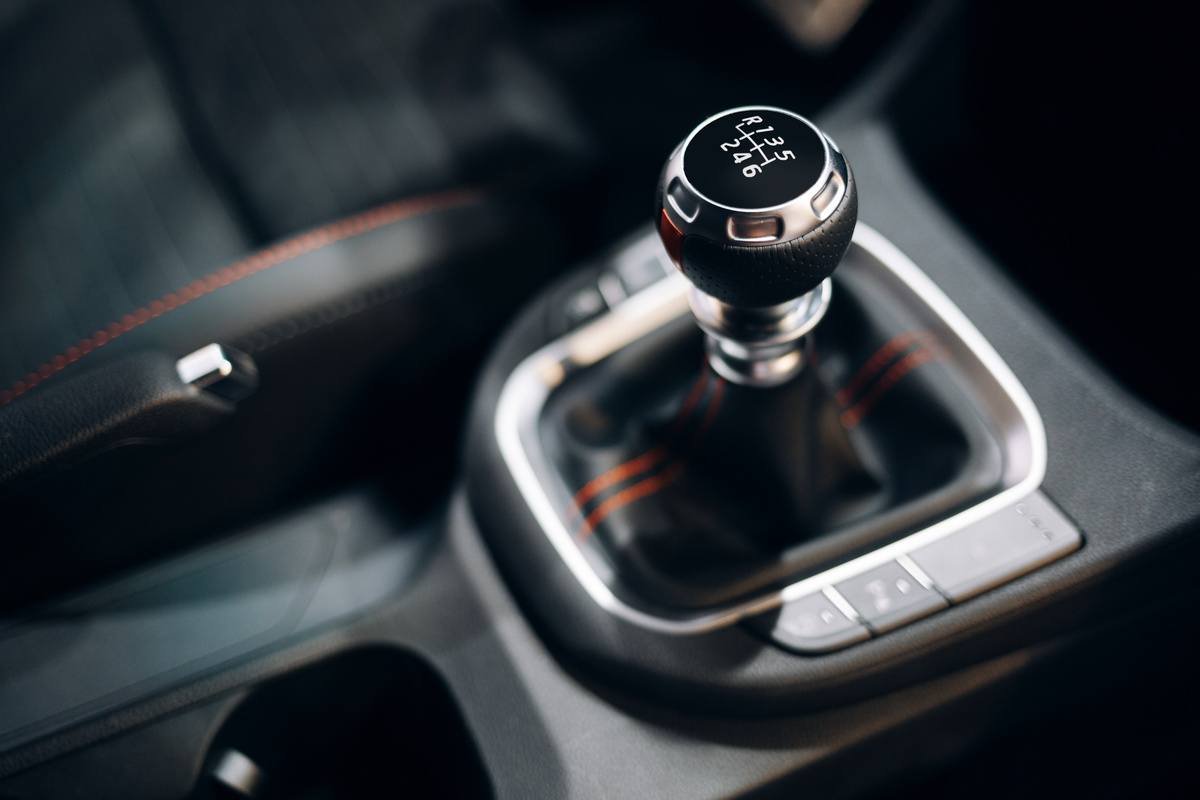
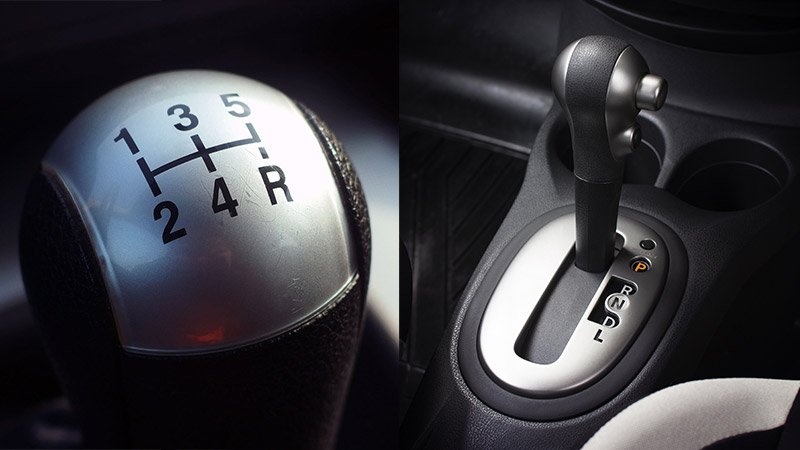
Manual and automatic transmissions operate differently, affecting fuel efficiency. Manual transmissions require drivers to shift gears manually, while automatics handle gear changes automatically. This fundamental difference influences how each type of transmission impacts fuel consumption.

Gear Shifting and Fuel Efficiency

In general, manual transmissions offer greater control over gear selection. Skilled drivers can optimize gear changes to maintain engine efficiency and avoid over-revving. This control can lead to better fuel efficiency in some cases. On the other hand, automatic transmissions shift gears based on preset algorithms, which may not always be as efficient as manual shifting.

2. Fuel Efficiency Factors for Manual Cars

Engine Control

Manual cars allow drivers to control engine RPMs more precisely. By shifting gears at the right moments, drivers can keep the engine running in its optimal power band. This ability to manage engine speed can lead to improved fuel efficiency compared to automatic transmissions that might not always select the most fuel-efficient gear.

Driving Style Impact

Driving style significantly affects fuel efficiency in manual cars. Drivers who shift smoothly and avoid aggressive acceleration can achieve better fuel economy. In contrast, drivers who frequently engage the clutch or shift poorly might see reduced fuel efficiency. Proper driving techniques play a crucial role in maximizing the benefits of a manual transmission.

3. Fuel Efficiency Factors for Automatic Cars

Advanced Technologies

Modern automatic transmissions often feature advanced technologies like continuously variable transmissions (CVTs) and dual-clutch systems. These technologies optimize gear ratios for better fuel efficiency. CVTs, for instance, can provide a seamless range of gears, improving engine efficiency and fuel consumption.

Transmission Programming

Automatic transmissions are programmed to shift gears at specific points for optimal performance. While this programming can enhance driving comfort, it might not always result in the most fuel-efficient gear changes. Some automatics prioritize performance or smoothness over fuel economy, affecting overall efficiency.

4. Comparing Real-World Fuel Efficiency

Manual Car Examples

In real-world scenarios, manual cars often show slightly better fuel efficiency compared to their automatic counterparts. For example, a manual version of a car model might achieve 25 miles per gallon (MPG) while the automatic version achieves 23 MPG. This difference can vary depending on the car make and model, as well as driving conditions.

Automatic Car Examples

Modern automatic cars with advanced transmission technologies can match or even exceed the fuel efficiency of some manual cars. For instance, an automatic equipped with a CVT might achieve 30 MPG, while a manual version of the same model might only achieve 28 MPG. The gap in fuel efficiency is narrowing as automatic transmission technology improves.

5. Driving Conditions and Fuel Efficiency

City vs. Highway Driving

Fuel efficiency can vary based on driving conditions. Manual transmissions may offer advantages in city driving where frequent gear changes are necessary. Skilled manual drivers can optimize shifts to maintain better fuel efficiency in stop-and-go traffic.

Conversely, automatics might perform better in highway driving due to their ability to smoothly handle higher speeds and maintain optimal engine RPMs. CVTs and modern automatics can efficiently manage highway cruising, potentially improving fuel economy on long trips.

Traffic and Driving Habits

Traffic conditions and driving habits also influence fuel efficiency. In congested traffic, a manual transmission might offer better control for efficient gear changes. However, in heavy traffic, frequent gear changes in a manual car might become tiring, making an automatic transmission more convenient despite a potential slight drop in efficiency.

6. Maintenance and Fuel Efficiency

Regular Maintenance

Regular maintenance is crucial for optimal fuel efficiency, regardless of the transmission type. For manual cars, keeping the transmission and engine in good condition ensures smooth operation and better fuel economy. Similarly, maintaining an automatic transmission with regular fluid changes and inspections can help it perform efficiently.

Transmission Health

Transmission health impacts fuel efficiency. A well-maintained manual transmission can contribute to better fuel economy, while an automatic transmission in poor condition might reduce efficiency. Regular checks and timely repairs are essential for maintaining both types of transmissions.

Conclusion

In conclusion, manual cars often offer slightly better fuel efficiency compared to automatics due to greater control over gear shifts and engine RPMs. However, advancements in automatic transmission technology, such as CVTs and dual-clutch systems, have significantly improved their fuel efficiency. Real-world fuel efficiency depends on various factors, including driving conditions, style, and vehicle maintenance. Both manual and automatic transmissions have their advantages, and the best choice depends on individual preferences and driving needs. By understanding these factors, you can make an informed decision and choose a car that aligns with your fuel efficiency goals.

Best Affordable Hybrid Cars

Hybrid cars have become more popular in recent years, offering an eco-friendly alternative to traditional gasoline vehicles. However, many people still believe that hybrid cars are too expensive for the average driver. Fortunately, there are now many affordable hybrid options on the market that combine efficiency, style, and great value. In this article, we’ll explore the best affordable hybrid cars available in 2024 and help you find the perfect match for your needs.

Why Choose an Affordable Hybrid Car?

Choosing one of the best affordable hybrid cars comes with several benefits. First and foremost, they offer excellent fuel efficiency, which means you’ll spend less money on gas over time. This is especially important with today’s fluctuating fuel prices. Additionally, hybrid cars produce fewer emissions than their gasoline-only counterparts, helping you reduce your carbon footprint. Lastly, many affordable hybrid models come with a variety of features and technologies that make driving more enjoyable and safer.

Top Affordable Hybrid Cars of 2024

1. Toyota Corolla Hybrid

The Toyota Corolla Hybrid stands out as one of the best affordable hybrid cars for 2024. Known for its reliability and fuel efficiency, the Corolla Hybrid offers a smooth ride and excellent gas mileage, averaging around 52 miles per gallon combined. This compact sedan also comes equipped with a host of standard safety features, such as adaptive cruise control, lane-keeping assist, and automatic emergency braking. Inside, you’ll find a comfortable and spacious cabin with an easy-to-use infotainment system, making it a great choice for both daily commutes and longer trips.

2. Honda Insight

Another great option among the best affordable hybrid cars is the Honda Insight. The Insight combines the efficiency of a hybrid with the comfort and style of a compact sedan. It offers an impressive fuel economy of up to 55 miles per gallon in the city and 49 on the highway. The Insight also features a refined interior with high-quality materials and ample passenger space. With advanced safety features like forward-collision warning and traffic sign recognition, the Honda Insight provides peace of mind at an affordable price.

3. Hyundai Ioniq Hybrid

The Hyundai Ioniq Hybrid is one of the best affordable hybrid cars for those who prioritize fuel efficiency and technology. The Ioniq Hybrid boasts a combined fuel economy rating of up to 58 miles per gallon, making it one of the most fuel-efficient hybrids on the market. In addition to its impressive gas mileage, the Ioniq offers a modern interior with a user-friendly touchscreen infotainment system, Apple CarPlay, and Android Auto. The Hyundai Ioniq Hybrid is a practical and affordable choice for eco-conscious drivers who don’t want to compromise on technology or comfort.

4. Kia Niro

If you’re looking for a hybrid with a bit more space, the Kia Niro is worth considering. This subcompact SUV offers a versatile interior with plenty of cargo space and a comfortable ride. The Niro also delivers good fuel efficiency, averaging around 50 miles per gallon combined. With a stylish design, a range of available features, and a reasonable price tag, the Kia Niro is one of the best affordable hybrid cars for drivers who need a little more room without sacrificing efficiency.

5. Ford Maverick Hybrid

For those who need a hybrid pickup truck, the Ford Maverick Hybrid is an excellent choice. This compact truck combines the utility of a pickup with the fuel efficiency of a hybrid, offering a combined fuel economy of 37 miles per gallon. The Maverick Hybrid also provides a comfortable cabin, user-friendly tech features, and a surprising amount of storage space. With its affordable price and impressive versatility, the Ford Maverick Hybrid is one of the best affordable hybrid cars for those who need the functionality of a truck without the high cost of fuel.

What to Consider When Choosing an Affordable Hybrid Car

When looking for the best affordable hybrid cars, there are a few factors to keep in mind:

1. Fuel Economy

One of the main reasons to choose a hybrid car is to save on fuel costs. Look for models with high fuel economy ratings to ensure you get the most out of your investment.

2. Features and Technology

Affordable doesn’t have to mean bare-bones. Many budget-friendly hybrids come with a variety of features, from advanced safety systems to modern infotainment options. Decide which features are important to you and look for models that offer them at a reasonable price.

3. Comfort and Space

Consider your needs when it comes to passenger and cargo space. If you frequently travel with family or need room for gear, make sure the hybrid you choose has enough space to accommodate your lifestyle.

4. Reliability

Finally, reliability is crucial when choosing any car, especially if you’re looking for something affordable. Research each model’s reliability ratings and consider choosing a brand known for producing dependable vehicles.

Conclusion

The best affordable hybrid cars of 2024 offer a great mix of fuel efficiency, comfort, and value. Whether you’re looking for a compact sedan, a versatile SUV, or even a hybrid pickup truck, there’s a budget-friendly option out there for you. By considering your needs and preferences, you can find the perfect hybrid that fits your lifestyle and helps you save money at the pump. So, take a look at these great models and make the switch to an affordable hybrid today!

How to Maintain Manual Cars

Owning a manual car comes with unique responsibilities. To ensure your vehicle runs smoothly and lasts for years, proper maintenance is crucial. Here’s a straightforward guide on how to maintain manual cars effectively.

How to Maintain Manual Cars

1. Regularly Check and Change the Transmission Fluid

Importance of Transmission Fluid

One of the most critical maintenance tasks for a manual car is checking and changing the transmission fluid. Transmission fluid lubricates the gearbox and keeps it running smoothly. Over time, the fluid can become dirty or degrade, affecting performance.

How to Check and Change

To check the fluid, locate the transmission dipstick (if equipped) and pull it out. Wipe it clean and reinsert it to check the level and condition. If it’s low or dirty, you’ll need to change it. Follow your vehicle’s manual for the recommended type and interval. Typically, you should change the fluid every 30,000 to 60,000 miles. Always use the type of fluid recommended by the manufacturer.

2. Properly Maintain the Clutch

Clutch Care Tips

The clutch is a vital part of a manual transmission. It allows you to change gears smoothly. To maintain the clutch, avoid riding the clutch pedal. Resting your foot on the pedal can cause unnecessary wear. Also, make sure to fully engage and disengage the clutch when shifting gears.

Signs of Clutch Issues

If you notice problems like slipping, difficulty shifting, or a spongy clutch pedal, these could be signs of clutch wear. Regularly check for these issues and address them promptly. Replacing a worn-out clutch can prevent further damage to the transmission.

3. Use Proper Shifting Techniques

Smooth Gear Changes

Using proper shifting techniques can significantly extend the life of your manual transmission. Always shift gears smoothly and avoid abrupt changes. Rev matching—matching the engine speed with the transmission speed—can help reduce wear on the gearbox. Avoiding excessive high revs and shifting at appropriate engine speeds also contributes to a longer-lasting transmission.

Avoid Over-Reving

Over-revving the engine puts extra stress on the transmission. Pay attention to the tachometer and shift before reaching the redline. Driving within the recommended RPM range can prevent excessive wear and tear.

4. Regularly Inspect the Gearbox

Visual Inspections

Regularly inspecting your gearbox can help identify potential issues early. Look for signs of leaks or unusual noises. If you notice fluid leaks, strange sounds, or difficulty shifting gears, have your gearbox checked by a professional mechanic.

Scheduled Inspections

Along with visual checks, follow the maintenance schedule in your vehicle’s manual. Regular inspections by a qualified mechanic can help ensure that your manual transmission remains in good condition.

5. Keep the Clutch Pedal and Linkage in Good Shape

Clutch Pedal Adjustment

Ensure the clutch pedal is properly adjusted. If the pedal feels too high or too low, it might need adjustment. A properly adjusted pedal ensures smooth engagement and disengagement of the clutch.

Check the Linkage

The linkage connecting the clutch pedal to the transmission should also be inspected regularly. Ensure it operates smoothly and is free of excessive play or binding. Proper linkage function is essential for smooth gear changes.

6. Pay Attention to Driving Conditions

Adapt to Different Conditions

Driving conditions can impact the longevity of your manual transmission. In stop-and-go traffic or hilly terrain, the transmission and clutch experience more stress. Be mindful of how driving conditions affect your vehicle and adjust your driving habits accordingly.

Practice Good Driving Habits

To reduce wear on your manual transmission, practice good driving habits. Avoid riding the clutch, use smooth gear shifts, and try to anticipate traffic conditions to minimize unnecessary gear changes.

7. Use the Right Parts and Fluids

Follow Manufacturer Recommendations

Always use parts and fluids recommended by the vehicle manufacturer. Using the correct type of transmission fluid, clutch parts, and other components ensures compatibility and performance. Following manufacturer recommendations helps maintain the reliability and efficiency of your manual transmission.

Avoid Aftermarket Parts

While aftermarket parts can be tempting, they might not meet the same standards as OEM (original equipment manufacturer) parts. Stick to OEM parts to ensure proper fit and performance, which can contribute to the longevity of your manual transmission.

Conclusion

Maintaining a manual car requires attention to detail and proper care. By regularly checking and changing the transmission fluid, properly maintaining the clutch, using good shifting techniques, and keeping the gearbox and linkage in good shape, you can ensure your manual car runs smoothly. Additionally, adapting to driving conditions, using the right parts, and following manufacturer recommendations will help you get the most out of your manual transmission. With these practices, you can enjoy a reliable and enjoyable driving experience with your manual car.

How to Choose Between Hybrid and Electric Cars

Choosing a new car can be exciting, but with so many options available today, it can also feel overwhelming. Among the most popular choices are hybrid and electric cars. These vehicles offer unique benefits and cater to different lifestyles and needs. But how do you decide between hybrid and electric cars? In this guide, we’ll break down the key differences, benefits, and considerations to help you make an informed decision.

Understanding the Basics of Hybrid and Electric Cars

Before we dive into choosing between hybrid and electric cars, let’s clarify what each type of vehicle is.

Hybrid Cars:
Hybrid cars use a combination of a gasoline engine and an electric motor. The two power sources work together to maximize fuel efficiency and reduce emissions. Hybrids are great for those who want the best of both worlds—gasoline and electric.

Electric Cars:
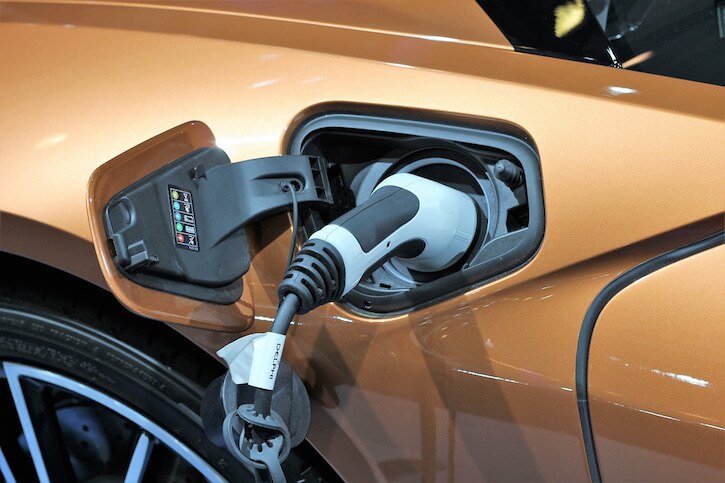
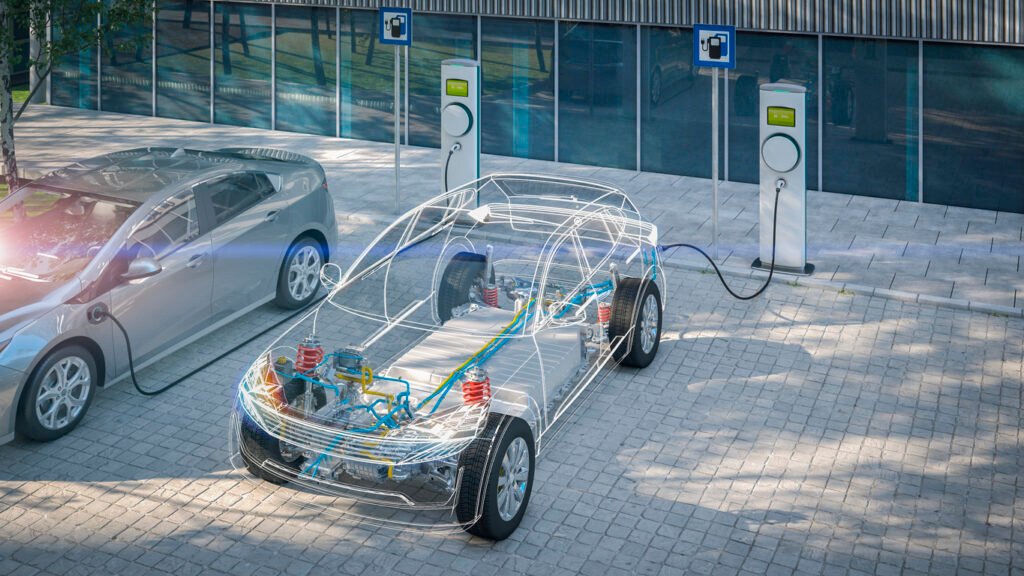
Electric cars (EVs) run solely on electricity. They have a large battery that powers an electric motor, and they need to be plugged into a charging station to recharge. EVs produce zero emissions while driving, making them a great choice for environmentally conscious drivers.

Benefits of Hybrid Cars

1. Extended Driving Range

One of the main advantages of hybrid cars is their extended driving range. Because they use both gasoline and electricity, hybrids can travel longer distances without needing to refuel or recharge. This is especially beneficial for long road trips or areas with limited access to charging stations.

2. Fuel Efficiency

Hybrids are designed to optimize fuel consumption. They use the electric motor at low speeds and rely on the gasoline engine for higher speeds or when more power is needed. This dual system reduces fuel usage and can save you money at the pump over time.

3. Lower Emissions

While not as environmentally friendly as electric cars, hybrids still produce fewer emissions than traditional gasoline vehicles. This makes them a good option for those who want to reduce their carbon footprint but are not ready to go fully electric.

Benefits of Electric Cars

1. Zero Emissions

Electric cars are known for their zero-emission driving. Since they don’t burn gasoline, they don’t produce exhaust emissions, making them an excellent choice for environmentally conscious drivers. EVs are a great way to contribute to cleaner air and reduce your impact on the planet.

2. Lower Operating Costs

While electric cars can be more expensive upfront, they typically have lower operating costs. Electricity is often cheaper than gasoline, and EVs require less maintenance since they have fewer moving parts. Over time, these savings can add up, making electric cars a cost-effective choice.

3. Smooth and Quiet Ride

Electric cars offer a smooth and quiet driving experience. The electric motor provides instant torque, resulting in quick acceleration without the noise associated with gasoline engines. This can make driving more enjoyable and less stressful, especially in urban areas with frequent stop-and-go traffic.

Key Considerations When Choosing Between Hybrid and Electric Cars

Now that we’ve covered the benefits of hybrid and electric cars, let’s discuss some factors to consider when deciding which type of vehicle is right for you.

1. Driving Habits

Think about your daily driving habits. If you frequently take long trips or live in an area with limited charging infrastructure, a hybrid car might be more practical. However, if you have a short daily commute and access to charging stations, an electric car could be a great fit.

2. Budget

Budget is another important factor. Hybrid cars tend to be more affordable upfront than electric cars, but they still offer fuel savings and reduced emissions. Electric cars, on the other hand, can be more expensive to purchase, but they often qualify for tax incentives and have lower operating costs over time.

3. Environmental Impact

Consider how important reducing your environmental impact is to you. If driving a vehicle with zero emissions is a top priority, an electric car is the clear choice. However, if you want to make a positive impact but aren’t ready to go fully electric, a hybrid car still offers significant environmental benefits compared to traditional gasoline vehicles.

4. Access to Charging Infrastructure

If you’re leaning toward an electric car, make sure you have convenient access to charging stations. Charging at home is ideal for most EV owners, but you’ll also want to ensure there are public charging options available, especially if you plan to take longer trips.

Conclusion

Deciding between hybrid and electric cars comes down to your lifestyle, budget, and priorities. Both types of vehicles offer unique benefits and can help you reduce your carbon footprint and save on fuel costs. By considering your driving habits, budget, environmental impact, and access to charging infrastructure, you can choose the vehicle that best fits your needs. Whether you opt for a hybrid or an electric car, you’ll be making a positive choice for the environment and your wallet.