

AlternativeAutomobile29
Search for:
Comparing Hybrid Vehicles and Electric Cars

As the automotive industry shifts toward greener technologies, both hybrid vehicles and electric cars have gained popularity for their potential to reduce emissions and improve fuel efficiency. While they share some similarities, these two types of vehicles operate differently and offer distinct advantages. In this post, we’ll compare hybrid vehicles and electric cars, examining their key features, benefits, and considerations to help you make an informed decision.

Comparing Hybrid Vehicles and Electric Cars

1. How They Work: Understanding the Basics

Hybrid Vehicles: A Blend of Power Sources

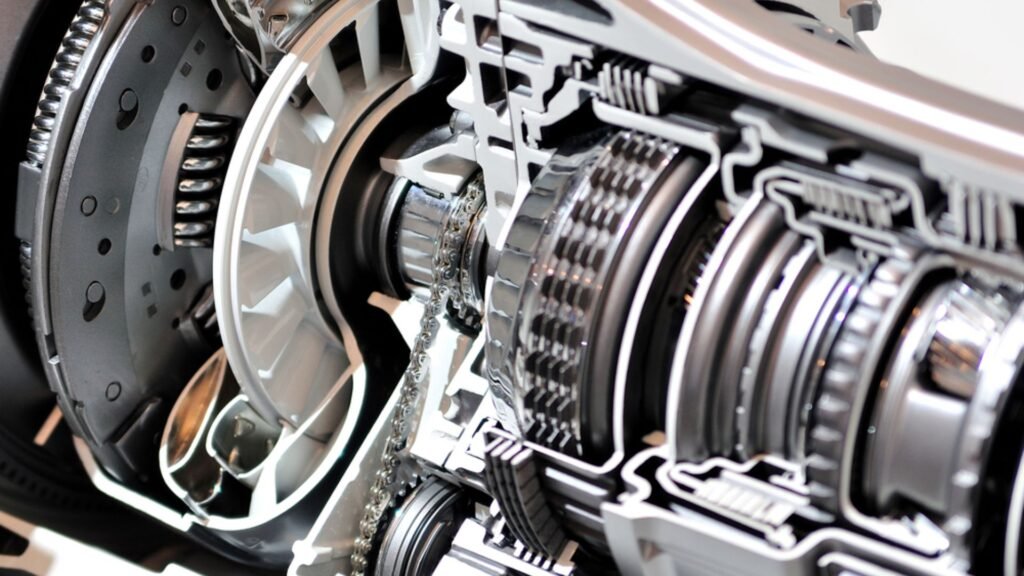
Hybrid vehicles combine an internal combustion engine (ICE) with one or more electric motors. They use the ICE to power the vehicle at higher speeds and rely on the electric motor for lower speeds and short trips. The vehicle’s battery is recharged through regenerative braking and, in some cases, the ICE itself.

There are two main types of hybrids: full hybrids and plug-in hybrids. Full hybrids (HEVs) can switch between the ICE and electric motor, while plug-in hybrids (PHEVs) can be charged via an external power source, allowing for longer electric-only driving.

Electric Cars: Pure Electric Power

Electric cars, on the other hand, are powered entirely by electricity. They use one or more electric motors and rely solely on energy stored in a rechargeable battery. Unlike hybrids, electric cars do not have an internal combustion engine.

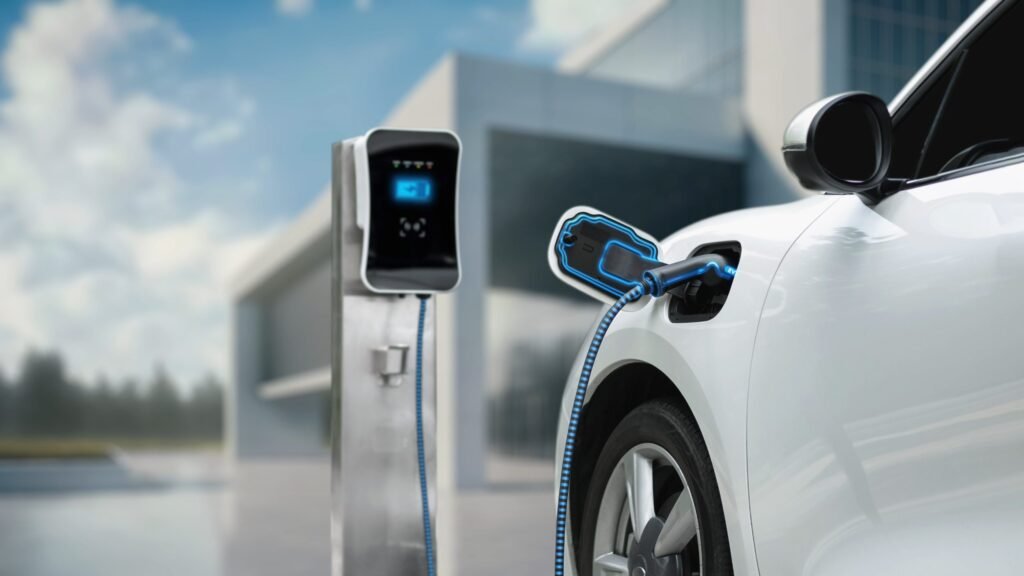
Electric cars need to be charged from an external power source, such as a home charging station or public charging infrastructure. They offer zero tailpipe emissions, making them a popular choice for those seeking to minimize their environmental impact.

2. Performance and Efficiency: What to Expect

Hybrid Vehicles: Versatile and Efficient

Hybrid vehicles offer a versatile driving experience, combining the benefits of electric power with the extended range provided by the ICE. They are particularly efficient in stop-and-go traffic, where the electric motor handles acceleration and the ICE takes over during highway driving.

While hybrids typically offer good fuel efficiency, their overall performance can vary depending on the model and type of hybrid. PHEVs generally provide better electric-only range and fuel efficiency compared to standard HEVs.

Electric Cars: Instant Torque and Smooth Driving

Electric cars excel in performance due to their instant torque and smooth acceleration. With no gears to shift, electric cars offer a seamless driving experience. They also tend to have lower running costs since they rely solely on electricity, which is often cheaper than gasoline.

Electric cars have the advantage of zero tailpipe emissions, which contributes to reduced air pollution and a smaller carbon footprint. However, their driving range can be limited by battery capacity, and longer trips may require planning for charging stops.

3. Environmental Impact: Green Choices

Hybrid Vehicles: Reduced Emissions

Hybrid vehicles reduce emissions compared to traditional gasoline-powered cars, thanks to their use of electric power. However, they still rely on fossil fuels, meaning they produce some level of emissions. Hybrids are an excellent choice for those looking to improve fuel efficiency and reduce their environmental impact without completely transitioning away from gasoline.

Electric Cars: Zero Emissions

Electric cars are the most environmentally friendly option, as they produce zero tailpipe emissions. The overall environmental impact depends on how the electricity used to charge the vehicle is generated. If the electricity comes from renewable sources, the environmental benefits are even greater. Electric cars contribute significantly to reducing air pollution and greenhouse gas emissions.

4. Costs and Incentives: What to Consider

Hybrid Vehicles: Cost-Effective and Incentive-Friendly

Hybrid vehicles generally have a higher initial cost compared to traditional gasoline cars, but they can offer savings on fuel costs over time. Many hybrids also qualify for government incentives and tax credits, which can help offset the purchase price.

Maintenance costs for hybrids can be lower than those for traditional vehicles, as the electric motor reduces wear and tear on the ICE. However, hybrid batteries may need replacement over time, which can be costly.

Electric Cars: Higher Initial Costs but Long-Term Savings

Electric cars often have a higher initial purchase price compared to both hybrids and gasoline vehicles. However, they benefit from lower running costs and significant savings on fuel. Many governments offer incentives and tax credits for electric car buyers, which can help reduce the overall cost.

Electric cars also typically have lower maintenance costs due to fewer moving parts and no need for oil changes. Battery replacement can be expensive, but advancements in battery technology and warranties can mitigate this cost.

5. Convenience and Practicality: Daily Use

Hybrid Vehicles: Flexible and Practical

Hybrids offer flexibility in terms of refueling, as they can be powered by gasoline and do not require frequent charging. This makes them suitable for long trips and reduces range anxiety. They also offer good overall practicality for daily driving.

Electric Cars: Growing Convenience with Infrastructure

Electric cars require access to charging infrastructure, which is improving but may still be limited in some areas. Home charging stations provide convenience, but public charging availability is crucial for long trips. Advances in fast-charging technology are making long-distance travel more feasible for electric car owners.

Conclusion

In conclusion, both hybrid vehicles and electric cars offer significant benefits in terms of fuel efficiency and environmental impact. Hybrids provide a practical and flexible solution with reduced emissions and good performance, while electric cars offer zero tailpipe emissions and lower running costs. Your choice between the two will depend on your driving habits, environmental priorities, and budget. By understanding the key differences and advantages, you can select the vehicle that best meets your needs and contributes to a greener future.

How to Ship a Vintage Car Safely

Shipping a vintage car requires careful planning and attention to detail. The goal is to ensure your classic vehicle arrives at its destination in the same pristine condition it left. Whether you’re relocating, selling, or just moving your prized possession, understanding how to ship a vintage car safely can save you from potential headaches and costly damage. In this guide, we’ll cover essential steps and tips to help you navigate the shipping process with ease.

Why Shipping a Vintage Car Requires Special Care

Vintage cars are unique not just in their design but also in their value and condition. Unlike modern vehicles, they often have delicate parts, rare components, and irreplaceable finishes that need extra protection during transit. Therefore, knowing how to ship a vintage car safely involves more than just packing it up and sending it off. It requires a thoughtful approach to ensure that every aspect of the car is safeguarded.

Steps to Prepare for Shipping Your Vintage Car

Before shipping your vintage car, proper preparation is key. Follow these steps to ensure a smooth process:

1. Choose the Right Shipping Method

Deciding on the best shipping method is crucial. There are primarily two options: enclosed transport and open transport.

Enclosed Transport

Enclosed transport is often the preferred method for vintage cars because it offers the most protection from environmental elements and road debris. An enclosed trailer shields your vehicle from rain, dust, and potential damage. This method is particularly suitable for high-value or rare models.

Open Transport

Open transport is more common and less expensive but exposes your car to the elements. If you choose this method, ensure that the transport company has a good track record of handling vintage cars and can provide adequate protection during the journey.

2. Inspect and Document Your Car

Before shipping, thoroughly inspect your vintage car and document its condition. Take detailed photos from various angles, including the interior and exterior. This documentation will be valuable for insurance purposes and for resolving any potential disputes about damage that may occur during shipping.

Check for Existing Damage

Document any existing scratches, dents, or other imperfections. This will help you compare the car’s condition before and after shipping and will be useful if you need to file a claim for damage.

3. Prepare Your Car for Shipping

Proper preparation is essential to protect your vintage car during transit.

Clean Your Car

Give your car a thorough wash. A clean car allows you and the shipping company to inspect it more easily and ensures that no dirt or grime interferes with the inspection process.

Remove Personal Belongings

Remove all personal items from the car. While this might seem obvious, personal belongings can shift during transport and potentially cause damage. Additionally, many transport companies have policies that prohibit leaving items in the car.

Check Fluid Levels and Battery

Ensure that fluid levels are adequate and that the battery is charged. It’s also a good idea to ensure that your car is in good working order, as some transport companies may require it to be operational for loading and unloading.

4. Choose a Reputable Shipping Company

Selecting the right shipping company is crucial for a smooth and safe transport process. Look for companies that specialize in shipping vintage and classic cars. Check reviews, ask for recommendations, and ensure the company has proper insurance coverage.

Verify Insurance Coverage

Confirm that the shipping company provides adequate insurance coverage for vintage vehicles. This insurance will protect you in case of any damage or loss during transit.

5. Monitor the Shipping Process

Stay informed about the shipping process and maintain communication with the transport company.

Track Your Shipment

Many shipping companies offer tracking services, allowing you to monitor your car’s journey. This can provide peace of mind and help you stay updated on the estimated arrival time.

Inspect Upon Arrival

Once your vintage car arrives, inspect it thoroughly before accepting the delivery. Compare its condition with the documentation you prepared earlier. If you notice any damage, document it immediately and report it to the shipping company.

Conclusion

Understanding how to ship a vintage car safely involves careful planning and attention to detail. From choosing the right shipping method to preparing your car and selecting a reputable company, each step plays a vital role in ensuring your classic vehicle arrives in excellent condition. By following these guidelines, you can minimize risks and protect your investment, allowing you to enjoy your vintage car for years to come.

Innovations in Hybrid Vehicles Technology

Hybrid vehicles combine traditional internal combustion engines with electric propulsion systems to offer improved fuel efficiency and reduced emissions. Over the years, hybrid technology has evolved significantly, leading to advancements that make these vehicles more efficient, powerful, and eco-friendly. In this post, we’ll explore the latest innovations in hybrid vehicle technology and how they are shaping the future of transportation.

Innovations in Hybrid Vehicles Technology

1. Advanced Battery Technologies: Extending Range and Performance

One of the most significant innovations in hybrid vehicle technology is the advancement in battery technology. Modern hybrid vehicles utilize advanced lithium-ion batteries that offer higher energy density, faster charging times, and longer lifespans compared to older nickel-metal hydride (NiMH) batteries.

These new batteries not only enhance the vehicle’s overall performance but also extend the driving range of hybrid vehicles, making them more practical for everyday use. Additionally, researchers are working on next-generation battery technologies, such as solid-state batteries, which promise even greater efficiency and safety. By continuously improving battery technology, manufacturers can provide more reliable and longer-lasting hybrid vehicles.

2. Plug-in Hybrid Electric Vehicles (PHEVs): Increasing Flexibility

Plug-in Hybrid Electric Vehicles (PHEVs) represent a major leap forward in hybrid technology. Unlike traditional hybrids that rely solely on regenerative braking and engine power to recharge their batteries, PHEVs can be plugged into an external power source to charge their batteries. This allows PHEVs to drive longer distances on electric power alone before switching to the internal combustion engine.

PHEVs offer increased flexibility and fuel efficiency, as drivers can use electric power for short trips and rely on the gasoline engine for longer journeys. This technology bridges the gap between fully electric vehicles and traditional hybrids, offering a practical solution for reducing emissions and fuel consumption.

3. Regenerative Braking Systems: Enhancing Energy Efficiency

Regenerative braking systems are another key innovation in hybrid technology. These systems capture and convert the kinetic energy generated during braking into electrical energy, which is then stored in the battery for later use. This process not only improves the vehicle’s overall energy efficiency but also reduces wear on traditional braking components.

By utilizing regenerative braking, hybrid vehicles can achieve higher fuel efficiency and extend the driving range. This technology is becoming increasingly sophisticated, with advances in control algorithms and energy management systems that optimize the regenerative braking process for maximum efficiency.

4. Intelligent Energy Management: Optimizing Power Usage

Intelligent energy management systems are revolutionizing how hybrid vehicles use and distribute power. These systems use advanced algorithms and sensors to monitor driving conditions, battery levels, and energy consumption. They then optimize the interaction between the electric motor and the internal combustion engine to provide the best possible performance and fuel efficiency.

For example, intelligent energy management systems can determine when to switch between electric and gasoline power based on factors such as speed, acceleration, and driving terrain. This dynamic management ensures that the vehicle operates efficiently under varying conditions, enhancing both fuel economy and overall driving experience.

5. Enhanced Aerodynamics: Improving Efficiency

Aerodynamics play a crucial role in the efficiency of hybrid vehicles. Modern hybrid vehicles incorporate advanced aerodynamic designs to reduce drag and improve fuel efficiency. Features such as active grille shutters, rear spoilers, and underbody panels help streamline airflow around the vehicle, reducing resistance and improving overall efficiency.

By optimizing aerodynamics, manufacturers can enhance the performance of hybrid vehicles, allowing them to achieve better fuel economy and higher top speeds. This focus on aerodynamic innovation is part of a broader effort to make hybrid vehicles more competitive with traditional gasoline-powered cars.

6. Lightweight Materials: Reducing Vehicle Weight

Reducing vehicle weight is another important innovation in hybrid technology. Lightweight materials such as carbon fiber, aluminum, and high-strength steel are increasingly used in the construction of hybrid vehicles. These materials help lower the vehicle’s overall weight, which in turn improves fuel efficiency and handling.

By incorporating lightweight materials, manufacturers can offset the added weight of the hybrid battery and electric motor, ensuring that the vehicle remains agile and efficient. This approach not only enhances performance but also contributes to better fuel economy and reduced emissions.

7. Advanced Driver Assistance Systems (ADAS): Enhancing Safety

Advanced Driver Assistance Systems (ADAS) are becoming increasingly common in hybrid vehicles, providing enhanced safety and convenience features. Technologies such as adaptive cruise control, lane-keeping assist, and automatic emergency braking are integrated into hybrid vehicles to improve driver safety and reduce the likelihood of accidents.

These systems use sensors, cameras, and radar to monitor the vehicle’s surroundings and assist the driver in making safer decisions. By incorporating ADAS, hybrid vehicles offer a higher level of safety and help drivers navigate complex driving conditions with greater ease.

Conclusion

In conclusion, innovations in hybrid vehicle technology are transforming the automotive industry, making hybrid vehicles more efficient, powerful, and eco-friendly. Advances in battery technology, regenerative braking, and intelligent energy management systems are driving the evolution of hybrid vehicles, while enhancements in aerodynamics, lightweight materials, and driver assistance systems contribute to improved performance and safety. As these technologies continue to develop, hybrid vehicles will play an increasingly important role in the future of transportation, offering a sustainable solution to meet the demands of modern driving.

Hybrid Vehicle Tire Maintenance
Tips for Hybrid Vehicle Tire Maintenance

Maintaining your hybrid vehicle’s tires is crucial for ensuring safety, performance, and fuel efficiency. Hybrid vehicles, with their unique powertrain systems, place specific demands on tires. Effective hybrid vehicle tire maintenance helps to maximize the lifespan of your tires and keep your vehicle running smoothly. Let’s get into some essential tips for keeping your hybrid vehicle’s tires in top condition.

Understanding Hybrid Vehicle Tire Maintenance

Hybrid vehicle tire maintenance is slightly different from that of traditional vehicles due to the hybrid’s unique driving dynamics. Since hybrid vehicles often have a battery that can affect weight distribution and acceleration, the way you maintain your tires needs to account for these factors. By focusing on proper care, you can ensure that your tires perform efficiently and last longer.

Hybrid Vehicle Tire Maintenance

1. Regularly Check Tire Pressure

Maintaining the correct tire pressure is one of the most important aspects of hybrid vehicle tire maintenance. Under-inflated tires can lead to reduced fuel efficiency and increased tire wear. On the other hand, over-inflated tires can cause a harsh ride and uneven wear. Check your tire pressure at least once a month and adjust it according to the manufacturer’s specifications. Properly inflated tires help improve your hybrid’s fuel efficiency and overall handling.

2. Rotate Your Tires Regularly

Tire rotation is a key component of hybrid vehicle tire maintenance. Since the weight distribution and driving dynamics of hybrid vehicles can cause uneven tire wear, rotating your tires regularly helps ensure even wear. Most experts recommend rotating your tires every 5,000 to 8,000 miles. Following this routine can extend the lifespan of your tires and contribute to a smoother ride.

3. Check for Tire Alignment

Proper tire alignment is essential for hybrid vehicle tire maintenance. Misaligned tires can cause uneven wear and affect your vehicle’s handling. If you notice your vehicle pulling to one side or if the steering wheel vibrates, it might be time to check the alignment. Regularly checking and adjusting the alignment can prevent premature tire wear and improve driving comfort.

4. Inspect Tires for Damage

Regularly inspect your tires for signs of damage such as cuts, punctures, or bulges. These issues can lead to unsafe driving conditions and reduce the lifespan of your tires. If you find any damage, have it inspected by a professional to determine if the tire can be repaired or needs replacement.

5. Maintain Proper Tire Tread Depth

Tire tread depth is critical for maintaining traction and safety. The tread depth should be checked regularly to ensure it meets the minimum safety requirements. Many hybrid vehicles have tread wear indicators that show when it’s time to replace your tires. Adequate tread depth helps ensure good grip on the road, especially in adverse weather conditions.

6. Balance Your Tires

Tire balancing is another important aspect of hybrid vehicle tire maintenance. Unbalanced tires can cause vibrations and lead to uneven wear. Balancing your tires helps distribute weight evenly, improving the vehicle’s ride quality and handling. Most professionals recommend having your tires balanced when you get new tires or during regular maintenance.

7. Monitor Tire Wear Patterns

Pay attention to any unusual wear patterns on your tires. Uneven wear can indicate issues such as improper alignment, unbalanced tires, or suspension problems. Addressing these issues promptly can prevent further tire damage and ensure your vehicle remains safe and efficient.

8. Use Quality Tires

Investing in high-quality tires can significantly impact your hybrid vehicle’s performance and safety. Premium tires often offer better durability, improved handling, and enhanced fuel efficiency. Consult your vehicle’s manufacturer or a tire professional to select the best tires for your hybrid.

9. Drive Smoothly

How you drive affects your tires’ lifespan. Aggressive driving, such as rapid acceleration and hard braking, can cause excessive wear. Practicing smooth driving habits helps reduce tire stress and extends their life. Gentle acceleration and braking contribute to more even tire wear and better fuel efficiency.

10. Keep Your Vehicle Clean

Regular cleaning of your vehicle, including the wheels and tires, helps prevent the buildup of debris and brake dust that can affect tire performance. Keeping your vehicle clean also allows for easier inspection of tire conditions and any potential issues.

11. Address Suspension Issues

The suspension system plays a crucial role in tire maintenance. Worn-out suspension components can lead to uneven tire wear and affect your vehicle’s handling. If you notice any issues with your suspension, such as unusual noises or poor handling, have it checked by a professional to ensure it’s in good condition?

12. Be Aware of Seasonal Changes

Seasonal changes can affect your tire’s performance. In colder weather, tires may become more rigid and less effective. In warmer weather, tires can wear out more quickly. Be aware of these changes and consider using seasonal tires if necessary to maintain optimal performance.

13. Replace Tires in Pairs

When replacing tires, it’s often best to replace them in pairs rather than individually. Replacing tires in pairs helps maintain balanced handling and stability. If you’re replacing only one tire, make sure it matches the existing ones in terms of brand, type, and tread pattern.

Conclusion

Proper hybrid vehicle tire maintenance is essential for safety, performance, and longevity. By regularly checking tire pressure, rotating tires, and addressing issues promptly, you can enhance your vehicle’s efficiency and extend the life of your tires. Implementing these tips will help ensure a smoother and safer driving experience for your hybrid vehicle.

Community Events for Vintage Cars Enthusiasts

For vintage car enthusiasts, community events offer an exciting opportunity to celebrate their passion, connect with like-minded individuals, and learn more about their favorite classic vehicles. These events not only showcase beautiful vintage cars but also provide a space for networking, education, and enjoyment. In this post, we’ll explore some of the most popular community events for vintage car enthusiasts, helping you find the perfect event to attend.

Community Events for Vintage Cars Enthusiasts

1. Classic Car Shows: A Showcase of Automotive History

Classic car shows are among the most popular community events for vintage car enthusiasts. These events gather a wide variety of vintage cars, ranging from early 20th-century models to classic muscle cars. Attendees have the chance to admire these beautifully restored vehicles up close, interact with their owners, and learn about their history.

Many classic car shows also feature awards and trophies for various categories, such as Best in Show, Best Restoration, and Best Original. These awards recognize the dedication and craftsmanship of car owners and restorers. Participating in or attending a classic car show is a fantastic way to immerse yourself in the vintage car community and celebrate automotive history.

2. Restoration Workshops: Enhancing Your Skills

Restoration workshops provide valuable learning experiences for vintage car enthusiasts looking to improve their restoration skills. These workshops are often hosted by experienced restorers, mechanics, and car clubs, and cover a range of topics, from basic maintenance to advanced restoration techniques.

Participants can gain hands-on experience, receive expert advice, and learn about the latest tools and techniques for restoring vintage cars. Whether you’re a seasoned restorer or a newcomer eager to learn, attending a restoration workshop can enhance your skills and deepen your understanding of the restoration process.

3. Cruise Nights: Social Gatherings and Scenic Drives

Cruise nights offer a relaxed and social atmosphere for vintage car enthusiasts to enjoy. These events typically involve a gathering of classic cars at a designated location, followed by a scenic drive or cruise through the local area. Cruise nights are often held in conjunction with other community events, such as local fairs or festivals.

Attendees can socialize with fellow car enthusiasts, showcase their own vehicles, and enjoy a leisurely drive through picturesque routes. Cruise nights are a great way to connect with the vintage car community in a casual setting while celebrating your love for classic cars.

4. Swap Meets: Finding Parts and Memorabilia

Swap meets are bustling events where vintage car enthusiasts can buy, sell, and trade automotive parts, accessories, and memorabilia. These events attract vendors from various regions, offering a wide selection of items, from hard-to-find parts to vintage car literature and collectibles.

Attending a swap meet can be an excellent opportunity to find rare or discontinued parts for your vintage car, as well as to network with other enthusiasts and experts. It’s also a great place to discover unique memorabilia and add to your collection of vintage car-related items.

5. Charity Drives: Giving Back to the Community

Charity drives and fundraising events bring vintage car enthusiasts together for a good cause. These events often involve a rally or cruise where participants drive their classic cars to raise money for various charities and community organizations.

Charity drives provide a meaningful way to enjoy your vintage car while supporting important causes. They also offer a chance to meet other enthusiasts who share your passion for both classic cars and community service. By participating in a charity drive, you can make a positive impact while celebrating your love for vintage automobiles.

6. Concours d’Elegance: Celebrating Automotive Excellence

Concours d’Elegance events are prestigious gatherings that celebrate the finest examples of vintage and classic cars. These events often feature rare and high-value vehicles, meticulously restored and presented in pristine condition. Judges evaluate the cars based on various criteria, including authenticity, quality of restoration, and overall presentation.

Attending a Concours d’Elegance allows you to witness automotive excellence and appreciate the craftsmanship of rare and collectible vehicles. It’s also an opportunity to network with other collectors, restorers, and enthusiasts who share your appreciation for high-quality classic cars.

7. Vintage Racing Events: Experience the Thrill of Classic Motorsport

Vintage racing events offer an exciting way to experience classic cars in action. These events feature vintage cars competing on the track, showcasing their performance and speed in a historic racing format. Spectators can enjoy the thrill of watching these classic vehicles race, while participants get the chance to drive their cars in a competitive setting.

Vintage racing events often attract a diverse range of classic cars, from early sports cars to muscle cars. Attending or participating in these events provides a unique opportunity to see vintage cars perform at their best and connect with other racing enthusiasts.

Conclusion

Community events for vintage car enthusiasts offer a wide range of experiences, from classic car shows and restoration workshops to charity drives and vintage racing. These events provide opportunities to celebrate automotive history, enhance your skills, and connect with fellow enthusiasts. Whether you’re attending a local cruise night or participating in a prestigious Concours d’Elegance, these gatherings allow you to immerse yourself in the world of vintage cars and enjoy the camaraderie of like-minded individuals. Explore these events and find the ones that best suit your interests and passions.

Guide to Preservation Techniques for Vintage Cars

Preserving a vintage car is more than just a hobby; it’s a commitment to safeguarding a piece of automotive history. Unlike regular vehicles, vintage cars require special care and attention to maintain their integrity, functionality, and value. Whether you’re a seasoned collector or a new enthusiast, understanding the right preservation techniques is crucial. In this guide, we’ll explore the most effective ways to preserve your vintage car, ensuring it remains a cherished possession for years to come.

Guide to Preservation Techniques for Vintage Cars

1. Regular Cleaning: Keeping the Exterior Pristine

Regular cleaning is the first step in preserving your vintage car. Dirt, dust, and grime can accumulate on the vehicle’s surface, leading to corrosion and damage over time. To prevent this, wash your car frequently using gentle, non-abrasive cleaners.

When washing, avoid high-pressure water hoses that can damage the car’s paint or trim. Instead, use a soft cloth or sponge to clean the exterior, paying special attention to areas where dirt tends to accumulate, such as the wheel wells and undercarriage. After washing, always dry the car thoroughly to prevent water spots and rust formation.

2. Proper Storage: Shielding from the Elements

Proper storage is essential for preserving your vintage car. Exposure to extreme weather conditions—whether it’s the scorching sun, heavy rain, or freezing temperatures—can cause significant damage over time. Therefore, storing your car in a climate-controlled environment is ideal.

If indoor storage isn’t available, consider using a high-quality car cover to protect your vehicle from the elements. Additionally, ensure that the storage area is clean, dry, and well-ventilated to prevent moisture buildup, which can lead to rust and mildew.

3. Routine Maintenance: Keeping the Engine and Mechanical Parts Healthy

Routine maintenance is key to keeping your vintage car running smoothly. Regular oil changes, fluid checks, and engine inspections are crucial for preventing mechanical issues. It’s important to use the correct type of oil and fluids, as specified by the car’s manufacturer, to ensure optimal performance.

Check the car’s belts, hoses, and wiring for signs of wear and tear, and replace them as needed. Additionally, run the engine periodically, even if you’re not driving the car regularly. This helps keep the engine lubricated and prevents parts from seizing due to inactivity.

4. Tire Care: Ensuring Longevity and Safety

Tires are often overlooked in preservation efforts, but they play a vital role in the safety and longevity of your vintage car. Over time, tires can develop flat spots if the car is stationary for long periods. To prevent this, consider using tire jacks or stands to lift the car off the ground, relieving pressure on the tires.

Regularly check tire pressure and inflate them to the recommended levels to avoid cracks and deterioration. If your car is stored for extended periods, rotating the tires occasionally can also help distribute wear evenly, extending their lifespan.

5. Protecting the Interior: Preserving Upholstery and Trim

The interior of your vintage car is just as important as the exterior when it comes to preservation. Sunlight can cause upholstery and trim to fade or crack over time. To protect the interior, use sunshades on the windows when the car is parked, especially if it’s stored outdoors.

Leather seats and trim require special care, so clean and condition them regularly with products designed specifically for automotive leather. For fabric interiors, vacuuming and spot-cleaning will help keep the upholstery in good condition. Additionally, consider using seat covers to protect the original material from wear and tear.

6. Preventing Rust: The Enemy of Vintage Cars

Rust is one of the biggest threats to vintage cars, especially for older models with less advanced corrosion protection. To prevent rust, keep your car clean and dry, and apply a protective wax coating to the exterior. This creates a barrier against moisture and contaminants that can cause rust to form.

Inspect the car regularly for any signs of rust, especially in areas prone to moisture buildup, such as the undercarriage and wheel wells. If you find any rust spots, address them immediately to prevent further damage. In some cases, professional rust treatment may be necessary to fully protect your vehicle.

7. Documentation and Records: Keeping a Detailed History

Finally, maintaining thorough documentation and records is an often-overlooked aspect of vintage car preservation. Keep a detailed log of all maintenance, repairs, and upgrades, as well as any historical information about the car. This not only helps you keep track of the car’s condition but also adds value if you decide to sell it in the future.

Proper documentation provides a clear history of the vehicle, demonstrating that it has been well cared for over the years. It can also help you plan future maintenance and preservation efforts, ensuring that your vintage car remains in top condition.

Conclusion

Preserving a vintage car requires dedication and attention to detail, but the rewards are well worth the effort. By following these preservation techniques—regular cleaning, proper storage, routine maintenance, tire care, interior protection, rust prevention, and meticulous documentation—you can keep your classic vehicle in pristine condition. Whether you drive it regularly or keep it as a collector’s item, these practices will ensure that your vintage car remains a cherished part of automotive history for years to come.

Increasing Your Hybrid Vehicle's Resale Value
Increasing Your Hybrid Vehicle’s Resale Value

Increasing your hybrid vehicle’s resale value is a smart move if you’re considering selling or trading your car in the future. Hybrid vehicles, with their advanced technology and environmental benefits, tend to hold their value better than traditional gas-powered cars. However, ensuring your hybrid vehicle maintains its high resale value requires some proactive steps. Let’s explore how you can boost your hybrid vehicle’s resale value with these practical tips.

Why Focus on Resale Value?

Increasing your hybrid vehicle’s resale value is important because it can significantly impact how much you get back when selling or trading in your car. Hybrid vehicles are often in demand due to their fuel efficiency and eco-friendly features. By maintaining and enhancing the value of your hybrid vehicle, you can maximize your return and make a better financial decision when it’s time to upgrade. Proper maintenance, good care, and strategic upgrades can all contribute to a higher resale value.

Increasing Your Hybrid Vehicle's Resale Value
Increasing Your Hybrid Vehicle’s Resale Value

1. Keep Up with Regular Maintenance

One of the most effective ways to increase your hybrid vehicle’s resale value is to keep up with regular maintenance. Routine services, such as oil changes, tire rotations, and battery checks, ensure your vehicle runs smoothly and remains in good condition. Regular maintenance not only helps prevent major issues but also shows potential buyers that the car has been well cared for. Make sure to keep all service records and receipts, as these can be valuable when proving the car’s upkeep to future buyers.

2. Address Issues Promptly

If your hybrid vehicle develops any issues, address them as soon as possible. Small problems can quickly become major repairs if left unchecked. By fixing issues promptly, you maintain the vehicle’s overall condition and prevent further damage. This proactive approach demonstrates to buyers that the vehicle has been well maintained, increasing its resale value.

3. Keep the Interior and Exterior Clean

Maintaining a clean interior and exterior is crucial for increasing your hybrid vehicle’s resale value. Regular washing and waxing can keep the paint in good condition and prevent rust or oxidation. Inside, vacuuming and detailing the upholstery can help preserve the car’s appearance and feel. A well-maintained interior and exterior create a positive impression and can make your vehicle more appealing to potential buyers.

4. Use Genuine Parts and Accessories

When replacing parts or adding accessories to your hybrid vehicle, opt for genuine or manufacturer-approved parts. Using high-quality, authentic parts ensures that the vehicle remains in optimal condition and avoids potential compatibility issues. Genuine parts and accessories also show buyers that you’ve invested in the vehicle’s longevity, which can enhance its resale value.

5. Keep the Battery in Check

The battery is a critical component of any hybrid vehicle. Regularly checking the battery’s condition and ensuring it remains in good working order is essential. Hybrid batteries can be expensive to replace, so maintaining them well can positively impact your vehicle’s resale value. If you need to replace the battery, using a high-quality replacement can help retain the vehicle’s value.

6. Avoid Modifications

While it might be tempting to modify your hybrid vehicle, it’s often best to avoid major changes. Buyers generally prefer vehicles that are in their original condition. Extensive modifications can sometimes decrease a vehicle’s resale value because they may affect the car’s performance or reliability. Stick to minor, reversible upgrades if you want to enhance your vehicle.

7. Document All Repairs and Upgrades

Maintaining thorough documentation of all repairs and upgrades is crucial for increasing your hybrid vehicle’s resale value. Keep records of all service work, repairs, and any enhancements made to the vehicle. This documentation provides potential buyers with proof of the vehicle’s maintenance history and can reassure them of its condition.

8. Store Your Vehicle Properly

Proper storage of your hybrid vehicle can also contribute to its resale value. If you’re not using the vehicle for an extended period, consider storing it in a garage or under a cover to protect it from the elements. Proper storage helps prevent damage and keeps the vehicle looking its best.

9. Check the Tires

Ensure your tires are in good condition and properly inflated. Worn or under-inflated tires can negatively affect the vehicle’s performance and safety. Replacing tires before selling the vehicle can be a small investment that pays off in higher resale value.

10. Maintain a Low Mileage

Keeping your hybrid vehicle’s mileage low can significantly enhance its resale value. If possible, avoid long commutes or excessive driving. Lower mileage is often associated with better condition and less wear and tear, making your vehicle more attractive to buyers.

11. Ensure All Features Are Working

Make sure all of the vehicle’s features, from the air conditioning to the infotainment system, are working properly. Non-functional features can detract from the vehicle’s appeal and lower its resale value. Address any issues with features promptly to ensure everything is in working order.

12. Keep the Vehicle’s History Clean

A clean vehicle history report can positively impact your hybrid vehicle’s resale value. Avoid accidents and accidents that can be reported to vehicle history services. A clean history reassures buyers and contributes to a higher resale price.

13. Invest in Professional Detailing

Consider investing in professional detailing before selling your hybrid vehicle. A thorough detail job can make the vehicle look almost new and increase its resale value. This can be a worthwhile investment for enhancing the vehicle’s appearance.

Conclusion

Increasing your hybrid vehicle’s resale value involves regular maintenance, addressing issues promptly, and keeping the vehicle in excellent condition. By following these tips, you can enhance your vehicle’s appeal to potential buyers and ensure you get the best return when it’s time to sell. A well-maintained hybrid vehicle not only benefits the environment but also delivers financial benefits when you decide to part ways with it.

Available Engine Upgrades for Vintage Cars

Owning a vintage car is a source of pride and joy for many enthusiasts. These classic vehicles offer a unique driving experience and a direct connection to automotive history. However, while their charm is undeniable, their performance may not always meet modern standards. Fortunately, several engine upgrades can enhance the performance and reliability of vintage cars without compromising their classic appeal. In this post, we’ll explore the most popular engine upgrades available for vintage cars, helping you get the most out of your beloved vehicle.

Available Engine Upgrades for Vintage Cars

1. Electronic Ignition Systems: Reliability and Efficiency

One of the most common upgrades for vintage cars is the installation of an electronic ignition system. Traditional points-based ignition systems, while authentic, are prone to wear and require frequent adjustments. Electronic ignition systems, on the other hand, provide a more reliable and efficient spark, improving engine performance and fuel efficiency.

This upgrade not only reduces maintenance but also makes your vintage car easier to start, especially in cold weather. Moreover, it’s a relatively simple upgrade that can significantly enhance the driving experience without altering the car’s original appearance.

2. Carburetor Upgrades: Enhancing Fuel Delivery

Another popular upgrade involves improving the car’s carburetor. Vintage cars typically come with carburetors that may not be optimized for today’s fuel formulations, leading to less efficient fuel delivery and performance. Upgrading to a modern, high-performance carburetor can improve throttle response, fuel efficiency, and overall engine performance.

For those who want to maintain the car’s classic look, there are period-correct carburetor upgrades available. These options offer modern performance benefits while preserving the vehicle’s original appearance, making it a win-win for vintage car enthusiasts.

3. Engine Swaps: Boosting Power and Performance

For those looking for a more dramatic improvement, an engine swap might be the answer. Swapping out the original engine for a more powerful, modern one can significantly boost your vintage car’s performance. However, this upgrade is not for the faint of heart, as it requires extensive modifications and careful planning.

When considering an engine swap, it’s important to choose an engine that complements the car’s design and handling characteristics. Many enthusiasts opt for crate engines, which are modern engines built to fit older vehicles. These engines often come with fuel injection systems, offering better performance, reliability, and fuel economy compared to the original engine.

4. Fuel Injection Conversion: Modernizing Fuel Delivery

Another effective way to upgrade your vintage car’s engine is by converting it to a fuel injection system. While carburetors were standard in older cars, fuel injection has become the norm in modern vehicles due to its superior fuel delivery, efficiency, and reliability.

Converting to fuel injection can improve your vintage car’s throttle response, reduce emissions, and enhance fuel economy. Although this upgrade requires some modification, it can significantly improve the car’s drivability and overall performance, making it a popular choice among vintage car enthusiasts.

5. Exhaust System Upgrades: Improving Flow and Sound

Upgrading the exhaust system is another effective way to enhance your vintage car’s performance. The original exhaust systems in vintage cars are often restrictive, limiting the engine’s ability to expel exhaust gases efficiently. By upgrading to a high-performance exhaust system, you can improve engine breathing, leading to increased horsepower and torque.

Additionally, modern exhaust systems are designed to enhance the car’s sound, giving it a deeper, more aggressive tone without being excessively loud. This upgrade not only boosts performance but also adds to the driving experience by giving your vintage car a more commanding presence on the road.

6. Cooling System Upgrades: Preventing Overheating

One of the challenges of driving a vintage car is managing engine temperatures, especially during hot weather or in stop-and-go traffic. Upgrading the cooling system is essential for maintaining engine health and preventing overheating.

Modern radiators, electric fans, and upgraded water pumps can significantly improve the cooling efficiency of your vintage car. These upgrades help ensure that the engine operates at an optimal temperature, reducing the risk of overheating and prolonging the life of your engine.

7. Cylinder Head Upgrades: Increasing Power

Upgrading the cylinder heads is another effective way to boost your vintage car’s engine performance. High-performance cylinder heads improve airflow into and out of the engine, leading to increased power and torque. This upgrade can be particularly beneficial for those looking to enhance the car’s acceleration and overall performance.

There are many aftermarket cylinder heads available that are designed specifically for vintage cars. These heads offer modern performance benefits while maintaining compatibility with older engine designs.

Conclusion

In conclusion, there are numerous engine upgrades available for vintage cars that can enhance performance, reliability, and driving pleasure. Whether you opt for electronic ignition, a carburetor upgrade, an engine swap, or cooling system enhancements, each upgrade brings its own set of benefits. By carefully selecting the right upgrades, you can modernize your vintage car without sacrificing its classic charm, ensuring that it remains a joy to drive for years to come.

https://alternativeautomobile29.com/
Exploring the Historical Significance of Vintage Cars

Vintage cars hold a special place in the hearts of car enthusiasts and historians alike. These vehicles are more than just modes of transportation; they are rolling pieces of history that offer a glimpse into the past. The historical significance of vintage cars extends beyond their mechanical and aesthetic appeal. It also includes their impact on society, culture, and technological advancement. In this post, we’ll explore the rich history behind vintage cars and why they continue to captivate people around the world.

1. The Birth of the Automobile: A Revolutionary Invention

First and foremost, vintage cars represent the dawn of the automotive industry, a period marked by groundbreaking innovations. When the first automobiles hit the road in the late 19th and early 20th centuries, they revolutionized the way people lived and worked. These early vehicles were a significant departure from horse-drawn carriages, offering a new level of freedom and mobility.

Pioneers like Karl Benz, Henry Ford, and Ferdinand Porsche played crucial roles in developing the automobile, each contributing to its evolution. The invention of the assembly line by Ford, for instance, made cars more affordable and accessible to the masses. As a result, vintage cars are not only important for their engineering but also for their role in shaping modern society.

2. Cultural Icons: The Impact of Vintage Cars on Society

Moreover, vintage cars have left an indelible mark on popular culture. Throughout the 20th century, cars became symbols of status, freedom, and individualism. The design and style of cars from different eras often reflected the cultural mood of the time. For example, the sleek, aerodynamic designs of the 1930s and 1940s embodied the optimism of the pre-war and post-war periods, while the muscle cars of the 1960s and 1970s represented the rebellious spirit of a younger generation.

Classic cars also played starring roles in movies, music, and advertising, further cementing their status as cultural icons. Think of James Bond’s Aston Martin, the Ford Mustang in “Bullitt,” or the DeLorean in “Back to the Future.” These cars became symbols of their respective eras, and their influence continues to be felt today.

3. Technological Milestones: Advancements in Automotive Engineering

In addition to their cultural impact, vintage cars also showcase the technological milestones of their time. Each era of automotive history brought new advancements that pushed the boundaries of engineering. For example, the introduction of the V8 engine in the 1930s marked a significant leap in performance, allowing cars to achieve higher speeds and greater power.

Similarly, innovations like hydraulic brakes, independent suspension, and automatic transmissions improved safety and comfort, making driving more accessible to a broader audience. Vintage cars, therefore, serve as a testament to the progress made in automotive engineering over the decades.

4. Preservation of Heritage: The Role of Car Enthusiasts and Museums

Furthermore, the preservation of vintage cars is a way of safeguarding our automotive heritage. Car enthusiasts and collectors play a vital role in this process, dedicating time and resources to restore and maintain these classic vehicles. Through their efforts, vintage cars remain on the road, allowing future generations to experience a piece of history firsthand.

Museums also contribute significantly to the preservation and education of automotive history. Institutions like the Petersen Automotive Museum in Los Angeles and the Mullin Automotive Museum in Oxnard, California, house extensive collections of vintage cars, offering visitors a chance to explore the evolution of the automobile. These museums not only showcase the cars themselves but also provide context, helping people understand the historical significance of each vehicle.

5. The Legacy of Vintage Cars: Inspiring Modern Design

Finally, vintage cars continue to inspire modern car design. Many contemporary automakers draw inspiration from classic models, incorporating retro elements into their designs. For instance, the Mini Cooper, Ford Mustang, and Volkswagen Beetle have all seen modern reinterpretations that pay homage to their vintage counterparts.

This blend of old and new highlights the enduring appeal of vintage cars. Their timeless designs and innovative features serve as a reminder of the industry’s rich heritage, influencing the direction of modern automotive design.

Conclusion

In conclusion, vintage cars hold a unique place in history, offering much more than just nostalgia for a bygone era. They represent the birth of the automotive industry, the cultural impact of cars on society, and the technological advancements that have shaped the vehicles we drive today. Through the preservation efforts of enthusiasts and museums, vintage cars continue to educate and inspire, ensuring that their historical significance is never forgotten. Whether you’re a car enthusiast or simply someone who appreciates history, vintage cars offer a fascinating journey through time.

Factors Affecting Vintage Car Restoration Costs

Restoring a vintage car can be one of the most rewarding experiences for any car enthusiast. However, the costs involved can quickly add up if you’re not careful. It’s essential to understand the various factors that influence the overall expense of a restoration project. By doing so, you can plan better and avoid unexpected surprises. In this post, I will explore the key factors affecting vintage car restoration costs, helping you stay informed and prepared.

Factors Affecting Vintage Car Restoration Costs

1. Condition of the Vehicle: The Starting Point

First and foremost, the condition of the vehicle plays a significant role in determining Vintage Car Restoration Costs. When you begin, the car’s initial state will largely dictate how much work is required. If the vehicle is in poor condition, you will need to invest more time and money to bring it back to life. For example, extensive rust or corrosion will require more labor-intensive bodywork, which naturally drives up costs.

Moreover, missing parts can become a significant expense. If crucial components are no longer in the car, you might need to search for rare, hard-to-find replacements. Sometimes, you might even need custom fabrication, which adds to the overall cost. Therefore, before starting any restoration, thoroughly assess the vehicle’s condition to understand what you’re getting into.

2. Originality vs. Customization: Restoration Goals

Next, your restoration goals will heavily influence the cost. Do you want to restore the car to its original condition, or are you interested in customization? Restoring a car to its factory-original specifications often costs more than opting for a customized approach. Original parts, especially for rare models, can be quite expensive, as collectors and purists are willing to pay a premium for authenticity.

On the other hand, if you choose customization, you might have more flexibility in sourcing parts, which could help reduce costs. However, customizing also has its own set of challenges. For instance, modifying the engine, suspension, or interior can become costly, depending on the complexity of the changes. Clearly defining your restoration goals early on will help you set a realistic budget.

3. Labor Costs: Professional vs. DIY

Another crucial factor is labor costs. Deciding between hiring professionals and taking on the restoration yourself can significantly impact your expenses. If you choose to work with a professional restoration shop, you can expect high-quality work, but it comes at a price. Labor rates vary based on the shop’s reputation, location, and the complexity of the work required.

Alternatively, if you possess the necessary skills, tools, and time, you might consider a DIY approach. Restoring the car yourself can save on labor costs. However, it’s essential to be realistic about your abilities. Complex tasks like engine rebuilding or bodywork can be challenging, and mistakes may lead to additional costs down the road. Balancing professional services with your own skills can help you manage expenses effectively.

4. Parts Availability: Common vs. Rare Models

Parts availability is another key factor that affects restoration costs. The easier it is to find parts, the less expensive the restoration will be. If you’re restoring a common model, parts are often readily available, which can help keep costs down. Reproduction parts are also more common for these models, offering a cost-effective alternative to original parts.

However, for rare or limited-production models, finding the necessary parts can become a significant challenge. You may need to spend considerable time and money tracking down these components, or in some cases, you might need custom-made parts. To avoid unforeseen expenses, research parts availability for your specific model before starting the restoration process.

5. Scope of Restoration: Full vs. Partial

The scope of your restoration project also plays a vital role in determining costs. Are you planning a full restoration or a partial one? A full restoration, which involves completely disassembling the car and restoring or replacing every component, is the most comprehensive and expensive option.

Conversely, a partial restoration focuses on specific areas of the car, such as the engine, paint, or interior. This approach can be more budget-friendly, especially if the car is already in relatively good condition. Deciding on the scope of your restoration project from the beginning will help you set a realistic budget and avoid overspending.

6. Unexpected Challenges: Hidden Costs

Finally, every restoration project comes with its share of unexpected challenges, which can lead to hidden costs. For instance, once you begin work, you might discover additional rust, mechanical issues, or the need for more extensive repairs than initially anticipated.

To prepare for these surprises, it’s wise to set aside a contingency budget. A good rule of thumb is to allocate an additional 10-20% of your total budget for unforeseen expenses. Planning for the unexpected will help you stay on track and ensure that your restoration project runs smoothly.

Conclusion

In conclusion, Vintage Car Restoration Costs is a complex but incredibly rewarding endeavor. By understanding the factors that affect restoration costs—such as the vehicle’s condition, restoration goals, labor choices, parts availability, project scope, and potential hidden challenges—you can better plan your budget and avoid unexpected surprises. With careful planning and consideration, you can successfully bring your vintage car back to its former glory.