
AlternativeAutomobile29
Search for:
Electric Vehicle Road Trips
Tips for Electric Vehicle Road Trips

Embarking on electric vehicle road trips can be both exciting and rewarding. If you’re new to road-tripping with an electric vehicle (EV), you might have questions about how to plan and manage your journey. Let’s explore how to make the most of your EV road trip experience.

Plan Your Route Carefully

When planning electric vehicle road trips, careful route planning is crucial. Unlike traditional vehicles, EVs rely on charging stations, which means you need to plot your course around available charging points. Use EV-specific route planning tools and apps to map out your trip. These tools not only show you the locations of charging stations but also provide real-time availability and station details.

Electric Vehicle Road Trips

Use EV-Friendly Apps

Modern technology makes electric vehicle road trips easier than ever. Several apps are designed to assist with finding charging stations, planning routes, and even estimating charging times. Popular apps include PlugShare, ChargePoint, and ABRP (A Better Route Planner). These apps help you find the nearest charging stations and provide information about their types and availability.

Charge Before You Leave

Before you start your road trip, ensure your EV is fully charged. A full battery gives you the most flexibility and reduces the chances of needing an unscheduled stop. Also, consider charging to 100% overnight before long trips to maximize your driving range from the start.

Plan for Charging Time

Electric vehicle road trips involve planning for charging stops. Charging an EV takes longer than filling up a gas tank, so be prepared for breaks. Depending on your EV and the type of charger, you may need to spend 30 minutes to an hour at each charging station. Use this time to rest, grab a meal, or explore your surroundings.

Check Charging Station Availability

Charging station availability can vary by location. Some areas may have multiple stations, while others might have fewer options. Before starting your journey, check the availability of charging stations along your route. This will help you avoid any potential issues and ensure you have access to charging when needed.

Consider Charging Network Memberships

Many charging networks offer memberships that provide benefits like discounted rates or faster charging speeds. Consider signing up for these memberships if you frequently use specific networks. Memberships can make your electric vehicle road trips more convenient and cost-effective.

Keep a Charging Kit Handy

It’s a good idea to keep a charging kit in your vehicle. This kit should include any necessary adapters and cables for different types of charging stations. Having these items on hand can prevent delays if you encounter a charging station that uses a different connector type.

Monitor Your Battery Usage

During your road trip, keep an eye on your battery usage and remaining range. Many EVs come equipped with range management features that help you monitor how much distance you can travel before needing to charge. Regularly checking your battery status ensures you don’t get caught off guard by a low charge.

Be Prepared for Unplanned Stops

Despite careful planning, unplanned stops can occur. Charging stations may be out of service, or you might need to adjust your route. Stay flexible and have a backup plan in case your primary charging station isn’t available. Knowing alternative routes and charging options can help you manage unexpected situations.

Optimize Driving Efficiency

To get the most out of your electric vehicle road trips, drive efficiently. Use features like regenerative braking to extend your range and maintain a steady speed. Avoid sudden accelerations and high speeds, as these can drain your battery more quickly.

Stay Informed About EV Technology

EV technology is constantly evolving. New charging networks and improved battery technologies can enhance your road trip experience. Stay informed about the latest advancements in EV technology and charging infrastructure to make your journeys smoother and more enjoyable.

Pack Essential Items

When traveling in an electric vehicle, packing essential items can make your trip more comfortable. Bring items like snacks, drinks, and entertainment for longer charging stops. Having these supplies on hand will help you make the most of your breaks and keep you energized throughout your trip.

Check for Roadside Assistance

Conclusion

Planning and executing electric vehicle road trips requires some extra preparation, but it can be a rewarding experience. By carefully planning your route, using helpful apps, and managing your charging needs, you can ensure a smooth and enjoyable trip. Embrace the adventure and make the most of your electric vehicle road trip!

How to Spot Fake Vintage Cars

Owning a vintage car can be a dream come true for many car enthusiasts. However, the process of purchasing a classic vehicle can be tricky, especially with the rise of counterfeit models on the market. Spotting fake vintage cars requires a keen eye and some knowledge about what makes a car truly authentic. In this guide, we’ll walk you through the essential tips to help you spot fake vintage cars and make sure you’re buying the real deal.

Check the Vehicle Identification Number (VIN)

One of the first steps in identifying fake vintage cars is checking the Vehicle Identification Number, or VIN. The VIN is like the car’s fingerprint; it is unique to each vehicle and contains crucial information about the car’s make, model, year, and place of manufacture.

To start, locate the VIN on the car, which is usually found on the dashboard, driver’s side door, or under the hood. Once you have the VIN, cross-check it with the car’s documents, such as the title and registration. Ensure that the numbers match and are consistent with the car’s specifications. Additionally, you can use online databases to verify the VIN and get a detailed report on the car’s history. This step helps you spot discrepancies that might indicate a fake vintage car.

Inspect the Car’s Body and Frame

When it comes to spotting fake vintage cars, a thorough inspection of the car’s body and frame is essential. Look for signs of tampering, such as mismatched paint, uneven panels, or weld marks. These could indicate that the car has been modified or pieced together from different vehicles.

Moreover, check for rust and damage that seem inconsistent with the car’s age. While some wear and tear is expected on an older vehicle, extensive rust or structural damage could suggest the car has been in an accident or is not as old as claimed. A professional inspection by a classic car expert can also help uncover hidden issues and provide a more accurate assessment of the car’s condition.

Examine the Interior Details

The interior of a vintage car can tell you a lot about its authenticity. Fake vintage cars often have interiors that do not match the original factory specifications. Pay close attention to the upholstery, dashboard, and controls. Original interiors usually have a certain level of wear that aligns with the car’s age, whereas new or mismatched interiors may indicate that parts have been replaced.

Check for signs of aging, such as faded fabrics, cracked leather, and worn controls. Be wary of cars that look too pristine, as this could be a red flag for a fake. Also, compare the interior details with photos and descriptions of authentic models from the same year and make. This comparison will help you identify any inconsistencies that could suggest the car is not genuine.

Verify the Engine and Mechanical Parts

The engine and mechanical parts are also key areas to inspect when trying to spot fake vintage cars. An authentic vintage car will have an engine that matches the original specifications for that make and model. Be sure to check the engine number and compare it with the VIN and other documentation to ensure they align.

Additionally, examine the condition of the engine and other mechanical components. Look for signs of wear and tear that are consistent with the car’s age. Newer parts or components that don’t match the car’s era could be a sign that the car has been modified or restored with non-original parts. If you’re not mechanically inclined, consider hiring a professional mechanic who specializes in vintage cars to conduct a thorough inspection.

Review the Car’s Documentation

Proper documentation is crucial when buying a vintage car, and it can help you spot fake vintage cars. Original paperwork, such as the bill of sale, title, and service records, can provide valuable information about the car’s history and authenticity.

When reviewing the documentation, look for inconsistencies or missing information that might raise red flags. For example, if the car is advertised as a one-owner vehicle but has multiple names on the title, this could indicate a problem. Additionally, verify the authenticity of the documents themselves. Fake vintage cars are often accompanied by forged or altered paperwork, so be sure to scrutinize everything carefully.

Seek Expert Advice

If you’re unsure about a vintage car’s authenticity, seeking expert advice is always a good idea. Classic car appraisers, mechanics, and enthusiasts can provide invaluable insights and help you avoid costly mistakes. They have the experience and knowledge to identify fake vintage cars and can often spot things that the average buyer might miss.

Joining a classic car club or online forum can also be beneficial. These communities are full of passionate enthusiasts who are often happy to share their knowledge and help others. You can learn a lot from their experiences and get recommendations for reputable sellers and dealers.

Conclusion

Buying a vintage car is a significant investment, and the last thing you want is to end up with a fake. By following these tips on how to spot fake vintage cars, you can protect yourself from scams and ensure that you’re purchasing an authentic classic vehicle. Remember to check the VIN, inspect the body and frame, examine the interior, verify the engine, review the documentation, and seek expert advice. With careful research and attention to detail, you can confidently navigate the world of vintage cars and find the perfect addition to your collection. Happy car hunting!

Best Vintage Muscle Cars to Own

There’s something undeniably thrilling about vintage muscle cars. These powerful machines not only offer incredible performance but also come with a rich history and undeniable style. For car enthusiasts, owning a vintage muscle car is like owning a piece of automotive history. However, with so many options out there, it can be tough to decide which one is right for you. In this guide, we’ll explore some of the best vintage muscle cars to own, discussing what makes each one special and why they deserve a place in your garage.

1967 Ford Mustang Shelby GT500

When talking about the best vintage muscle cars, the 1967 Ford Mustang Shelby GT500 is often at the top of the list. This iconic muscle car, made famous by its appearances in movies and TV shows, is loved for its aggressive styling and powerful performance. Under the hood, it features a 428 cubic inch V8 engine that produces around 355 horsepower, making it one of the most powerful Mustangs of its time.

Moreover, the Shelby GT500’s reputation for speed and style makes it a favorite among collectors and enthusiasts alike. The car’s muscular design, complete with racing stripes and a distinctive front grille, exudes a sense of power and dominance. If you’re looking for a vintage muscle car that combines looks with performance, the 1967 Shelby GT500 is a fantastic choice.

1970 Chevrolet Chevelle SS 454

Next on our list of the best vintage muscle cars is the 1970 Chevrolet Chevelle SS 454. Known for its impressive power and striking design, the Chevelle SS 454 is a true American classic. This beast of a car is equipped with a 454 cubic inch V8 engine, which could produce up to 450 horsepower, making it one of the most powerful muscle cars ever produced.

The Chevelle SS 454 also features a bold and aggressive appearance, with its wide stance, dual headlights, and sleek body lines. It’s a car that commands attention wherever it goes. For those who appreciate raw power and classic American muscle, the 1970 Chevrolet Chevelle SS 454 is an excellent choice. It’s no wonder this car remains a popular pick among collectors and enthusiasts.

1969 Dodge Charger R/T

Another must-have when considering the best vintage muscle cars is the 1969 Dodge Charger R/T. This car became an instant classic thanks to its starring role in the television series “The Dukes of Hazzard.” The Charger R/T is known for its bold design, with a long, sleek body and iconic hidden headlights.

Under the hood, the 1969 Dodge Charger R/T typically features a 440 cubic inch V8 engine, producing around 375 horsepower. Some models even came with the legendary 426 Hemi engine, which pushed the car’s performance to new heights. With its powerful engine and unmistakable style, the Dodge Charger R/T is a fantastic addition to any vintage muscle car collection.

1970 Plymouth Barracuda

The 1970 Plymouth Barracuda, or ‘Cuda as it is often called, is another contender for the best vintage muscle cars to own. This car is particularly famous for its sleek, aggressive design and powerful performance. The 1970 model year saw the introduction of the ‘Cuda with a 426 Hemi engine, which made it one of the fastest muscle cars of its time.

In addition to its performance, the Plymouth Barracuda is also known for its unique and stylish appearance. With its wide stance, sporty design, and distinctive grille, the ‘Cuda stands out in any crowd. If you’re a fan of Mopar muscle, the 1970 Plymouth Barracuda is definitely a car to consider.

1969 Pontiac GTO “The Judge”

Rounding out our list of the best vintage muscle cars is the 1969 Pontiac GTO “The Judge”. Often referred to as the “original muscle car,” the GTO helped define the muscle car era of the 1960s and 1970s. The 1969 model, especially the “Judge” variant, is a highly sought-after vehicle among collectors.

The Judge came with a Ram Air III 400 cubic inch V8 engine that produced 366 horsepower, with an optional Ram Air IV engine that bumped the power up even further. What makes the GTO “The Judge” particularly special is its bold styling, with unique graphics, a rear spoiler, and bright colors that make it instantly recognizable. For those who want a muscle car with both performance and personality, the 1969 Pontiac GTO “The Judge” is a top pick.

Conclusion

Owning a vintage muscle car is more than just having a mode of transportation; it’s about celebrating a piece of automotive history. The best vintage muscle cars, like the Ford Mustang Shelby GT500, Chevrolet Chevelle SS 454, Dodge Charger R/T, Plymouth Barracuda, and Pontiac GTO “The Judge,” each offer something unique, from raw power to distinctive styling. Whether you’re a seasoned collector or just starting your journey into the world of classic cars, these vintage muscle cars are worth considering. Take your time, do your research, and soon, you could be behind the wheel of your dream car!

Best Vintage Sports Cars Ever Made

If you’re a fan of classic automobiles, then the allure of vintage sports cars is hard to ignore. The best vintage sports cars ever made blend performance, design, and history in ways that continue to captivate car enthusiasts around the world. In this article, we’ll explore some of the most iconic models that have left an indelible mark on the automotive industry. These cars are not only celebrated for their engineering but also for their timeless appeal.

Why Vintage Sports Cars Are So Special

Vintage sports cars stand out due to their combination of style, performance, and engineering. Unlike modern vehicles, these classics were built with a focus on driving pleasure and aesthetic appeal, often with fewer considerations for practicality. They represent a bygone era when car design and performance were driven by passion and innovation. For many collectors and enthusiasts, owning one of the best vintage sports cars is like holding a piece of automotive history.

Top Best Vintage Sports Cars

Let’s dive into some of the best vintage sports cars that have become legends in their own right.

1. 1961 Jaguar E-Type

The 1961 Jaguar E-Type is often hailed as one of the best Classic sports cars ever made. Its sleek, aerodynamic design combined with a powerful 3.8-liter inline-six engine set new standards for sports cars of its time. Enzo Ferrari famously called it “the most beautiful car ever made,” and it’s easy to see why. The E-Type’s combination of elegance, speed, and cutting-edge technology made it a standout model that continues to be celebrated today.

2. 1964 Ferrari 250 GTO

The Ferrari 250 GTO is another iconic model in the list of the best Classic sports cars. With only 36 units ever produced, this car is extremely rare and highly sought after by collectors. Its V12 engine and lightweight design made it incredibly fast and agile, dominating racing circuits in the 1960s. Today, the 250 GTO is one of the most valuable Classic sports cars, fetching record prices at auctions.

3. 1970 Porsche 911 RS

The 1970 Porsche 911 RS represents the pinnacle of Porsche’s engineering prowess in the early 70s. This model is renowned for its lightweight design and its 2.7-liter flat-six engine, which delivered an exhilarating driving experience. With its distinctive “ducktail” rear spoiler and its racing heritage, the 911 RS has become one of the most revered vintage sports cars. Its performance and iconic status make it a beloved model among enthusiasts.

4. 1967 Chevrolet Corvette Sting Ray

The 1967 Chevrolet Corvette Sting Ray is a classic example of American muscle and style. Known for its aggressive looks and powerful engine options, the Sting Ray featured a 427 cubic inch V8 that provided impressive speed and performance. Its split rear window and hidden headlights gave it a distinctive appearance that has made it a favorite among collectors. The 1967 Sting Ray remains one of the best vintage sports cars due to its blend of power and design.

5. 1957 Aston Martin DB4

The 1957 Aston Martin DB4 is another standout in the realm of vintage sports cars. With its elegant design and powerful inline-six engine, the DB4 exemplified luxury and performance. Its refined styling and advanced features for its time, such as disc brakes and a top speed of over 150 mph, made it a formidable competitor in the sports car market. The DB4’s timeless beauty and performance have secured its place as one of the best vintage sports cars.

Tips for Buying Vintage Sports Cars

Research Thoroughly

Before purchasing any of the best vintage sports cars, conduct thorough research. Learn about the specific model you’re interested in, including its market value, common issues, and maintenance requirements. Knowledge is crucial in making an informed purchase.

Inspect Carefully

Always inspect Classic sports cars carefully before buying. Look for signs of rust, check the engine and transmission, and ensure that the car has been well-maintained. Bringing a mechanic who specializes in vintage cars can help you assess the vehicle’s condition more accurately.

Consider Restoration Costs

Keep in mind that restoring Classic sports cars can be costly. Budget for potential restoration and maintenance work, as some models may require significant investment to return them to their original condition.

Conclusion

The best Classic sports cars offer more than just performance—they provide a glimpse into a time when car manufacturers were pushing the boundaries of design and engineering. From the sleek lines of the Jaguar E-Type to the racing heritage of the Ferrari 250 GTO, these cars continue to capture the imagination of enthusiasts and collectors. Whether you’re a seasoned collector or a newcomer to the world of classic cars, appreciating and owning one of these iconic models is a rewarding experience that celebrates automotive excellence.

Restoration Techniques for Vintage Cars.
Restoration Techniques for Vintage Cars

Restoring a vintage car is more than just a project; it’s a labor of love. For car enthusiasts, bringing an old, worn-out vehicle back to life is incredibly rewarding. However, it also requires patience, skill, and a good understanding of the restoration process. Whether you’re a seasoned restorer or a beginner looking to start your first project, knowing the right restoration techniques is crucial to achieving the best results. In this post, we’ll explore some essential restoration techniques for vintage cars that will help you transform a classic vehicle into a shining masterpiece.

Restoration Techniques for Vintage Cars

Assessing the Condition of the Vintage Car

Before diving into the restoration, the first and most crucial step is assessing the condition of the vintage car. Take the time to thoroughly inspect the vehicle, noting any areas that need attention. This includes checking for rust, structural damage, and mechanical issues. A detailed assessment will help you plan your restoration process and determine the scope of work required. It’s also important to document the condition of the car with photographs, as this can be useful when sourcing parts or seeking advice from experts.

Bodywork and Rust Removal Techniques

One of the biggest challenges in restoring vintage cars is dealing with bodywork and rust. Over the years, vintage cars are likely to develop rust, which can weaken the metal and cause significant damage if left untreated. The first step in rust removal is to carefully sand down the affected areas to remove surface rust. For more severe rust, you may need to cut out the damaged sections and replace them with new metal panels.

In addition to rust removal, you’ll need to focus on straightening the body panels. Use a combination of hammering, welding, and filler materials to repair dents and restore the car’s original shape. Once the bodywork is complete, a fresh coat of primer and paint will give the car a new lease on life. Choosing the right paint and applying it evenly is key to achieving a professional finish.

Engine and Mechanical Restoration

Next, the heart of any vintage car is its engine, and restoring it to its former glory is essential. Start by disassembling the engine and inspecting each component for wear and damage. This includes checking the pistons, valves, camshaft, and crankshaft. Replace any worn-out parts with new or reconditioned ones, ensuring they are compatible with the engine’s specifications.

Moreover, don’t forget about the fuel system, exhaust system, and transmission. Clean and rebuild the carburetor or fuel injectors, replace old fuel lines, and inspect the exhaust for any leaks or corrosion. The transmission should also be checked for smooth operation, and any faulty gears or bearings should be replaced. Once the mechanical components are in top condition, reassemble the engine and test it to ensure everything is running smoothly.

Upholstery and Interior Restoration

While the exterior and mechanical aspects of the car are crucial, the interior restoration is just as important. Start by removing the old upholstery, carpets, and headliner. Assess the condition of the seats, dashboard, and door panels. In many cases, the upholstery may be worn or damaged, so consider reupholstering the seats with period-correct materials that match the car’s original design.

Additionally, restoring the dashboard and gauges is essential to maintaining the car’s authenticity. Clean or replace the gauges, ensuring they function properly. Restore or replace the steering wheel, gear shift, and any other interior components that show signs of wear. Finally, install new carpeting and a headliner to complete the interior restoration.

Sourcing Authentic Parts

One of the most challenging aspects of vintage car restoration is sourcing authentic parts. Depending on the make and model of your car, finding original or reproduction parts can be difficult. Start by searching online forums, auction sites, and specialty suppliers that cater to vintage car enthusiasts. You may also find valuable parts at swap meets, salvage yards, or through other collectors.

However, it’s important to verify the authenticity of the parts you purchase, as using non-original parts can affect the car’s value and performance. If original parts are unavailable, consider using high-quality reproduction parts that match the specifications of the original components.

Electrical System Restoration

Another critical aspect of restoring a vintage car is the electrical system. Over time, the wiring in older vehicles can become brittle, corroded, or damaged. Start by inspecting the entire electrical system, including the battery, alternator, starter, and wiring harnesses. Replace any faulty or worn-out components with new wiring that meets modern safety standards.

Furthermore, upgrading the electrical system to accommodate modern conveniences, such as a new sound system or improved lighting, is possible without compromising the car’s vintage appeal. However, it’s important to keep these upgrades subtle to maintain the car’s original look and feel.

Final Touches and Assembly

After completing the major restoration work, it’s time for the final touches and assembly. Carefully reassemble the car, paying attention to details like aligning the body panels, fitting the trim, and installing the windows. Check all mechanical and electrical systems to ensure they function correctly.

Finally, give the car a thorough cleaning and polish to make it shine. The finishing touches, such as installing new badges, emblems, and chrome accents, will bring the restoration to life. Once everything is in place, take your vintage car for a test drive to ensure it runs smoothly and safely.

Conclusion

In conclusion, restoring a vintage car is a challenging but highly rewarding process. By following these essential restoration techniques, you can transform an old, neglected vehicle into a stunning classic that turns heads on the road. Whether you’re preserving the car for personal enjoyment or preparing it for a show, the effort you put into the restoration will pay off in the end. With patience, skill, and attention to detail, you can bring a piece of automotive history back to life.

How to Start a Vintage Car Collection

Starting a vintage car collection can be an exciting and rewarding journey. The allure of classic cars, with their unique designs and historical significance, makes them appealing to many enthusiasts. If you’re new to the world of vintage car collection, it might seem overwhelming at first. But with the right approach, you can build a collection that brings joy and can also be a sound investment. In this guide, we’ll walk you through the steps to begin your vintage car collection, ensuring you make informed decisions and enjoy the process.

Define Your Collecting Goals

Before diving into the world of vintage cars, it’s important to define your goals for your collection. Ask yourself what you hope to achieve. Are you collecting for personal enjoyment, investment purposes, or a combination of both? Understanding your objectives will help you focus your efforts and make better decisions.

Personal Enjoyment vs. Investment

If you’re collecting vintage cars for personal enjoyment, you might focus on models that hold sentimental value or those that you’ve always admired. On the other hand, if your primary goal is investment, you’ll need to consider factors such as market trends, rarity, and potential appreciation in value. Balancing these goals can guide your choices and help you build a collection that suits your needs.

Research and Choose Your Models

Once you’ve set your goals, the next step is to research and choose the models you want to include in your vintage car collection. The automotive world is vast, and there are numerous models to consider.

Popular Models to Consider

Some popular vintage car models that are highly sought after include the Ford Mustang, Chevrolet Corvette, and Jaguar E-Type. These cars are renowned for their design, performance, and historical significance. Research these models thoroughly to understand their features, market values, and potential for appreciation.

Understand the Market

Understanding the market is crucial. Familiarize yourself with current trends and historical values of the cars you’re interested in. Joining vintage car clubs, attending car shows, and reading automotive magazines can provide valuable insights into which models are currently in demand and which ones have the potential for future value.

Set a Budget

Before making any purchases, it’s important to set a budget for your vintage car collection. Determine how much you’re willing to spend on acquiring and maintaining each car. Keep in mind that vintage cars often require ongoing maintenance, restoration, and storage costs.

Budgeting for Acquisition and Maintenance

When setting your budget, consider not only the purchase price but also the costs associated with restoring and maintaining vintage cars. Some models may need more extensive restoration work, which can add to the overall cost. Ensure you allocate funds for these expenses to avoid surprises later.

Find Reliable Sources

Finding the right sources for purchasing vintage cars is a critical step. Reliable sources include classic car dealerships, auctions, and private sellers. Each option has its own advantages and risks.

Buying from Dealerships vs. Auctions

Classic car dealerships often provide a curated selection of vintage cars, with the added benefit of professional inspection and documentation. Auctions can offer opportunities to acquire rare models but may require more research and preparation. Private sellers might have unique vehicles but can present varying levels of risk.

Inspecting the Car

Regardless of where you purchase, always inspect the car thoroughly before buying. Look for signs of rust, check the engine, and assess the overall condition. If possible, have a professional mechanic who specializes in vintage cars examine the vehicle to ensure it’s in good shape.

Maintain and Store Your Collection

Once you’ve started your vintage car collection, proper maintenance and storage are essential. Vintage cars require regular upkeep to ensure they remain in excellent condition.

Regular Maintenance

Schedule regular maintenance and servicing to keep your cars running smoothly. This includes oil changes, checking fluid levels, and inspecting the tires. Regular maintenance will help preserve the value and performance of your vintage cars.

Proper Storage

Store your vintage cars in a climate-controlled environment to protect them from extreme temperatures and humidity. Proper storage prevents rust and deterioration, ensuring that your collection remains in top condition.

Join the Vintage Car Community

Finally, joining the vintage car community can enhance your collecting experience. Connect with other enthusiasts, attend car shows, and participate in events. This network can provide valuable advice, support, and opportunities to acquire rare and sought-after models.

Conclusion

Starting a vintage car collection involves careful planning, research, and a genuine passion for classic cars. By defining your goals, researching models, setting a budget, finding reliable sources, and maintaining your collection, you’ll be well on your way to building a collection that brings joy and satisfaction. Embrace the journey, enjoy the process, and celebrate the beauty of vintage cars as you create a collection that’s uniquely yours.

How to Finance an Electric Vehicle Purchase

Financing an electric vehicle purchase can seem daunting, especially with the growing popularity of electric cars and the various options available. Whether you’re considering buying your first EV or upgrading to a new model, understanding how to finance an electric vehicle purchase is crucial. In this article, we’ll guide you through the key steps and options for financing your electric vehicle.

Understanding the Costs of an Electric Vehicle Purchase

Before diving into financing, it’s important to understand the costs associated with an electric vehicle purchase. Electric vehicles (EVs) often come with a higher upfront cost compared to traditional gasoline cars. However, they can offer significant savings over time, including lower fuel and maintenance costs. Knowing the total cost, including any available incentives or rebates, will help you make an informed decision.

How to Finance an Electric Vehicle Purchase

Exploring Financing Options for Your Electric Vehicle Purchase

1. Traditional Auto Loans

One of the most common ways to finance an electric vehicle purchase is through a traditional auto loan. This type of loan is offered by banks, credit unions, and other financial institutions. You’ll need to apply for the loan, provide information about your financial situation, and choose a repayment term that works for you. With traditional auto loans, you’ll typically have a fixed interest rate and monthly payments.

2. Electric Vehicle Specific Loans

Some lenders offer loans specifically for electric vehicles. These loans might come with special terms and conditions, such as lower interest rates or longer repayment periods. Check with your local banks or credit unions to see if they have any electric vehicle-specific financing options. These specialized loans can sometimes offer more favorable terms compared to traditional auto loans.

3. Lease Agreements

Leasing an electric vehicle can be an attractive option if you prefer driving a new car every few years. With a lease agreement, you’ll make monthly payments for the use of the vehicle, typically for a period of two to three years. At the end of the lease term, you can either return the car and lease a new one or purchase the vehicle outright. Leasing often requires a lower down payment compared to buying.

4. Manufacturer Financing

Many electric vehicle manufacturers offer their financing programs. These programs might include promotional interest rates, special lease offers, or cash incentives for purchasing an EV. Check with the dealership or the manufacturer’s website to see what financing options are available. Manufacturer financing can sometimes be more competitive than other loan options.

5. Government Incentives and Rebates

When financing an electric vehicle purchase, don’t forget to consider government incentives and rebates. Many countries and states offer tax credits or rebates for buying or leasing electric vehicles. These incentives can significantly reduce the overall cost of your EV. Be sure to research and apply for any available incentives before finalizing your purchase.

Tips for Securing the Best Financing for Your Electric Vehicle Purchase

1. Check Your Credit Score

Before applying for financing, check your credit score. A higher credit score can help you qualify for better interest rates and terms. If your credit score needs improvement, consider taking steps to boost it before applying for a loan.

2. Compare Loan Offers

It’s important to compare loan offers from different lenders to find the best financing option for your electric vehicle purchase. Look at interest rates, repayment terms, and any additional fees. Don’t hesitate to negotiate with lenders to get the best deal possible.

3. Calculate Your Monthly Payments

Use an online loan calculator to estimate your monthly payments based on the loan amount, interest rate, and repayment term. This will help you determine what you can afford and ensure that the monthly payments fit within your budget.

4. Consider Total Loan Costs

When comparing financing options, consider the total cost of the loan, not just the monthly payments. A loan with a lower interest rate might have higher overall costs if it extends over a longer term. Make sure you understand the full financial impact before making a decision.

5. Look for Additional Fees

Be aware of any additional fees associated with the loan or lease agreement. These might include application fees, early repayment penalties, or other costs. Understanding all potential fees will help you avoid unexpected expenses.

Conclusion

Financing an electric vehicle purchase involves understanding your options and choosing the one that best fits your financial situation. Whether you opt for a traditional loan, lease, or manufacturer financing, carefully consider all factors, including interest rates, terms, and incentives. By doing so, you can ensure that you make a well-informed decision and enjoy the benefits of owning an electric vehicle.

Best Places to Find Vintage Cars

If you’re a vintage car enthusiast, finding the perfect classic vehicle can be a thrilling adventure. However, knowing where to look can make all the difference. Whether you’re after a fully restored classic or a project car to bring back to life, the right places to find vintage cars will help you uncover hidden gems. In this guide, we’ll explore some of the best spots to search for vintage cars and provide tips on how to find the car of your dreams.

Online Marketplaces

One of the most convenient places to find vintage cars is online marketplaces. Websites like eBay Motors, Craigslist, and Facebook Marketplace offer a wide variety of classic cars, ranging from fully restored beauties to barn finds needing a bit of TLC. These platforms allow you to search for specific makes and models, compare prices, and even contact sellers directly.

However, when buying a vintage car online, it’s essential to be cautious. Always ask for detailed photos, request a vehicle history report, and, if possible, arrange a pre-purchase inspection. Remember, not all sellers are honest, so doing your due diligence is key to ensuring you don’t end up with a lemon.

Classic Car Auctions

Another fantastic place to find vintage cars is at classic car auctions. These events bring together a wide range of vehicles, from affordable classics to rare, high-end models. Some well-known auction houses, like Barrett-Jackson, Mecum Auctions, and Bonhams, host events across the country and online, offering plenty of opportunities to bid on your dream car.

Attending a classic car auction can be an exciting experience. You can see the cars up close, talk to experts, and sometimes even test drive the vehicles. However, keep in mind that auctions can be fast-paced, and it’s easy to get caught up in the excitement. Set a budget before you go, and stick to it to avoid overpaying for a car.

Car Dealerships Specializing in Classic Cars

Car dealerships specializing in classic cars are excellent places to find vintage cars. These dealerships often have a curated selection of vehicles that have been inspected and sometimes restored by professionals. Buying from a reputable classic car dealership can provide peace of mind, as you’re more likely to find a car in good condition with accurate documentation.

Additionally, many classic car dealerships offer financing options, which can be helpful if you’re not ready to pay for your vintage car upfront. To find a classic car dealership near you, search online or ask for recommendations from fellow car enthusiasts.

Vintage Car Clubs and Forums

Joining a vintage car club or forum is another great way to find vintage cars. These communities are full of passionate enthusiasts who love to share their knowledge, experiences, and, sometimes, their cars. Many vintage car clubs host events, such as car shows and swap meets, where members can buy, sell, or trade vehicles.

Forums, on the other hand, offer a wealth of information and often have classified sections where members post cars for sale. Being part of these communities can help you build relationships with other enthusiasts, which can lead to finding unique cars that aren’t listed elsewhere.

Classified Ads in Car Magazines

Although it may seem a bit old-fashioned, classified ads in car magazines are still one of the best places to find vintage cars. Publications like Hemmings Motor News and Classic Car Buyer feature ads for classic cars for sale across the country. These magazines often cater specifically to the vintage car market, making them an excellent resource for serious buyers.

When browsing classified ads, take note of the seller’s location, the car’s condition, and the asking price. Reach out to the seller for more information and, if possible, arrange a time to see the car in person before making any commitments.

Barn Finds and Private Sellers

For those who enjoy the thrill of the hunt, barn finds and private sellers can be among the best places to find vintage cars. A barn find is a car that has been stored away, often forgotten, in a barn, garage, or shed for years. These cars can be in varying conditions, but they offer a unique opportunity to find a vintage car at a potentially lower price.

To find barn finds and private sellers, it helps to network with other car enthusiasts, attend car shows, and keep an eye out for any abandoned vehicles. You never know when you might stumble upon a hidden treasure just waiting to be restored!

Conclusion

Finding the perfect vintage car is a journey that requires patience, research, and a bit of luck. By exploring the best places to find vintage cars, from online marketplaces and auctions to car clubs and barn finds, you can increase your chances of discovering the classic car of your dreams. Remember to take your time, do your homework, and enjoy the process. After all, the hunt for a vintage car is just as exciting as owning one. Happy hunting!

How to Value a Vintage Car

Owning a vintage car can be a dream come true for many car enthusiasts. However, understanding its true worth is equally important. Whether you’re looking to buy, sell, or insure a classic vehicle, knowing how to value a vintage car accurately can save you time, money, and headaches. In this guide, we’ll explore the key factors that determine a car’s value and provide you with practical steps to assess it correctly.

Understanding the Basics of Car Valuation

Before diving into the specific details of how to value a vintage car, it’s essential to understand the basics of car valuation. The value of a vintage car is influenced by several factors, including its make and model, year of production, condition, rarity, and market demand. Unlike modern vehicles, which often depreciate quickly, vintage cars can maintain or even increase in value over time if they are well-maintained and sought after by collectors.

To start, gather as much information as you can about the car in question. The more details you have, the easier it will be to determine its value. Key information includes the car’s original specifications, any modifications, service history, and documentation such as the original sales receipt or maintenance records.

Assess the Car’s Condition

One of the most crucial steps in how to value a vintage car is assessing its condition. The condition of the car significantly affects its value. Generally, vintage cars are categorized into several conditions: concours, excellent, good, fair, and poor.

  • Concours: These cars are in perfect, showroom condition and have been meticulously restored to their original state or maintained as if new.
  • Excellent: Vehicles in this category are in great condition with no visible damage or wear and have been restored using original or reproduction parts.
  • Good: Cars that are in good condition might have some minor wear or defects but are still in working order and have most original parts.
  • Fair: These vehicles have noticeable wear and tear, rust, or mechanical issues and may need restoration.
  • Poor: Cars in poor condition are often non-operational and require significant work or use as parts donors.

When evaluating the car’s condition, consider both the exterior and interior, as well as the mechanical components. An independent inspection by a qualified classic car mechanic can provide an unbiased assessment and help identify any potential issues that might affect the car’s value.

Research the Market

To value a vintage car accurately, it’s essential to understand the current market trends. Start by researching similar models that have recently sold or are currently for sale. Websites like Hemmings, ClassicCars.com, and Bring a Trailer offer valuable insight into what collectors are willing to pay for specific makes and models.

Additionally, consider the car’s rarity and desirability. Some vintage cars are more popular among collectors due to their unique design, historical significance, or limited production numbers. If the car you’re valuing is rare or highly sought after, it may command a higher price than a more common model in similar condition.

Consider the Car’s Originality

Another important factor to consider when you value a vintage car is its originality. A car that retains its original engine, transmission, and other key components is typically more valuable than one that has been heavily modified or restored with non-original parts. This is because originality often reflects the car’s history and authenticity, which are highly prized by collectors.

If the car has undergone restoration, documentation of the work performed, including receipts and photos, can help maintain or even enhance its value. It’s also important to know if the restoration used original parts or reproductions, as this can affect the car’s desirability and price.

Get a Professional Appraisal

While doing your own research is crucial, getting a professional appraisal can provide an accurate and unbiased value for your vintage car. Professional appraisers specialize in classic cars and have the expertise and resources to assess a vehicle’s worth based on its condition, originality, and market trends.

An appraisal is particularly useful if you’re buying, selling, or insuring a vintage car. Many insurance companies require an appraisal to determine coverage limits, and having a documented appraisal can help justify your asking price when selling.

Understand the Costs of Ownership

When you value a vintage car, don’t forget to factor in the costs of ownership. Owning a classic car is not just about the purchase price; ongoing maintenance, storage, insurance, and possible restoration can add up quickly. Understanding these costs can help you make a more informed decision about how much you’re willing to pay for a vintage car or how to price it for sale.

Additionally, some vintage cars may be more expensive to maintain or restore due to the rarity of parts or the need for specialized labor. Be sure to consider these factors when determining the car’s overall value.

Conclusion

Valuing a vintage car is a detailed process that involves understanding its condition, originality, market trends, and costs of ownership. By following these steps and doing thorough research, you can confidently assess a vintage car’s worth, whether you’re looking to buy, sell, or insure. Remember, each vintage car is unique, and its value can fluctuate over time based on market demand and its condition. Take your time, gather as much information as possible, and don’t hesitate to seek professional advice to ensure you’re making a well-informed decision.

Key Players in EV Industry

The electric vehicle (EV) industry is rapidly evolving, with numerous companies pushing the boundaries of technology and innovation. Understanding who the key players in the EV Industry are helps us appreciate the landscape of this growing market. In this post, we’ll highlight some of the most influential companies shaping the future of electric vehicles.

Key Players in EV Industry

Leading EV Manufacturers

Several major companies are making significant strides in the electric vehicle sector. These manufacturers are setting the standards and driving advancements.

Tesla

Tesla is perhaps the most well-known name in the electric vehicle market. Founded by Elon Musk, Tesla has revolutionized the industry with its high-performance electric cars. The company’s Model S, Model 3, Model X, and Model Y have set benchmarks for range, performance, and innovation. Tesla’s success is also attributed to its extensive Supercharger network and advancements in autonomous driving technology.

BYD

BYD (Build Your Dreams) is a major player in the electric vehicle industry, particularly in China. The company produces a wide range of electric vehicles, from passenger cars to buses and trucks. BYD is recognized for its commitment to green technology and has become one of the largest electric vehicle manufacturers in the world. Their electric buses are especially popular in public transportation systems globally.

Nissan

Nissan has been a pioneer in the electric vehicle market with its Leaf model. Since its introduction, the Leaf has become one of the best-selling electric cars globally. Nissan continues to invest in EV technology, aiming to expand its electric vehicle lineup and enhance battery technology.

Rivian

Rivian is a newer entrant but has quickly made a name for itself in the electric vehicle market. Known for its rugged and adventure-focused electric trucks and SUVs, Rivian’s R1T truck and R1S SUV cater to the outdoor enthusiast. The company’s innovative approach and recent partnerships, including one with Amazon for electric delivery vans, showcase its growing influence in the industry.

Lucid Motors

Lucid Motors is a luxury electric vehicle manufacturer known for its high-end models. The company’s flagship, the Lucid Air, offers impressive range and cutting-edge technology. Lucid Motors aims to compete with Tesla in the premium electric vehicle segment and is gaining attention for its advanced features and stylish design.

Key Automotive Manufacturers Embracing EVs

Traditional automakers are also increasingly focusing on electric vehicles. These companies are investing heavily to transition towards more sustainable transportation solutions.

General Motors (GM)

General Motors is making significant strides in the electric vehicle market with its Chevrolet Bolt and plans for future EV models under its Cadillac and GMC brands. GM’s ambitious plans include transitioning its entire lineup to electric vehicles and investing in new battery technologies. The company aims to become a leader in the EV space while contributing to a more sustainable future.

Ford

Ford is actively expanding its electric vehicle portfolio with models such as the Mustang Mach-E and the all-electric F-150 Lightning. Ford’s entry into the electric vehicle market demonstrates its commitment to innovation and sustainability. The company is investing in EV infrastructure and technology to compete with established players like Tesla.

Volkswagen Group

Volkswagen Group is a major force in the electric vehicle industry, particularly with its ID.3 and ID.4 models. The company has set ambitious goals for electrifying its lineup and reducing emissions. Volkswagen’s investment in EV technology and infrastructure reflects its commitment to leading the charge towards a sustainable future.

BMW

BMW has been a prominent player in the electric vehicle market with its i3 and i8 models. The company is now focusing on expanding its electric vehicle offerings with the introduction of models like the i4 and iX. BMW’s approach combines luxury with sustainability, aiming to cater to the premium segment of the EV market.

Emerging Companies and Innovators

Several emerging companies and innovators are also making waves in the electric vehicle industry, bringing fresh ideas and technologies to the market.

Polestar

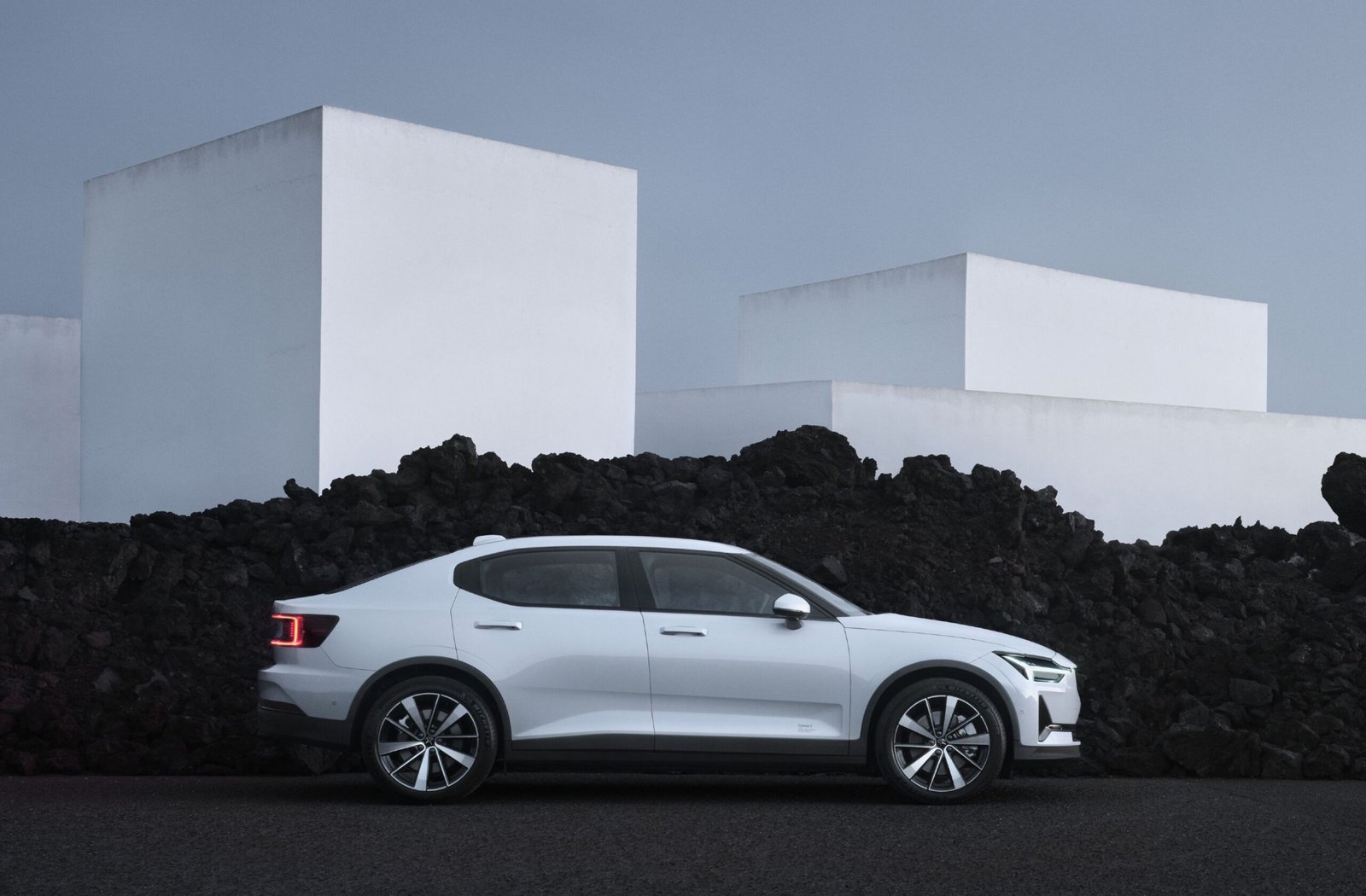
Polestar, a Volvo and Geely brand, is known for its high-performance electric vehicles. The company’s Polestar 2 offers a blend of luxury and advanced technology, positioning itself as a strong competitor in the EV market. Polestar focuses on sustainability and innovation, aiming to deliver cutting-edge electric vehicles.

Fisker Inc.

Fisker Inc. is working on producing stylish and eco-friendly electric vehicles. The company’s Ocean SUV and Pear model reflect its commitment to sustainability and affordability. Fisker’s approach emphasizes both design and environmental responsibility, making it a notable player in the emerging EV market.

NIO

NIO is a Chinese electric vehicle manufacturer known for its innovative approach to battery swapping technology and high-performance electric cars. The company’s ES6 and ES8 SUVs are popular in China and are gaining attention globally. NIO’s unique battery solutions and focus on premium features set it apart in the competitive EV landscape.

Conclusion

In conclusion, the electric vehicle industry is vibrant and rapidly evolving, with Key Players in EV Industry ranging from established automakers to innovative startups. Tesla, BYD, Nissan, and Rivian are leading the charge with their groundbreaking technologies and diverse offerings. Meanwhile, traditional manufacturers like GM, Ford, Volkswagen, and BMW are transitioning towards electric mobility, demonstrating their commitment to sustainability. Emerging companies like Polestar, Fisker Inc., and NIO are also making significant contributions, driving the industry forward with new ideas and technologies. As the market continues to grow, these key players will play crucial roles in shaping the future of electric vehicles.