
AlternativeAutomobile29
Search for:
Apps for Finding Electric Vehicle Charging Stations
Best Apps for Finding Electric Vehicle Charging Stations

Finding electric vehicle (EV) charging stations can sometimes feel like a challenge, especially if you’re new to EV ownership or traveling to unfamiliar areas. Fortunately, several apps are designed to make this task much easier. In this article, we’ll cover some of the best apps for finding electric vehicle charging stations, helping you keep your EV powered up no matter where you go.

Why Use Apps for Finding Electric Vehicle Charging Stations?

Using apps for finding electric vehicle charging stations offers numerous advantages. They help you locate nearby chargers quickly, provide real-time availability updates, and often include user reviews and ratings. This ensures you can find a suitable and reliable charging spot without unnecessary delays or detours.

Apps for Finding Electric Vehicle Charging Stations

Top Apps for Finding Electric Vehicle Charging Stations

1. PlugShare

When it comes to finding electric car charging stations, PlugShare is one of the most popular and comprehensive apps available. PlugShare provides a detailed map of charging locations across the globe, including user-generated information about the availability and condition of each station. The app allows you to filter search results by connector type, charging speed, and even amenities nearby. Its community-driven approach means you’ll often find up-to-date information and reviews from fellow EV owners.

2. ChargePoint

ChargePoint is another excellent app for finding electric car charging stations. It boasts one of the largest networks of charging stations and offers a user-friendly interface. The app shows real-time status updates for each station, including availability and charging speed. You can also start and stop charging sessions directly from the app, making it a convenient choice for frequent EV drivers. ChargePoint also provides a map of nearby stations, complete with user ratings and reviews.

3. EVgo

EVgo specializes in fast charging, making it a top choice for those who need to find quick charging options. The app offers a straightforward map of EVgo’s fast-charging stations, which are often located along major highways for easy access during long trips. EVgo also provides real-time updates on charger availability and session pricing, ensuring you have all the information you need before you arrive.

4. Tesla Supercharger

For Tesla owners, the Tesla Supercharger app is an essential tool. It helps you find Tesla Supercharger stations, which are designed specifically for Tesla vehicles. The app provides real-time availability information and estimated charging times, helping you plan your trips more effectively. Tesla’s network is extensive, with strategically placed stations to keep you charged on the go.

5. A Better Routeplanner (ABRP)

A Better Routeplanner, or ABRP, is an excellent app for planning long journeys with your electric vehicle. It not only helps you find charging stations but also calculates the best route based on your vehicle’s range and the location of charging points. ABRP offers detailed route planning, including estimated charging times and station availability, making it ideal for road trips.

Tips for Using Charging Station Apps

1. Check for App Updates

To ensure you have the latest information on charging stations, regularly update your apps. Charging networks and station details can change frequently, so having the most recent app version helps you avoid issues.

2. Plan Ahead

Before starting your journey, use these apps to plan your route and identify charging stations along the way. This can help you avoid running low on battery and ensure you always have a nearby option for charging.

Conclusion

Finding electric vehicle charging stations is much simpler with the right apps. Whether you prefer PlugShare for its comprehensive coverage or ChargePoint for its extensive network, these tools make it easier to stay charged and ready to drive. By using these apps, planning your trips, and staying informed about charging station availability, you can ensure a smooth and hassle-free experience with your electric vehicle.

Best Vintage Car Shows Near You

If you love vintage cars, attending a car show is one of the best ways to see these classic beauties up close. Whether you’re a seasoned enthusiast or just starting to appreciate the charm of old automobiles, visiting a car show is an exciting way to immerse yourself in automotive history. In this guide, we’ll explore some of the best vintage car shows near you and provide tips on how to make the most of your experience.

Why Attend a Vintage Car Show?

Before we dive into the best vintage car shows, let’s talk about why you should consider attending one. Vintage car shows are a fantastic opportunity to see rare and beautifully restored vehicles that you might not encounter elsewhere. It’s also a great chance to meet other car enthusiasts, exchange stories, and learn more about classic cars. Whether you’re looking to buy a vintage car, find restoration inspiration, or simply enjoy a fun day out, car shows have something for everyone.

Local Car Shows to Explore

When searching for the best vintage car shows, it’s always a good idea to start locally. Many communities host annual car shows that feature a variety of classic cars, from muscle cars to elegant roadsters. These local events are perfect for a relaxed day out and often include food, music, and family-friendly activities.

For example, the Annual Classic Car Show in your town might be a great place to start. Local car shows usually have a friendly atmosphere and are less crowded, allowing you to take your time admiring each vehicle and chatting with their owners. Plus, attending local shows helps support your community and keeps the classic car culture alive.

Regional and National Car Shows

If you’re looking for a more extensive selection of vintage cars, regional and national car shows might be more up your alley. These events often attract car owners from all over the country and showcase a wide range of vehicles. One of the best vintage car shows in the country is the Concours d’Elegance, held annually in several locations, including Pebble Beach, California, and Amelia Island, Florida. This prestigious event features some of the most beautiful and valuable classic cars in the world.

Another must-see event is the Goodguys Rod & Custom Association’s series of car shows. These shows are held in various cities across the United States and are known for their vibrant atmosphere and diverse selection of vintage cars. From hot rods to classic trucks, you’re sure to find something that catches your eye.

International Car Shows

If you’re a serious vintage car enthusiast, you might want to consider traveling to one of the best vintage car shows held internationally. Events like the Retromobile in Paris, France, or the London Classic Car Show in the UK offer a unique opportunity to see some of the finest vintage cars from around the globe. These shows attract collectors, restorers, and car lovers from all over the world, making them a fantastic place to connect with other enthusiasts and see rare cars you might not find at local events.

Additionally, international shows often feature vendors selling rare parts and memorabilia, allowing you to find unique items to enhance your collection or restoration project.

How to Make the Most of a Vintage Car Show

Now that you know where to find the best vintage car shows, let’s talk about how to make the most of your experience. First and foremost, wear comfortable shoes and bring plenty of water, as you’ll likely be doing a lot of walking. It’s also a good idea to bring a camera or smartphone to take pictures of your favorite cars.

When you arrive at the show, take your time exploring. Don’t rush from car to car; instead, take a moment to appreciate the details that make each vehicle unique. Strike up conversations with the owners and ask them about their cars. Most car owners are more than happy to share stories about their vehicle’s history and the restoration process.

Lastly, make sure to check out any special events or activities that might be happening at the show. Many vintage car shows feature live demonstrations, panel discussions, and awards ceremonies, adding even more excitement to the day.

Conclusion

Attending a vintage car show is a fantastic way to celebrate classic cars and connect with other enthusiasts. Whether you’re visiting a local show or traveling to one of the best vintage car shows in the world, you’re sure to have a memorable experience. So, grab your calendar, mark the dates, and get ready to enjoy some of the most beautiful cars ever made. Happy car hunting!

How to Buy a Vintage Car Safely

Buying a vintage car is an exciting experience, but it can also be a bit intimidating, especially if you are new to the classic car world. These timeless vehicles offer a unique charm and history that modern cars can’t match. However, it’s crucial to know how to buy a vintage car safely to avoid any potential pitfalls. In this guide, we’ll walk you through the steps you need to take to ensure your classic car purchase is both secure and satisfying.

Do Your Research

Before you even start looking at cars, it’s essential to do your homework. When you plan to buy a vintage car, research is key. Start by narrowing down the type of car you’re interested in. Consider factors like make, model, year, and condition. Understanding the market value of the car you’re interested in will help you determine a fair price and avoid overpaying.

Moreover, familiarize yourself with the common issues and known problems for the models you are considering. Some vintage cars have specific parts that are hard to find or are notorious for certain mechanical issues. By knowing these beforehand, you can make a more informed decision and avoid potential headaches down the line.

Inspect the Car Thoroughly

Once you’ve found a car that catches your eye, it’s time to inspect it thoroughly. This step is crucial when you buy a vintage car. A thorough inspection can reveal a lot about the car’s history and condition. Start by looking at the body for any signs of rust, dents, or poor repairs. Rust is a common issue with vintage cars and can be expensive to fix, so pay particular attention to the undercarriage, wheel wells, and frame.

Next, check the engine and transmission. Look for any leaks, unusual noises, or excessive smoke. These could be signs of significant mechanical problems. Don’t forget to inspect the interior as well. Check the condition of the seats, dashboard, and carpeting. Remember, restoring the interior of a vintage car can be just as costly as repairing its mechanical components.

Verify the Car’s History

One of the most important steps when you buy a vintage car is verifying its history. Ask the seller for any maintenance records, previous ownership details, and documentation of any restoration work that has been done. This information can give you valuable insights into how the car has been cared for and whether it has any hidden issues.

Additionally, use the car’s Vehicle Identification Number (VIN) to run a history report. This report can tell you if the car has been in any accidents, has a salvage title, or has been stolen. Ensuring that the car’s paperwork is in order will help you avoid any legal troubles down the road.

Consider Hiring a Professional

If you’re not confident in your ability to assess a vintage car’s condition, consider hiring a professional inspector. Many experts specialize in classic cars and can provide a comprehensive evaluation of the vehicle you’re interested in. This might seem like an extra expense, but it’s a small price to pay compared to the cost of potential repairs or issues you might miss.

When you buy a vintage car, having an expert’s opinion can give you peace of mind and help you make a more informed decision. Plus, an inspector might find problems that you didn’t notice, giving you leverage to negotiate a better price with the seller.

Take the Car for a Test Drive

A test drive is a must when you buy a vintage car. It’s the best way to get a feel for how the car handles and identify any potential issues. Pay attention to how the car starts, accelerates, and brakes. Listen for any unusual noises and note how the car responds to steering inputs.

Also, test all the car’s features, including lights, gauges, and switches, to ensure everything is working correctly. A good test drive can reveal hidden problems and help you determine if the car is a good fit for you.

Negotiate and Close the Deal

Once you’re satisfied with the car’s condition and history, it’s time to negotiate the price. Use your research and any issues discovered during the inspection to justify your offer. Remember, when you buy a vintage car, there is often room for negotiation, especially if you’re dealing with a private seller.

After agreeing on a price, make sure to get everything in writing. This includes the agreed-upon price, any promises made by the seller, and a detailed list of what’s included in the sale. Be sure to obtain a bill of sale and have the seller sign over the title to you. If you’re buying from a dealer, make sure they provide all the necessary paperwork and warranties.

Conclusion

Buying a vintage car is a rewarding experience that requires careful planning and attention to detail. By doing your research, inspecting the car thoroughly, verifying its history, and considering professional help, you can buy a vintage car safely and confidently. Always take the car for a test drive and don’t be afraid to negotiate the price. With these tips in mind, you’re well on your way to enjoying the thrill of owning a classic car. Happy hunting!

Charging Your Electric Vehicle Faster

Charging your electric vehicle faster is a common goal for many EV owners. Whether you’re preparing for a long road trip or just want to ensure your car is ready to go each morning, understanding how to speed up the charging process can make your life easier. In this article, we’ll discuss several tips and techniques to help you charge your electric vehicle more quickly and efficiently.

Understand the Different Types of Chargers

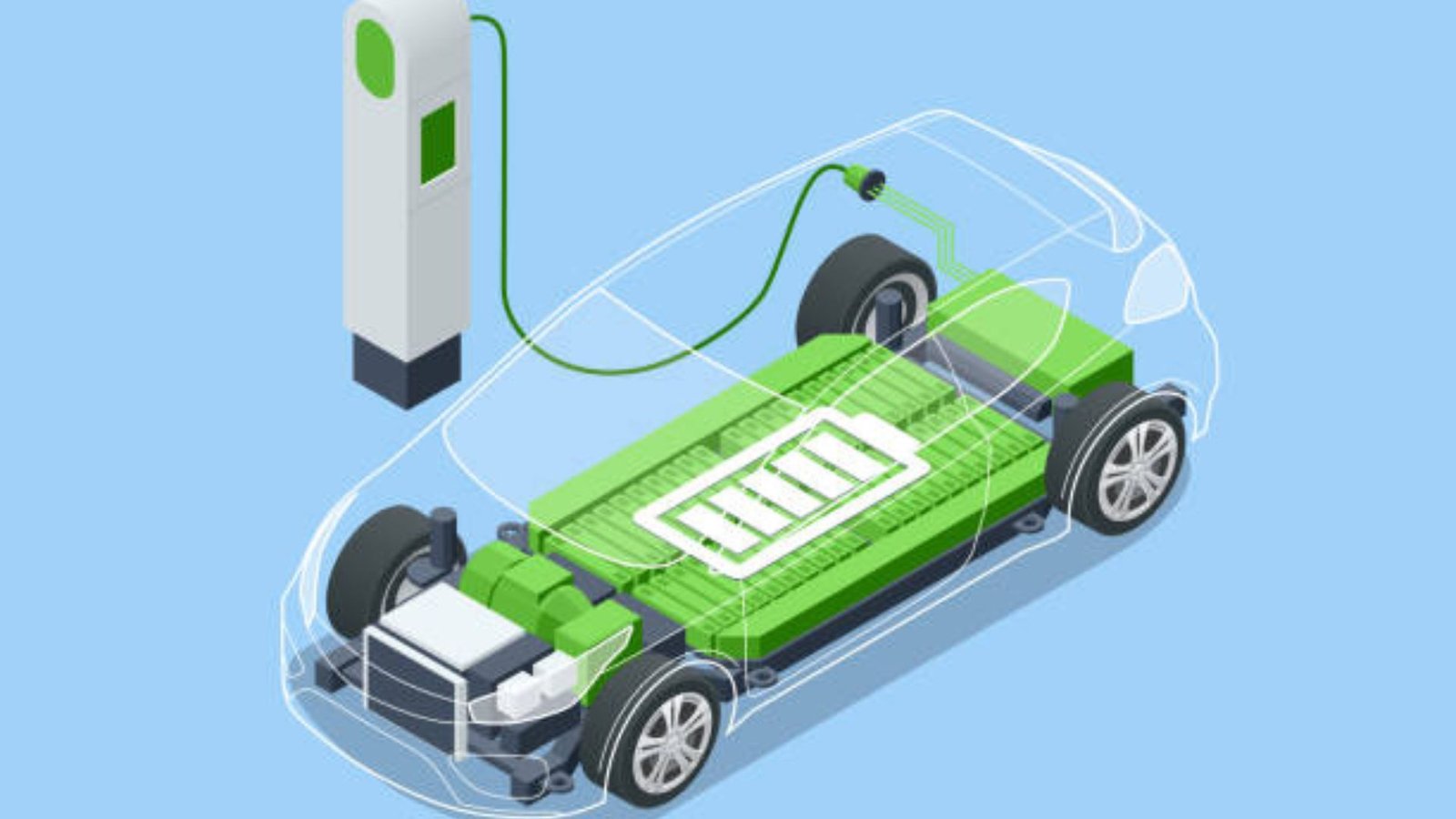
To begin charging your electric vehicle faster, it’s important to understand the different types of chargers available. There are three main types: Level 1, Level 2, and DC fast chargers.

Charging Your Electric Vehicle Faster
  • Level 1 Chargers: These are the slowest chargers, usually found in standard household outlets. They can take up to 24 hours to fully charge an EV. While they are convenient for overnight charging, they aren’t the best option if you’re in a hurry.
  • Level 2 Chargers: These chargers are faster and often installed at home or found in public charging stations. They can fully charge most electric vehicles in about 4-8 hours, making them a good option for daily charging.
  • DC Fast Chargers: If you need to charge your electric vehicle faster, DC fast chargers are the way to go. These chargers can provide a significant charge in as little as 20-30 minutes. However, they are typically found at public charging stations, such as those along highways or at shopping centers.

Use a Dedicated Home Charging Station

One of the best ways to charge your electric vehicle faster is by installing a dedicated home charging station. A Level 2 home charger provides a higher power output compared to a standard outlet. This means you can fully charge your vehicle overnight, making it ready for use the next day. Moreover, having a dedicated charger at home adds convenience and can save you time by avoiding trips to public charging stations.

Optimize Charging Times

To maximize charging efficiency, it’s important to optimize the times when you charge your electric vehicle. Charging during off-peak hours, usually late at night or early in the morning, can help. Many utility companies offer lower electricity rates during these times, which not only saves you money but also reduces the charging time due to lower demand on the power grid.

Keep Your Battery Cool

Temperature plays a crucial role in charging speed. Batteries charge more efficiently when they are at an optimal temperature. Extremely hot or cold temperatures can slow down the charging process. To ensure you’re charging your electric vehicle faster, try to park and charge in a shaded or climate-controlled environment. Some electric vehicles also come with battery temperature management systems, which help maintain the ideal temperature for faster charging.

Utilize Fast Charging Networks

If you frequently need to charge your electric vehicle faster while on the go, consider utilizing fast charging networks. Companies like Tesla, Electrify America, and others have set up networks of DC fast chargers across the country. These stations are strategically placed along highways and in urban areas, making it easy to top up your battery quickly during long trips or busy days.

Maintain Your Battery Health

To consistently charge your electric vehicle faster, maintaining your battery’s health is crucial. Avoid letting your battery drain completely before recharging. Instead, try to keep it between 20% and 80% charged. This practice not only prolongs battery life but also ensures that your car charges more efficiently. Regular maintenance checks by a professional can also help identify any issues that might slow down charging.

Conclusion

Charging your electric vehicle faster is not just about saving time; it’s also about convenience and making the most of your EV ownership experience. By understanding the different types of chargers, using a dedicated home charging station, optimizing charging times, and maintaining your battery’s health, you can enjoy a quicker and more efficient charging process. Whether you’re on the road or at home, these tips will help ensure your electric vehicle is always ready to go when you are.

Best Vintage Cars of the 1960s

The 1960s were a golden era for the automotive industry, a decade marked by innovation, powerful engines, and iconic designs. Vintage cars of the 1960s are not just about nostalgia; they represent a significant part of automotive history. Whether you’re a car enthusiast, a collector, or someone who simply appreciates the beauty of classic vehicles, the vintage cars of the 1960s have something special to offer. In this article, we’ll take a look at some of the most iconic models from this era, highlighting their unique features and lasting appeal.

Why the 1960s Was a Special Era for Cars

The 1960s brought about a revolution in car design and technology. This period was characterized by a blend of power, style, and innovation. Car manufacturers were experimenting with new technologies, and consumer demand for speed and performance was at an all-time high. The introduction of muscle cars, sports cars, and luxury vehicles in this decade set new standards and redefined what cars could be. It’s no wonder that vintage cars of the 1960s are still highly sought after today.

Iconic Vintage Cars of the 1960s

Let’s explore some of the best vintage cars of the 1960s that have captured the hearts of car lovers around the world.

1. 1964 Ford Mustang

No list of vintage cars of the 1960s would be complete without the Ford Mustang. Launched in 1964, the Mustang quickly became an American icon. It was one of the first cars to be dubbed a “pony car,” characterized by its long hood, short rear deck, and powerful engine. The Mustang offered a combination of style, performance, and affordability, which made it a huge success. With a range of options available, from the standard straight-six to the high-performance V8, the Mustang catered to a wide audience, making it one of the most popular cars of the decade.

2. 1967 Chevrolet Camaro

The Chevrolet Camaro was introduced as a direct competitor to the Ford Mustang. With its aggressive styling, powerful engine options, and sporty handling, the Camaro quickly gained popularity. One of the most iconic features of the 1967 Camaro is its distinctive split front grille, which gave it a unique and aggressive look. Available in both coupe and convertible models, the Camaro offered a range of engines, including a 396 cubic inch V8, making it a favorite among muscle car enthusiasts. This combination of power and design makes the Camaro one of the best vintage cars of the 1960s.

3. 1961 Jaguar E-Type

When it comes to elegance and performance, the 1961 Jaguar E-Type stands out. Enzo Ferrari famously called it “the most beautiful car ever made,” and it’s easy to see why. The E-Type’s sleek, aerodynamic design, combined with its powerful 3.8-liter inline-six engine, set new standards for sports cars of the time. With its top speed of over 150 mph, the E-Type was not only beautiful but also one of the fastest cars of its era. Today, it remains one of the most collectible vintage cars of the 1960s, admired for its timeless beauty and engineering excellence.

4. 1969 Dodge Charger

The Dodge Charger, especially the 1969 model, is one of the most iconic muscle cars of all time. Known for its bold design, with a long hood, fastback roofline, and hidden headlights, the Charger stood out on the road. The R/T (Road/Track) version came with a powerful 440 cubic inch V8 engine, making it a favorite among drag racers and car enthusiasts. Its role in movies and TV shows, like “The Dukes of Hazzard,” further cemented its place in popular culture. The Charger’s combination of style and performance makes it one of the standout vintage cars of the 1960s.

5. 1963 Chevrolet Corvette Sting Ray

The 1963 Chevrolet Corvette Sting Ray was a game-changer for the Corvette brand. With its split rear window, hidden headlights, and sharp body lines, the Sting Ray’s design was futuristic and aggressive. Under the hood, it offered a range of powerful engines, including a 327 cubic inch V8 that delivered impressive speed and performance. The Sting Ray’s blend of beauty, power, and innovation made it a standout in the sports car market. It remains one of the most desirable vintage cars of the 1960s, admired by collectors and car enthusiasts alike.

Collecting Vintage Cars of the 1960s

Tips for New Collectors

If you’re new to collecting vintage cars of the 1960s, here are some tips to get you started:

  1. Research Thoroughly: Learn about the different models, their market value, and any specific issues they may have. Knowledge is your best tool in making smart purchasing decisions.
  2. Inspect Carefully: Always inspect a vintage car thoroughly before buying. Check for signs of rust, engine problems, and other potential issues. If possible, bring along a mechanic who specializes in vintage cars.
  3. Start Small: Consider starting with more affordable models before moving on to high-end collectibles. Cars like the Ford Mustang and Chevrolet Camaro are great starting points.

Maintaining Your Collection

Owning vintage cars of the 1960s requires proper maintenance. Regular servicing, proper storage, and attention to detail will keep your vehicles in top condition and ensure they retain their value. Investing in quality care will pay off in the long run, both in terms of the car’s performance and its market value.

Conclusion

Vintage cars of the 1960s continue to captivate car enthusiasts with their blend of style, performance, and history. From the iconic Ford Mustang to the elegant Jaguar E-Type, these cars represent a unique era of automotive excellence. Whether you’re a seasoned collector or just starting, the best vintage cars of the 1960s offer a timeless appeal that will never go out of style.

How to Restore a Vintage Car

Restoring a vintage car can be an incredibly rewarding experience. It’s a chance to bring a piece of automotive history back to life and create something you can be proud of. Whether you’re restoring a car to its original condition or adding your own personal touches, there’s nothing quite like seeing an old, rusty car transformed into a beautiful classic. In this guide, we’ll walk you through how to restore a vintage car, from planning your project to the finishing touches.

Start with a Plan

Before you begin to restore a vintage car, it’s essential to have a solid plan in place. Restoring a car is a big project that requires time, money, and patience. Start by setting a budget for your restoration and decide how much work you’re willing to do yourself versus what you’ll need to hire professionals for. Research the specific model you’re working on to understand its history and unique features, which will help guide your restoration.

Additionally, make a list of parts and tools you’ll need. Some parts may be hard to find, so it’s a good idea to check availability early on. Planning ahead will save you time and frustration down the road.

Assess the Condition of the Car

The next step in how to restore a vintage car is to assess its current condition. This means taking a close look at every part of the vehicle to determine what needs to be repaired, replaced, or restored. Start with the exterior. Check for rust, dents, and any damage to the bodywork. Then, move to the interior, examining the upholstery, dashboard, and instruments. Don’t forget to check the engine, transmission, and other mechanical components.

By thoroughly assessing the car, you can identify the most critical issues and prioritize your work. This will help you stay organized and focused throughout the restoration process.

Disassemble the Car

Once you have a plan and have assessed the car’s condition, it’s time to start disassembling. To restore a vintage car properly, you need to take it apart piece by piece. This allows you to work on each component individually and ensures you don’t miss any hidden damage or rust.

As you disassemble the car, take plenty of photos and label everything. This will make reassembly much easier and help you remember how everything fits together. Keep all small parts, screws, and bolts organized in labeled bags or containers.

Repair or Replace Parts

Now comes the heart of the restoration process: repairing or replacing parts. Depending on the condition of the car, this could involve everything from welding new panels to replacing the engine. When you restore a vintage car, it’s essential to use quality parts, whether you’re buying new, sourcing original parts, or fabricating custom pieces.

If you’re doing the work yourself, make sure you have the right tools and knowledge to tackle each task. Don’t be afraid to seek help from a professional mechanic if you’re unsure about something. It’s better to ask for help than to make a costly mistake.

Restore the Interior

Restoring the interior of a vintage car is just as important as the exterior. After all, you want your car to look and feel great when you’re driving it! Start by removing the old upholstery, carpets, and any damaged trim. Depending on the car’s condition, you may need to replace the seats, dashboard, or other interior components.

When restoring the interior, consider using period-correct materials and colors to keep the car looking authentic. If you’re restoring a rare model, you might want to consult with an expert to ensure you’re using the right materials and techniques.

Paint and Finish

Once all the repairs are complete and the interior is restored, it’s time to paint and finish the car. Painting is a crucial step in how to restore a vintage car, as it can make a massive difference in the car’s overall appearance.

Before you start painting, make sure the body is clean, smooth, and free of rust. Apply primer, followed by several coats of paint, allowing each coat to dry thoroughly before applying the next. Finish with a clear coat to protect the paint and give it a glossy shine.

If you’re not experienced with painting, it might be best to hire a professional. A good paint job can make or break a restoration, so it’s worth investing in quality work.

Reassemble and Final Touches

After the paint has dried, it’s time to start reassembling your vintage car. This is where all your careful planning and organization pay off. Refer to the photos and notes you took during disassembly to ensure everything goes back together correctly.

As you reassemble the car, take your time and make sure everything is properly aligned and securely fastened. Once the car is back together, add the final touches, such as emblems, badges, and trim pieces. Double-check all mechanical systems and take the car for a test drive to ensure everything is working correctly.

Conclusion

Restoring a vintage car is a labor of love that requires time, effort, and attention to detail. By following these steps and being patient, you can restore a vintage car to its former glory. Remember, the journey is just as important as the destination, so take your time and enjoy the process. With careful planning, dedication, and a bit of elbow grease, you can bring your vintage car back to life and enjoy it for years to come.

Best Classic Cars for Beginners

Are you dreaming of owning a classic car but don’t know where to start? Choosing the right vehicle can be daunting, especially if you’re new to the world of vintage cars. Luckily, there are many great options out there for first-time buyers. In this article, we’ll explore some of the best classic cars for beginners that are easy to maintain, affordable, and fun to drive.

What to Look for in a Beginner’s Classic Car

Before diving into specific models, it’s essential to understand what makes a car a good choice for beginners. Classic cars for beginners should be easy to find, affordable to buy and maintain, and relatively simple to work on. Additionally, they should have a good parts supply and a supportive community of fellow enthusiasts. With these factors in mind, let’s look at some top options that fit the bill.

The Ford Mustang (1965-1973)

First on our list of classic cars for beginners is the iconic Ford Mustang, specifically the models from 1965 to 1973. These cars are famous for their stylish looks, powerful engines, and solid performance. Mustangs from this era are relatively easy to find and have a strong aftermarket for parts, making them an excellent choice for those new to classic car ownership.

The Mustang’s simple design also means that many of its mechanical components are straightforward to repair. Even if you don’t have much experience working on cars, you’ll find plenty of resources and guides to help you along the way. Plus, there’s a vast community of Mustang enthusiasts ready to offer advice and support.

The Volkswagen Beetle (1949-1979)

Another fantastic option for beginners is the Volkswagen Beetle. Known for its unique shape and enduring charm, the Beetle is one of the most recognizable cars ever made. It’s also one of the best classic cars for beginners due to its simple design and low cost of ownership. Parts for Beetles are widely available and affordable, and the car’s air-cooled engine is known for being easy to work on.

Furthermore, the Beetle is incredibly reliable. It was designed to be a “people’s car,” so it’s built to last and handle daily driving. Whether you’re looking for a fun project or a dependable classic car to drive around town, the Volkswagen Beetle is a great choice.

The Chevrolet Camaro (1967-1969)

If you’re interested in muscle cars, the Chevrolet Camaro is another excellent classic car for beginners. The first-generation Camaro, particularly models from 1967 to 1969, offers a great mix of style, performance, and ease of maintenance. Like the Mustang, the Camaro has a large aftermarket, meaning parts are readily available and relatively inexpensive.

The Camaro’s straightforward mechanics make it an ideal choice for someone new to classic cars. You can learn a lot about automotive repair and maintenance without feeling overwhelmed. Plus, the Camaro’s strong community of enthusiasts can provide guidance and camaraderie as you embark on your classic car journey.

The MGB Roadster (1962-1980)

For those who prefer European classics, the MGB Roadster is a fantastic choice. As one of the most popular British sports cars ever made, the MGB combines classic styling with a fun driving experience. It’s also one of the best classic cars for beginners because of its simple mechanics and abundance of available parts.

The MGB’s four-cylinder engine is known for being reliable and easy to work on, making it perfect for novice mechanics. Additionally, the car’s lightweight design and nimble handling make it a joy to drive on winding roads. With a strong community of British car enthusiasts and clubs, finding support and resources for your MGB is easy.

The Datsun 240Z (1970-1973)

Finally, if you’re looking for a Japanese classic, consider the Datsun 240Z. This sleek, sporty coupe is known for its impressive performance and stylish design. It’s also one of the best classic cars for beginners because it offers a great balance of reliability and driving enjoyment.

The 240Z’s simple design and robust engine make it a fantastic option for those new to classic cars. Parts for these models are becoming more available as interest in Japanese classics grows, and there are plenty of online communities dedicated to the Datsun Z series. If you want a classic car that stands out from the crowd, the Datsun 240Z is an excellent choice.

Why These Cars Are Perfect for Beginners

All the cars mentioned above are ideal for beginners for several reasons. First, they have a strong following and an established community of owners and fans. This means you’ll have plenty of support, whether you’re looking for parts, advice, or just some camaraderie.

Second, these cars are relatively easy to work on. Even if you don’t have much experience with car repairs, you can learn a lot by maintaining one of these classic cars for beginners. Finally, they offer great value for money. You don’t have to break the bank to own a piece of automotive history.

Conclusion

Choosing the right classic car can be a rewarding experience, especially when you pick one that fits your needs and budget. The best classic cars for beginners are those that are easy to find, simple to work on, and have a supportive community. Whether you’re drawn to American muscle, European sports cars, or Japanese icons, there’s a classic car out there for you. Start your journey today and enjoy the thrill of owning a piece of automotive history!

Driving an Electric Vehicle
Top Benefits of Driving an Electric Vehicle

Driving an electric vehicle (EV) is becoming more popular every day, and for good reason. Electric vehicles offer a range of benefits that go beyond just being environmentally friendly. Whether you’re thinking about making the switch or just curious about the advantages, understanding why so many people are driving an electric vehicle can help you make an informed decision. In this article, we’ll discuss some of the top benefits of owning and driving an electric vehicle.

Save Money on Fuel Costs

One of the biggest advantages of driving an electric car is the savings on fuel costs. Electric vehicles run on electricity, which is often much cheaper than gasoline. Charging your EV at home is usually more cost-effective than filling up at a gas station. Over time, these savings can add up, making electric vehicles a more economical choice for daily commuting and long-distance driving. Plus, many public charging stations offer free or low-cost charging options, further reducing your overall expenses.

Driving an Electric Vehicle

Lower Maintenance Costs

Another significant benefit of driving an electric car is the reduction in maintenance costs. Electric vehicles have fewer moving parts compared to traditional gasoline-powered cars. This means fewer things can go wrong. For example, EVs don’t need oil changes, and there’s no exhaust system to maintain. Additionally, brakes on electric vehicles tend to last longer due to regenerative braking, which helps save money on replacements. By driving an electric car, you can expect to spend less time and money on maintenance and repairs.

Environmentally Friendly Option

Driving an electric car is better for the environment. EVs produce zero tailpipe emissions, which means they don’t contribute to air pollution or greenhouse gas emissions. By choosing an electric vehicle, you are helping to reduce your carbon footprint and protect the planet. As more people switch to electric vehicles, the demand for oil decreases, leading to less drilling and a positive impact on the environment. Driving an electric vehicle is a great way to do your part for a cleaner, greener world.

Government Incentives and Rebates

Many governments around the world offer incentives and rebates for driving an electric car. These incentives can include tax credits, rebates on the purchase price, reduced registration fees, and discounts on tolls or parking. These financial benefits make electric vehicles more affordable and encourage more people to make the switch. By taking advantage of these incentives, you can significantly lower the overall cost of owning an electric vehicle.

Quiet and Smooth Driving Experience

One of the first things you’ll notice when driving an electric vehicle is how quiet and smooth the ride is. Electric motors produce less noise than internal combustion engines, making for a quieter driving experience. This not only reduces noise pollution but also makes driving more comfortable and enjoyable. Additionally, electric vehicles provide instant torque, which means they accelerate smoothly and quickly. The combination of quiet operation and smooth acceleration makes driving the vehicle a pleasure.

Access to High-Occupancy Vehicle (HOV) Lanes

In many places, electric vehicle drivers have access to high-occupancy vehicle (HOV) lanes, even if they are driving alone. This can save you time by allowing you to bypass traffic congestion during rush hours. Driving in the HOV lanes can make your daily commute faster and less stressful. This is another advantage that makes driving an electric vehicle more appealing, especially for those who live in busy urban areas.

Conclusion

Driving an electric vehicle offers numerous benefits, from saving money on fuel and maintenance to reducing your environmental impact. The quiet, smooth driving experience and access to government incentives make electric vehicles an attractive option for many drivers. As technology continues to improve and more charging infrastructure becomes available, the advantages of driving an electric vehicle will only continue to grow. If you’re considering making the switch, now is a great time to experience the many benefits of driving an electric vehicle.

How to Maintain Vintage Cars

Vintage cars are not just vehicles; they are rolling pieces of history. Owning one is a privilege, but it also comes with responsibilities. To ensure your classic ride stays in top condition, you need to know how to maintain vintage cars properly. Let’s dive into some essential tips that will help you keep your prized possession running smoothly.

Understand Your Vintage Car’s Needs

Every vintage car is unique, and understanding its specific needs is the first step to proper maintenance. Unlike modern cars, vintage models may have specific requirements for oil types, fuel, and even maintenance schedules. Start by reading the owner’s manual or finding one online if you don’t have it. This will give you a good understanding of what your car needs.

Regular Inspections Are Key

To maintain vintage cars, regular inspections are crucial. These checks help identify potential problems before they become significant issues. Make it a habit to inspect your car at least once a month. Look for any signs of wear and tear, rust, or leaks. Pay special attention to the engine, brakes, tires, and suspension. Spotting issues early can save you a lot of money and prevent breakdowns.

Keep Your Car Clean and Protected

Cleaning your vintage car is more than just about aesthetics; it’s also about preservation. Dirt, dust, and grime can cause damage over time, especially to the paint and chrome. When you maintain vintage cars, it’s essential to wash them regularly using a gentle car soap. After washing, apply a quality wax to protect the paint. Don’t forget to clean the interior, as dust and moisture can cause mold and mildew, damaging upholstery and other materials.

Use the Right Fluids

One of the most important aspects when you maintain vintage cars is using the correct fluids. These cars often require specific types of oil and coolant that might differ from modern vehicles. Check the owner’s manual or consult with a vintage car expert to determine the best fluids for your car. Using the wrong fluids can cause significant damage to the engine and other components, leading to costly repairs.

Regularly Change the Oil

Changing the oil is a fundamental part of maintaining any car, especially vintage models. Older engines tend to produce more sludge and carbon deposits, which can contaminate the oil faster. To maintain vintage cars, change the oil every 3,000 miles or every six months, whichever comes first. Use high-quality oil that meets the specifications of your car’s engine to ensure optimal performance.

Store Your Car Properly

Proper storage is vital when you maintain vintage cars, especially if you don’t drive them regularly. Storing your car in a dry, climate-controlled environment can prevent rust, mold, and other damage. If you need to store your car for an extended period, consider using a car cover and placing it on jack stands to relieve the pressure on the tires. Additionally, disconnect the battery to prevent it from draining.

Drive It Regularly

While it might seem counterintuitive, one of the best ways to maintain vintage cars is to drive them regularly. Letting a car sit for too long can cause parts to seize and fluids to become stale. By driving your vintage car at least once a month, you keep the engine lubricated, the battery charged, and all moving parts in good condition. Plus, it’s a great excuse to enjoy a drive down memory lane!

Find a Reliable Mechanic

Even the most diligent owner needs professional help from time to time. To properly maintain vintage cars, finding a mechanic who specializes in classic cars is essential. These professionals have the knowledge and experience to handle any issues your car might have. They can also give you tips on keeping your car in top shape and advise you on any preventive maintenance that might be needed.

Keep a Maintenance Log

Keeping a detailed maintenance log is another great tip when you maintain vintage cars. Record every service, repair, and inspection your car undergoes. This log not only helps you keep track of when the next maintenance is due but also adds value to your car if you ever decide to sell it. Potential buyers will appreciate seeing a well-documented history of care.

Enjoy the Process

Finally, remember to enjoy the process of maintaining your vintage car. It’s a labor of love that pays off every time you take your classic ride out for a spin. Taking the time to learn about your car and understand its needs makes the experience even more rewarding. So, take pride in your vintage car and enjoy every moment you spend maintaining it.

Conclusion

Owning a vintage car is more than just owning a vehicle; it’s about preserving a piece of history. To keep these beautiful machines running smoothly and looking their best, you must take the time to maintain vintage cars properly. By understanding your car’s unique needs, performing regular inspections, and using the correct fluids, you can ensure your vintage car remains in top condition for years to come. Remember, proper storage, regular driving, and professional help when needed are also key to keeping your classic car in great shape. With dedication and care, you can enjoy your vintage car and the joy it brings for many years.

4o

Best Vintage Cars to Collect

Collecting vintage cars can be a thrilling hobby and a worthwhile investment. The charm, nostalgia, and craftsmanship of these classic vehicles make them highly desirable for car enthusiasts and collectors alike. But with so many options available, which are the best vintage cars to collect? In this article, we’ll explore some of the most sought-after models, offer tips on what to look for, and explain why these cars hold their value over time.

Why Collect Vintage Cars?

The Appeal of Classic Automotive Design

Vintage cars stand out because of their unique designs and the history they represent. These cars often feature bold lines, sleek curves, and classic detailing that are rare in modern vehicles. Collecting vintage cars is like owning a piece of history. Each model tells a story about the era it came from, the technological advancements of its time, and the design trends that shaped the automotive industry. This connection to the past is one reason why vintage cars to collect are so popular.

A Good Investment

Apart from their aesthetic and historical appeal, vintage cars can also be a smart financial investment. Over the years, the value of classic cars has generally appreciated. Limited production runs, rarity, and demand among collectors often lead to a steady increase in their market value. If you choose wisely, investing in vintage cars to collect can provide not only joy but also a good return on your investment.

Top Vintage Cars to Collect

Now that we understand the appeal of vintage car collecting, let’s explore some of the best models that have stood the test of time.

1. 1965 Ford Mustang

The Ford Mustang is an icon of American muscle cars, and the 1965 model is one of the most coveted vintage cars to collect. Known for its powerful V8 engine and classic design, this car represents the golden age of American automotive culture. Its availability in various trims and colors also makes it a versatile choice for collectors.

2. 1957 Chevrolet Bel Air

Another American classic, the 1957 Chevrolet Bel Air is a symbol of 1950s automotive style. Its distinctive tail fins, chrome detailing, and smooth ride make it one of the most recognizable vintage cars. The Bel Air is a favorite among collectors because of its elegant design and cultural significance, embodying the spirit of post-war America.

3. 1961 Jaguar E-Type

When it comes to elegance and performance, the 1961 Jaguar E-Type stands out as one of the most beautiful vintage cars to collect. Enzo Ferrari himself once called it “the most beautiful car ever made.” With its sleek lines, powerful engine, and impressive speed, the E-Type remains a classic favorite among car enthusiasts worldwide.

4. 1970 Chevrolet Chevelle SS 454

For those who love power, the 1970 Chevrolet Chevelle SS 454 is a must-have. Known for its massive 454 cubic inch engine, this muscle car is one of the fastest and most powerful vintage cars from the era. Its bold design and legendary performance make it a prized possession for collectors.

5. 1963 Volkswagen Beetle

The Volkswagen Beetle is an enduring symbol of the 1960s counterculture movement. Its simple yet iconic design, reliability, and affordability make it one of the best vintage cars to collect, especially for those who are new to the hobby. The Beetle’s charm lies in its practicality and the nostalgia it evokes, making it a beloved classic.

Tips for Collecting Vintage Cars

Do Your Research

Before diving into the world of vintage car collecting, it’s essential to do your research. Learn about the models you’re interested in, their market value, and any common issues they might have. This knowledge will help you make informed decisions and avoid potential pitfalls.

Inspect Thoroughly Before Buying

When purchasing vintage cars to collect, a thorough inspection is crucial. Check for rust, engine problems, and the condition of the interior. If possible, bring along a mechanic who specializes in vintage cars to assess the vehicle’s condition.

Start with Affordable Classics

If you’re new to collecting, consider starting with more affordable vintage cars before moving on to rare and expensive models. Cars like the Volkswagen Beetle or early Ford Mustangs are great entry points. They allow you to experience the joy of vintage car ownership without a significant financial commitment.

Maintaining Your Vintage Car Collection

Owning vintage cars to collect comes with the responsibility of proper maintenance. Regularly service your vehicles to keep them in good working condition. Store them in a climate-controlled environment to prevent rust and deterioration. Remember, the better you maintain your collection, the higher its value will remain.

Final Thoughts on Vintage Cars to Collect

Vintage cars offer more than just transportation—they provide a window into the past and a chance to own a piece of history. Whether you’re drawn to the sleek lines of a Jaguar E-Type or the power of a Chevrolet Chevelle, there are vintage cars to collect that will fit your taste and budget. With careful research and proper maintenance, you can build a collection that brings joy and serves as a valuable investment for years to come.