
AlternativeAutomobile29
Search for:
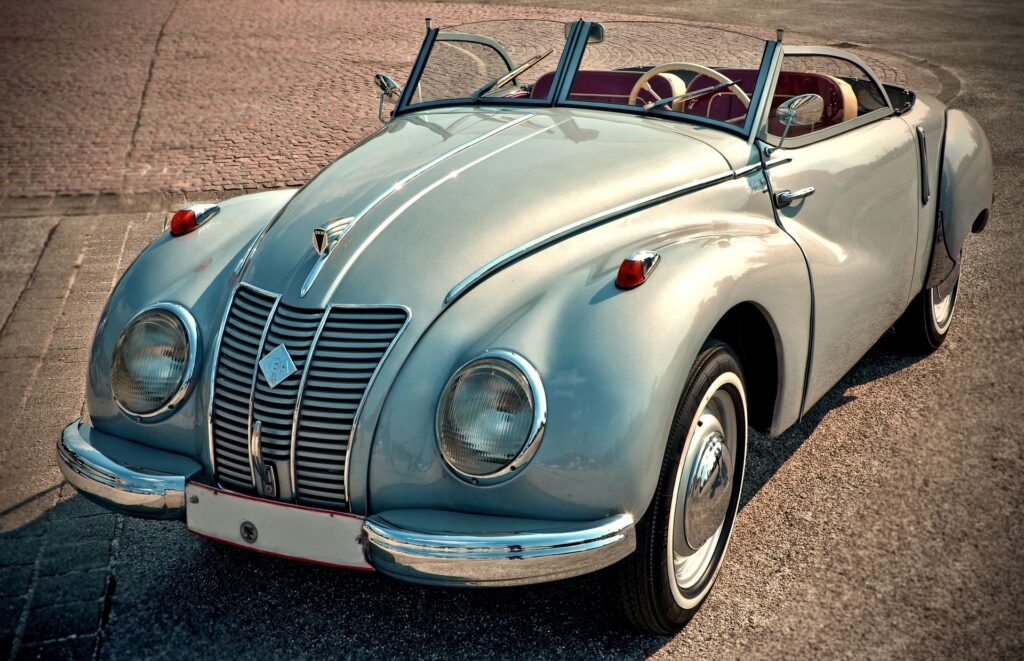
Preserving Vintage Car Paint
Tips for Preserving Vintage Car Paint

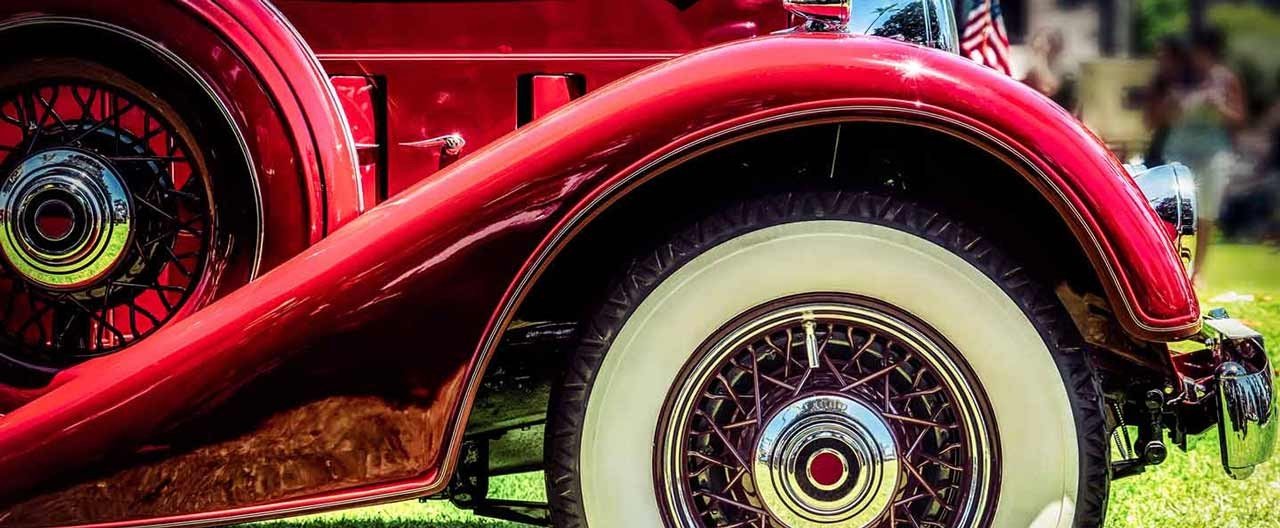
Preserving vintage car paint is essential for maintaining the beauty and value of your classic vehicle. The paint on a vintage car is not just a layer of color; it’s a reflection of its history and charm. However, over time, exposure to the elements can cause the paint to fade, crack, or peel. In this article, we’ll share some practical tips on how to preserve the paint on your vintage car. By following these guidelines, you can keep your classic car looking its best for years to come.

Wash Your Vintage Car Regularly

One of the most important steps in preserving vintage car paint is to wash your car regularly. Dirt, dust, and other particles can settle on the paint and cause scratches or dull the finish. Use a gentle car wash soap and a soft sponge or cloth to clean the surface. Avoid using harsh detergents or abrasive materials, as they can damage the paint. Rinse thoroughly with clean water to remove all soap residues. Regular washing helps keep your vintage car looking shiny and new, and it prevents dirt from building up over time.

Preserving Vintage Car Paint

Dry the Car Thoroughly After Washing

After washing, it’s crucial to dry your vintage car properly. Leaving the car to air dry can lead to water spots, which can damage the paint over time. Use a soft, clean microfiber towel to dry the car. Gently blot the water rather than rubbing it, which can cause scratches. This step is essential in preserving vintage car paint, as it prevents water spots and streaks, keeping the surface smooth and glossy.

Wax Your Vintage Car for Protection

Waxing is another effective way to preserve vintage car paint. A good quality car wax creates a protective layer on top of the paint, shielding it from UV rays, dirt, and moisture. Waxing also enhances the shine of the paint, making your vintage car look even more attractive. For the best results, wax your car every three to six months. Apply the wax in small sections, using a soft cloth, and buff it to a shine. Regular waxing will help keep the paint in excellent condition and extend its lifespan.

Store Your Vintage Car in a Safe Place

Proper storage is key to preserving vintage car paint. Whenever possible, park your car in a garage or under a car cover. This protects the paint from exposure to the sun, rain, and other harsh weather conditions. If you don’t have access to a garage, consider using a high-quality car cover designed for outdoor use. These covers are made from materials that shield the paint from UV rays and moisture, helping to prevent fading and rust. Taking steps to store your car safely can significantly extend the life of its paint.

Avoid Direct Sunlight Exposure

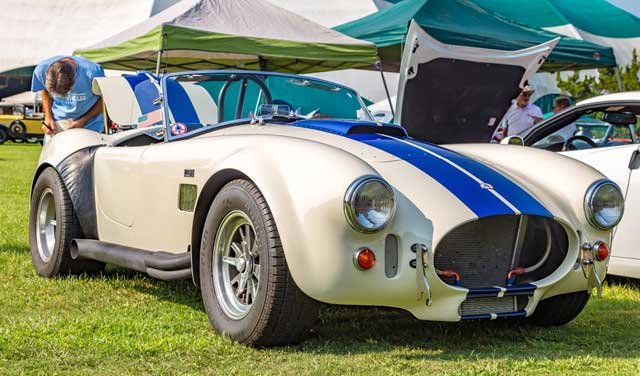
Sunlight can be one of the biggest threats to vintage car paint. UV rays can cause the paint to fade, crack, or become brittle over time. To preserve your vintage car’s paint, try to park in shaded areas whenever possible. If you’re attending a car show or an event where shade isn’t available, consider using a portable canopy to protect your car. Reducing sun exposure is a simple but effective way to keep the paint looking vibrant and fresh.

Use Paint Sealants for Extra Protection

In addition to regular waxing, using a paint sealant can provide extra protection for your vintage car paint. Paint sealants are synthetic products that offer a longer-lasting protective barrier compared to traditional wax. They are designed to withstand harsh environmental conditions, such as UV rays, acid rain, and road salt. Apply a paint sealant every six to twelve months, depending on your driving and storage conditions. This extra layer of protection can help maintain the paint’s integrity and shine.

Touch Up Paint Chips and Scratches Promptly

Over time, even the most careful car owners may notice small chips or scratches in the paint. To preserve vintage car paint, it’s important to address these issues promptly. Use a touch-up paint that matches the original color of your car to cover any imperfections. This prevents rust from developing in exposed areas and helps maintain the overall appearance of your vintage car. Taking care of minor paint damage quickly can prevent more significant problems down the road.

Conclusion

Preserving vintage car paint requires dedication and care, but the results are well worth the effort. By washing and drying your car regularly, using wax and sealants, storing it properly, and avoiding harsh chemicals, you can keep the paint looking vibrant and beautiful. Remember, the paint is a significant part of what makes a vintage car special. Taking these steps will help protect your investment and ensure your classic car remains a source of pride for years to come.

How to Detail a Vintage Car Interior

Detailing a vintage car interior is not just about making it look good; it’s about preserving its charm and originality. When you own a classic car, the interior often holds as much value as the exterior. From the leather seats to the wooden trim, every part of the interior requires special care. In this article, we’ll walk you through the steps to properly detail a vintage car interior, ensuring it stays in excellent condition. By following these tips, you can maintain the beauty and authenticity of your cherished classic.

Start with a Thorough Vacuuming

The first step in detailing a vintage car interior is to vacuum every nook and cranny. Use a soft brush attachment to avoid scratching delicate surfaces. Be sure to get into all the tight spaces, such as under the seats, in the corners, and between the cushions. This step is crucial because dirt and dust can cause wear and tear over time. Pay close attention to the carpets, as they tend to collect the most dirt. A thorough vacuuming will prepare your vintage car interior for more detailed cleaning.

How to Detail a Vintage Car Interior

Clean the Upholstery Carefully

Next, focus on cleaning the upholstery. Whether your vintage car has leather, fabric, or vinyl seats, it’s essential to use the right cleaning products. For leather seats, use a high-quality leather cleaner that won’t strip the natural oils. Apply the cleaner using a soft cloth, gently rubbing in circular motions. After cleaning, condition the leather to keep it soft and prevent cracking. For fabric or vinyl seats, use a mild upholstery cleaner. Test any product on a small, hidden area first to ensure it doesn’t cause discoloration or damage.

Polish the Dashboard and Trim

The dashboard and trim in a vintage car interior often feature unique materials, like wood or chrome. To clean these surfaces, use a gentle cleaner specifically designed for the material. For wooden trim, a wood cleaner and polish can bring back its natural shine. When dealing with chrome or metal trim, use a non-abrasive metal polish. Remember to use a soft microfiber cloth to avoid scratching the surfaces. Regular polishing will not only make your vintage car interior look great but also protect the materials from aging.

Pay Attention to the Details

Detailing a vintage car interior means paying attention to the small details. Clean the buttons, knobs, and vents using a soft brush and a mild cleaning solution. Don’t forget to clean the gear shift, door handles, and steering wheel. These areas often collect grime from regular use. For the best results, use a detailing brush to reach into tight spots. Taking the time to clean these small areas will make a big difference in the overall appearance of your vintage car’s interior.

Condition the Leather and Vinyl Surfaces

After cleaning, it’s important to condition the leather and vinyl surfaces in your vintage interior. Conditioning helps to maintain the flexibility and appearance of these materials. Use a high-quality conditioner and apply it with a soft cloth. Allow the conditioner to soak in for a few minutes before wiping off any excess. Conditioning regularly can prevent the leather from drying out and cracking, keeping your vintage car interior looking like new.

Clean the Windows and Mirrors

The windows and mirrors inside your vintage car also need attention. Use a streak-free glass cleaner and a microfiber cloth to clean all glass surfaces. Be careful not to spray cleaner directly onto the windows, as it can drip onto the dashboard or seats. Instead, spray the cleaner onto the cloth and then wipe the glass. Clean windows and mirrors will not only improve visibility but also enhance the overall look of your vintage car interior.

Refresh the Carpets and Floor Mats

Carpets and floor mats can quickly become dirty and worn in a vintage interior. To clean them, first vacuum thoroughly to remove loose dirt. Then, use a carpet cleaner suitable for automotive use. Work the cleaner into the carpet with a brush, and blot up any excess moisture with a clean cloth. Allow the carpets to dry completely before placing the floor mats back in the car. Keeping the carpets and floor mats clean will help preserve the interior’s original feel.

Conclusion

Detailing a vintage car interior requires time, patience, and the right products. By following these steps, you can maintain the elegance and authenticity of your classic vehicle. Regular cleaning, conditioning, and protection from the sun are all essential to keeping your vintage car interior in pristine condition. Remember, the interior is just as important as the exterior in showcasing the true beauty of a vintage car.

Comparing Electric Vehicles to Hybrids

As the automotive industry evolves, electric vehicles (EVs) and hybrid vehicles are becoming increasingly popular options for environmentally-conscious drivers. While both types of vehicles aim to reduce emissions and improve fuel efficiency, they have distinct differences. In this comparison, we’ll explore how electric vehicles and hybrids stack up against each other in terms of efficiency, cost, and environmental impact.

Comparing Electric Vehicles to Hybrids

Understanding Electric Vehicles (EVs)

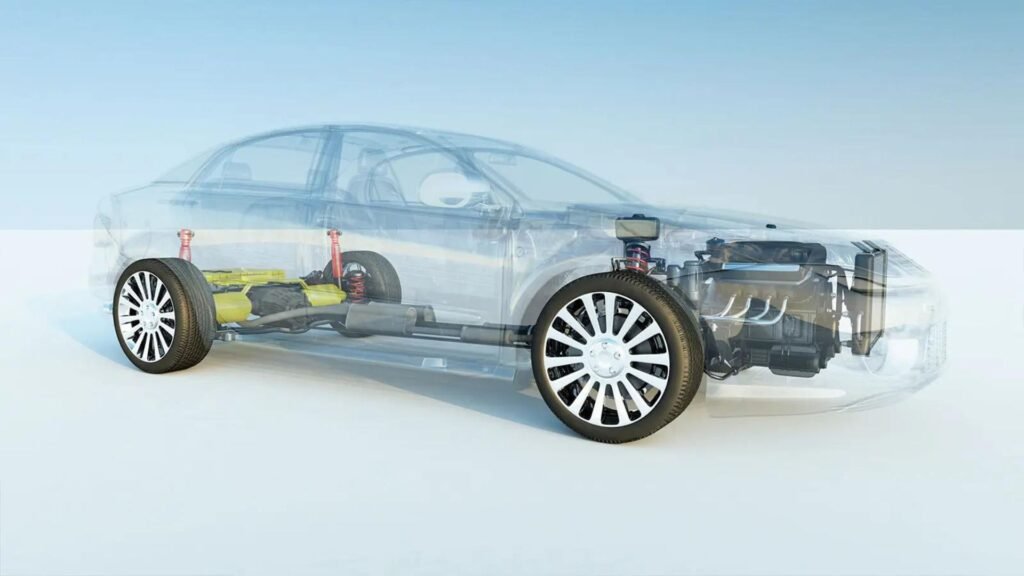
Electric vehicles are powered entirely by electricity stored in batteries. They have no internal combustion engine and produce zero tailpipe emissions.

Zero Emissions

One of the main advantages of electric vehicles is their zero tailpipe emissions. EVs help reduce air pollution and greenhouse gas emissions, making them an excellent choice for environmentally conscious drivers. By using electricity rather than gasoline, they contribute to a cleaner environment.

Limited Range and Charging

While EVs offer significant environmental benefits, they also come with some limitations. The driving range of an electric vehicle depends on the battery size and efficiency. Although many modern EVs now offer a range suitable for most daily driving needs, longer trips may require careful planning. Additionally, charging infrastructure is still expanding, which can impact convenience, especially in areas with fewer charging stations.

Higher Initial Cost

Electric vehicles typically have a higher upfront cost compared to traditional gasoline-powered cars. However, this cost can be offset over time through lower operating expenses, such as reduced fuel and maintenance costs. Many governments also offer incentives and rebates to help reduce the initial purchase price of EVs.

Exploring Hybrid Vehicles

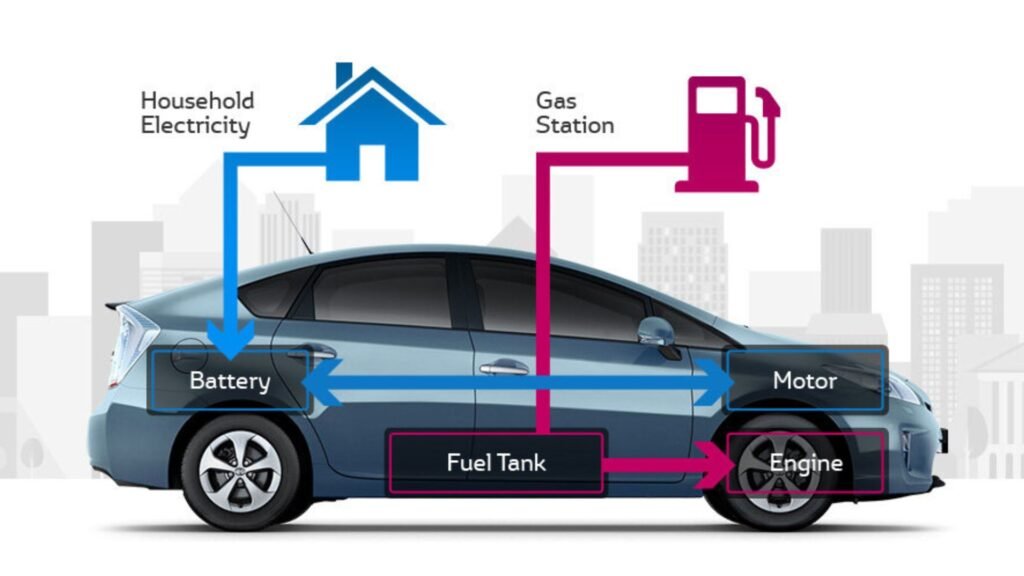
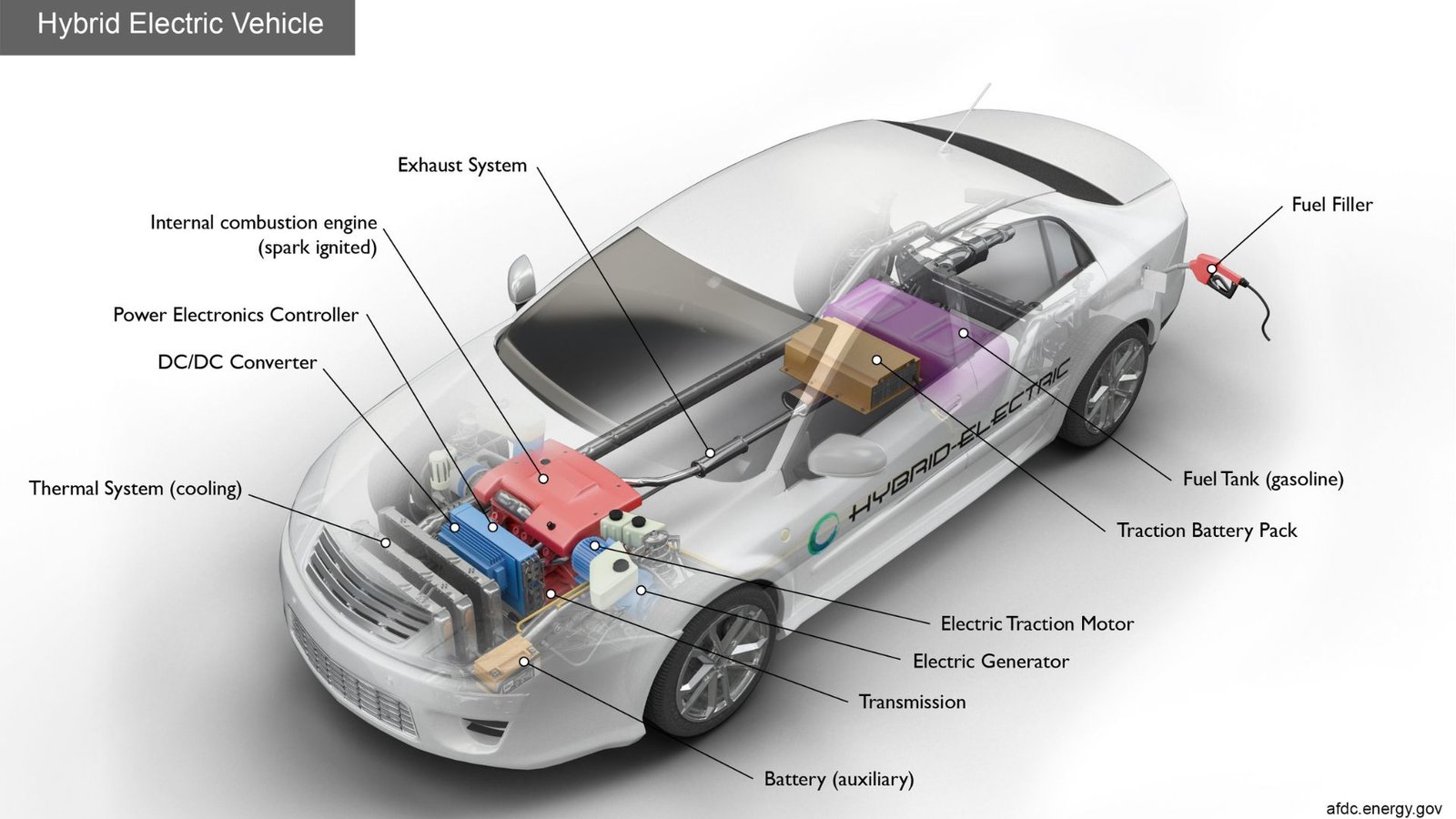
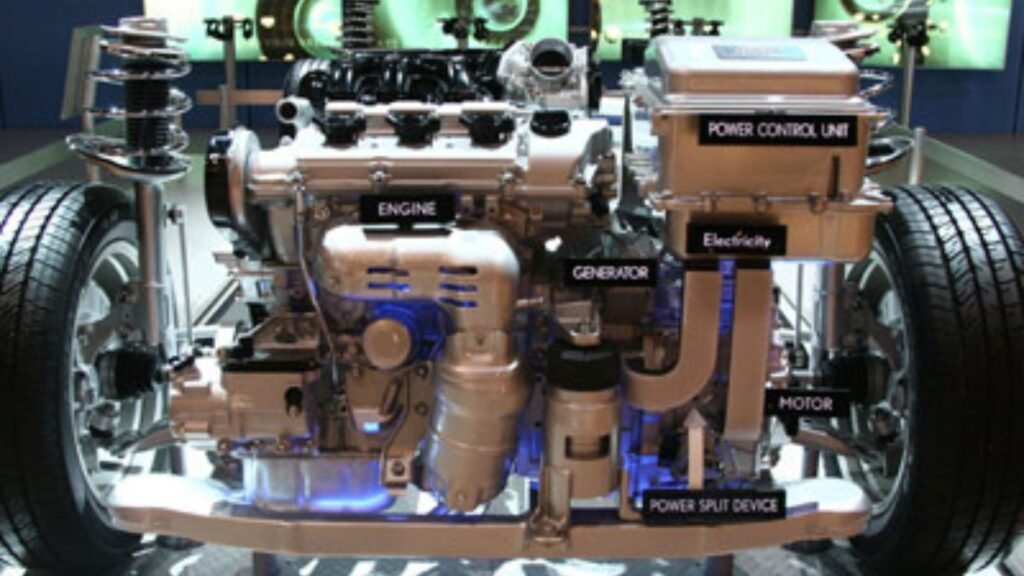
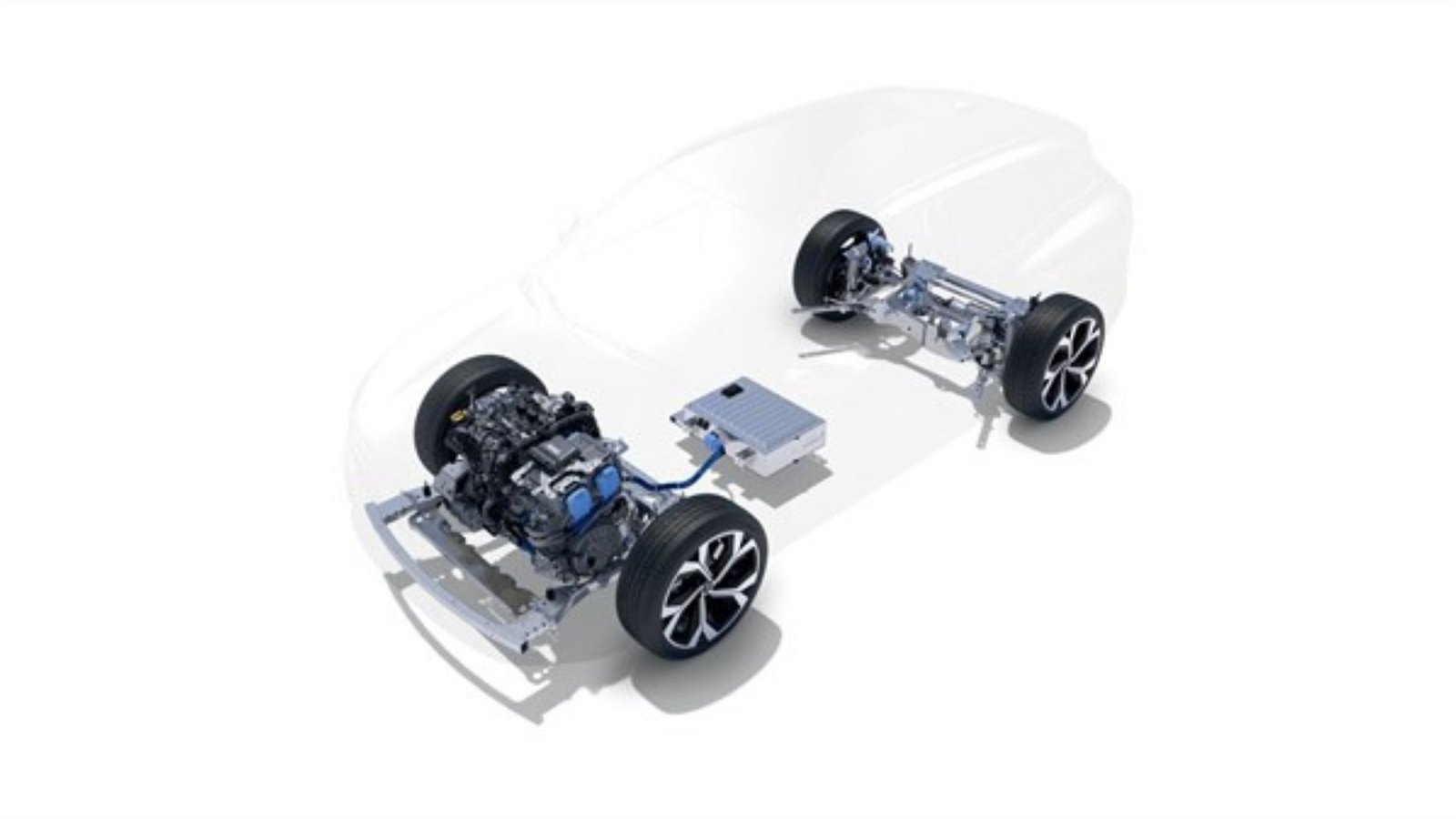
Hybrid vehicles combine an internal combustion engine with an electric motor, which can work together or independently to power the car.

Improved Fuel Efficiency

Hybrids offer better fuel efficiency compared to traditional gasoline vehicles. The combination of an electric motor and a gasoline engine allows hybrids to use less fuel and produce fewer emissions. This is particularly beneficial in stop-and-go traffic, where the electric motor can handle low-speed driving while the gasoline engine kicks in at higher speeds.

Lower Emissions

While hybrid vehicles do produce some emissions, they are significantly lower than those of conventional vehicles. Hybrids help reduce overall pollution and can be a good option for drivers who want to lower their environmental impact without fully committing to an electric vehicle.

Lower Initial Cost

Hybrids generally have a lower initial purchase price compared to electric vehicles. They also benefit from the availability of a wide range of models and price points, making them more accessible to a broader audience. However, hybrids still have some ongoing costs related to fuel and maintenance.

Key Differences Between EVs and Hybrids

To understand how electric vehicles and hybrids compare, let’s look at some key differences:

Environmental Impact

Electric vehicles have a clear advantage in terms of environmental impact. They produce zero tailpipe emissions, making them a better choice for reducing air pollution and combating climate change. Hybrids, while more eco-friendly than traditional vehicles, still rely on gasoline and produce some emissions.

Driving Range and Refueling

Electric vehicles are limited by their battery range, though advancements are improving this aspect. Charging can also take longer than refueling a gasoline or hybrid vehicle. In contrast, hybrids offer the convenience of a gasoline engine for extended range, reducing concerns about running out of power and eliminating the need for frequent charging stops.

Maintenance and Running Costs

Electric vehicles generally have lower maintenance costs due to fewer moving parts and no need for oil changes. However, battery replacement can be a significant expense. Hybrids require maintenance on both the electric and gasoline components, which can lead to higher costs over time. However, hybrids still benefit from improved fuel efficiency, which helps lower overall running costs.

Driving Experience

Electric vehicles offer a smooth and quiet driving experience, thanks to the lack of an internal combustion engine. They also provide instant torque and responsive acceleration. Hybrids, while generally offering a quieter ride than traditional vehicles, still have an internal combustion engine that may produce noise and vibrations.

Choosing the Right Vehicle for You

When deciding between an electric vehicle and a hybrid, consider your driving habits, budget, and environmental goals.

Daily Commutes vs. Long Trips

If your daily driving needs are within the range of an electric vehicle and you have access to convenient charging, an EV might be a great choice. For those who frequently drive long distances or lack easy access to charging stations, a hybrid could offer the best of both worlds with improved fuel efficiency and the convenience of gasoline refueling.

Budget Considerations

While electric vehicles have higher initial costs, they may offer savings over time through lower operating expenses. Hybrids typically have a lower upfront cost but still involve ongoing fuel and maintenance costs. Evaluate your budget and consider potential savings from reduced fuel expenses when making your decision.

Environmental Goals

If your primary goal is to minimize environmental impact, an electric vehicle is the more sustainable option due to its zero emissions. Hybrids are a good intermediate choice for those who want to reduce their carbon footprint but are not ready to commit to a fully electric vehicle.

Conclusion

In conclusion, both electric vehicles and hybrid vehicles offer unique benefits and challenges. Electric vehicles excel in zero emissions and lower maintenance costs, while hybrids provide better fuel efficiency and flexibility for longer trips. By considering your driving needs, budget, and environmental goals, you can make an informed decision on which type of vehicle best suits your lifestyle. As technology continues to advance, both options will likely offer even more benefits, making sustainable transportation more accessible to everyone.

Restorers for Vintage Cars
Top Restorers for Vintage Cars

Finding the right restorers for vintage cars is essential if you want to bring your classic vehicle back to its former glory. Whether it’s a treasured family heirloom or a recent purchase, vintage cars require special attention to detail and expertise that only skilled restorers can provide. In this article, we’ll highlight the importance of choosing the right restorer for your vintage car and share tips on finding the best professionals in the industry. By understanding what to look for, you can ensure that your car is restored with care, precision, and passion.

Why Choosing the Right Restorer Matters

Choosing the right restorers for vintage cars is crucial because these vehicles often require specialized knowledge and tools. Vintage cars come with unique challenges, such as sourcing original parts and understanding the design and mechanics of older models. A skilled restorer not only has the technical skills but also a deep appreciation for the history and craftsmanship that goes into every car. Therefore, selecting a restorer who shares your passion for vintage vehicles can make all the difference in the quality of the restoration.

Restorers for Vintage Cars

Look for Experience and Expertise

When searching for restorers for vintage cars, experience should be a top priority. Restoring classic vehicles is not the same as working on modern cars. It requires a specific set of skills that are developed over years of hands-on experience. Look for professionals who have a proven track record in vintage car restoration. Ask to see examples of their past work and inquire about the types of cars they have restored. An experienced restorer will have a portfolio of successful projects and happy customers.

Ask About Their Restoration Process

Understanding the restoration process is another important factor when choosing restorers for vintage cars. A quality restorer will be transparent about the steps they take, from initial assessment to final delivery. They should provide a detailed plan that includes timelines, costs, and the types of materials they will use. Moreover, they should explain how they source parts and their approach to preserving the car’s originality. A clear restoration process ensures that you know what to expect and helps build trust with the restorer.

Check for Specialization in Your Car’s Make and Model

Not all restorers for vintage cars are the same. Some specialize in specific makes and models, which can be an advantage if you own a car from a particular brand. For example, if you have a vintage Ford Mustang or a classic Chevrolet, look for restorers who have extensive experience working with those brands. Specialization means that the restorer is familiar with the common issues and solutions specific to that make, leading to a higher quality restoration.

Seek Recommendations and Reviews

Word of mouth is a valuable tool when looking for restorers for vintage cars. Talk to other vintage car owners, attend car shows, and join online forums to get recommendations. Reviews and testimonials from previous customers can provide insights into the restorer’s reputation and quality of work. A restorer with positive reviews and high recommendations is more likely to deliver satisfactory results.

Inspect Their Workshop and Facilities

Before committing to a restorer, visit their workshop to see their facilities. A well-organized and clean workshop is a sign of professionalism and attention to detail. Check if they have the right equipment and tools necessary for vintage car restoration. Also, observe how they handle cars currently in the shop. Seeing their work environment firsthand can give you confidence in their ability to take good care of your vintage car.

Discuss Budget and Payment Terms

Restoring vintage cars can be a significant investment, so it’s important to discuss the budget and payment terms upfront. A reliable restorer will provide a detailed estimate and be clear about any additional costs that may arise during the restoration process. Make sure you have a written agreement that outlines the costs, payment schedule, and any warranties on the work done. This transparency helps prevent misunderstandings and ensures that both parties are on the same page.

Communication is Key

Good communication is essential when working with restorers for vintage cars. A restorer who keeps you updated on the progress of your car, responds to your inquiries and provides regular updates shows professionalism and respect for your investment. Open communication ensures that any issues are addressed promptly and that you are kept informed throughout the restoration journey.

Conclusion

Finding the right restorers for vintage cars is essential for a successful restoration. By choosing experienced professionals who specialize in your car’s make and model, you ensure that your vehicle is in capable hands. Remember, restoration is not just about fixing a car; it’s about preserving a piece of history. So, take your time, do your research, and trust the experts who share your love for vintage cars.

Forecast for Electric Vehicle Sales

The electric vehicle (EV) market is experiencing rapid growth, driven by advancements in technology, environmental policies, and changing consumer preferences. As more people and businesses adopt EVs, understanding the sales forecast can provide valuable insights into the future of transportation. Here’s an overview of the projected growth in electric vehicle sales and the factors influencing this trend.

Forecast for Electric Vehicle Sales

Projected Growth in EV Sales

The electric vehicle market is expected to expand significantly over the coming years. According to various industry reports and forecasts:

Increasing Market Share

Electric vehicles are projected to capture a larger share of the global automotive market. Sales of EVs are expected to grow from approximately 10% of new car sales in 2023 to over 30% by 2030. This growth reflects increasing consumer adoption and expanding EV options across different price ranges and vehicle types.

Rising Annual Sales Volumes

Annual sales volumes for electric vehicles are forecasted to rise substantially. For example, global EV sales are anticipated to exceed 20 million units annually by 2030. This represents a significant increase from current sales figures and indicates a strong shift towards electric mobility.

Growth in Emerging Markets

While North America and Europe have been leading in EV adoption, emerging markets are also expected to see substantial growth. Countries in Asia-Pacific, particularly China and India, are projected to experience rapid increases in EV sales due to supportive policies, growing economies, and rising environmental awareness.

Key Factors Driving EV Sales Growth

Several factors are contributing to the robust growth forecast for electric vehicle sales:

Technological Advancements

Technological advancements in battery technology, electric drivetrains, and charging infrastructure are making EVs more accessible and appealing. Innovations such as longer battery ranges, faster charging times, and more affordable battery costs are driving increased consumer interest and adoption.

Government Policies and Incentives

Government policies and incentives play a crucial role in boosting EV sales. Many governments around the world are implementing stricter emissions regulations, offering tax credits and rebates, and investing in charging infrastructure to support the transition to electric vehicles. These measures make EVs more attractive to consumers and accelerate market growth.

Environmental Awareness

Growing environmental awareness and concern about climate change are influencing consumer choices. Many people are increasingly looking for sustainable transportation options to reduce their carbon footprint. Electric vehicles, with their zero tailpipe emissions, align with these environmental goals and are becoming a popular choice.

Expanding EV Model Options

The expanding range of electric vehicle models, including sedans, SUVs, trucks, and luxury vehicles, is attracting a broader audience. As manufacturers introduce more options that cater to different needs and preferences, the appeal of EVs continues to grow.

Challenges to EV Sales Growth

Despite the positive outlook, there are several challenges that could impact the growth of electric vehicle sales:

Charging Infrastructure Development

The development of comprehensive charging infrastructure is crucial for supporting the widespread adoption of electric vehicles. While progress is being made, ensuring that there are sufficient and accessible charging stations remains a challenge, particularly in rural and less developed areas.

Battery Supply and Sustainability

The supply of raw materials for batteries, such as lithium, cobalt, and nickel, can impact the production and cost of electric vehicles. Ensuring a sustainable and ethical supply chain for these materials is important for the long-term viability of the EV market.

Consumer Education and Perception

Educating consumers about the benefits of electric vehicles and addressing misconceptions is essential for increasing adoption. While awareness is growing, there is still work to be done to inform potential buyers about the advantages of EVs and the advancements in technology that address previous concerns.

Future Trends in Electric Vehicle Sales

Looking ahead, several trends are likely to shape the future of electric vehicle sales:

Growth in Autonomous EVs

The development of autonomous driving technology is expected to complement the growth of electric vehicles. Autonomous EVs can offer enhanced convenience and safety features, making them even more attractive to consumers and potentially increasing sales.

Expansion of EV Fleets

As more companies and organizations commit to sustainability goals, we are likely to see an increase in electric vehicle fleets. Businesses, delivery services, and public transportation agencies are adopting EVs to reduce their environmental impact and operational costs.

Integration with Smart City Technologies

Electric vehicles are expected to be integrated with smart city technologies, such as intelligent traffic management and vehicle-to-grid systems. This integration can enhance the efficiency of urban transportation and further boost the adoption of EVs.

Conclusion

In conclusion, the forecast for electric vehicle sales is highly positive, with significant growth expected in the coming years. Driven by technological advancements, supportive government policies, and increasing environmental awareness, the electric vehicle market is set to expand substantially. While challenges such as charging infrastructure and battery supply remain, the overall outlook for EV sales is promising. As the market continues to evolve, electric vehicles are poised to become a dominant force in the automotive industry, shaping the future of transportation.

Insuring Your Vintage Car

When it comes to insuring your vintage car, the process is quite different from insuring a regular vehicle. Vintage cars, often referred to as classic cars, require special attention because of their unique value, both emotionally and financially. In this article, we’ll guide you through the ins and outs of insuring your vintage car, ensuring you get the right coverage to protect your prized possession. From understanding why specialized insurance is necessary to choose the right type of coverage, let’s dive into everything you need to know about insuring your vintage car.

Why Insuring Your Vintage Car Is Different

Insuring your car is different because these vehicles often have a higher value than modern cars, especially if they are well-maintained or restored. The value of a vintage car can increase over time, which means the insurance policy should reflect that. Standard car insurance may not cover the full value of a vintage car in case of damage or theft.

Insuring Your Vintage Car

Agreed Value Coverage: Essential for Vintage Cars

One key feature to look for when insuring your car is agreed value coverage. This type of insurance means that you and the insurer agree on the value of the car at the time the policy is written. In the event of a total loss, you will receive the agreed-upon amount, without depreciation.

Understanding Usage Restrictions

When you’re insuring your vintage car, it’s important to understand that classic car insurance policies often come with usage restrictions.

Storage Requirements for Insuring Your Vintage Car

Storage plays a crucial role in ensuring your vintage car. Proper storage protects the car from potential damage due to weather conditions, theft, or vandalism. Having a secure storage space can also help lower your insurance premiums, as it reduces the risk associated with insuring your car.

Selecting the Right Insurance Provider

Choosing the right insurance provider is essential when insuring your car. Not all insurance companies offer specialized classic car insurance, so it’s important to find a provider that understands the unique needs of vintage car owners. Look for companies with experience in classic car insurance and check customer reviews and ratings. A provider with a good reputation in the vintage car community is more likely to offer reliable coverage and excellent customer service.

Factors That Affect Your Insurance Premiums

Several factors can affect the cost of insuring your car. These include the car’s make and model, its value, your driving history, and the car’s usage. Additionally, the location where you store the car can influence your premium. Cars stored in areas with higher rates of theft or natural disasters may have higher insurance costs. By keeping your car in a secure and safe location, you can potentially lower your premiums.

Adding Special Coverage Options

When insuring your vintage car, you may want to consider adding special coverage options. For example, roadside assistance tailored for vintage cars can be a valuable addition. You might also want to add coverage for spare parts, as finding and replacing parts for vintage cars can be costly and time-consuming.

Conclusion

Insuring your vintage car is about more than just meeting legal requirements; it’s about protecting a piece of automotive history and your passion. Remember, your vintage car is not just a vehicle; it’s a valuable asset that deserves the best protection possible.

Solutions for Electric Vehicles Travel

Electric vehicles (EVs) offer many advantages, including reduced emissions and lower operating costs. However, traveling with an EV presents unique challenges, such as range anxiety and charging infrastructure. Fortunately, there are several solutions and strategies to address these issues and make electric vehicle travel more convenient and efficient. Here’s a look at some effective solutions for electric vehicles travel.

Solutions for Electric Vehicles Travel

Enhancing Charging Infrastructure

One of the primary concerns for EV drivers is finding a reliable place to charge. Expanding and improving charging infrastructure is crucial for overcoming this challenge.

Expanding Public Charging Networks

To ensure that EV drivers have access to charging stations, many cities and regions are investing in expanding public charging networks. This includes installing charging stations in high-traffic areas such as shopping centers, parking lots, and highway rest stops. Increased availability of charging points helps reduce range anxiety and makes long-distance travel more feasible.

Fast Charging Stations

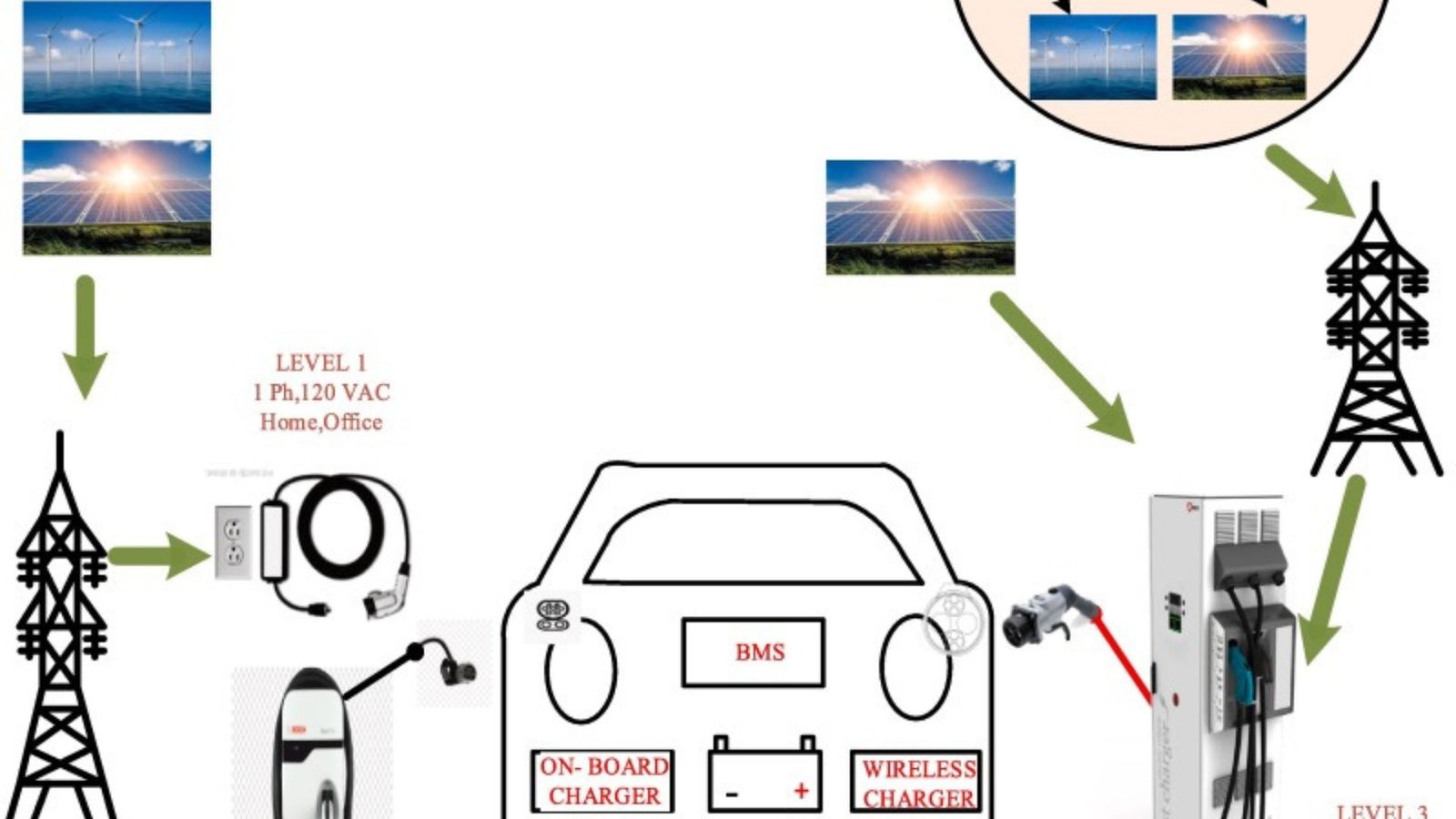
Fast charging stations are essential for quick top-ups and long journeys. These stations can provide up to 80% charge in as little as 30 minutes. By increasing the number of fast charging stations along major travel routes and in urban areas, EV drivers can minimize downtime and continue their trips with fewer interruptions.

Home Charging Solutions

For daily use, home charging is a convenient option. Installing a Level 2 home charging station allows EV owners to recharge their vehicles overnight, ensuring a full battery each morning. Many utilities and local governments offer incentives for installing home chargers, making this option more accessible and affordable.

Addressing Range Anxiety

Range anxiety, or the fear of running out of battery power before reaching a charging station, is a common concern for EV drivers. There are several ways to alleviate this worry:

Real-Time Charging Information

Utilizing apps and in-vehicle navigation systems that provide real-time information about nearby charging stations can help drivers plan their routes more effectively. These tools can show the location, availability, and type of chargers, making it easier to find a suitable charging point.

Range Optimization Features

Many electric vehicles come equipped with features that help optimize range. For example, regenerative braking systems, energy-efficient climate control, and eco-driving modes can extend the driving range by reducing energy consumption. Familiarizing yourself with these features and using them effectively can help you get the most out of your EV’s battery.

Route Planning Tools

Advanced route planning tools can calculate the optimal route based on your vehicle’s current charge, available charging stations, and driving conditions. These tools can help you avoid running out of battery power by guiding you to the nearest or most convenient charging locations.

Improving Battery Technology

Advancements in battery technology play a crucial role in enhancing electric vehicle travel.

Longer Battery Life

New developments in battery chemistry and design are increasing the energy density and lifespan of EV batteries. As battery technology continues to improve, electric vehicles will offer longer ranges and reduced concerns about battery degradation over time.

Faster Charging Technology

Innovations in charging technology, such as ultra-fast chargers and improved charging protocols, are reducing charging times and increasing convenience. Future advancements are expected to further decrease charging durations, making it easier to fit charging into your schedule.

Battery Recycling and Second-Life Uses

Efficient battery recycling processes and second-life applications for used batteries are helping to address environmental concerns and improve sustainability. Used EV batteries can be repurposed for energy storage systems, which can support renewable energy grids and reduce overall waste.

Supporting Policies and Incentives

Government policies and incentives can significantly impact the adoption and convenience of electric vehicle travel.

Government Subsidies and Tax Credits

Many governments offer subsidies, tax credits, and rebates to reduce the cost of purchasing and maintaining electric vehicles. These financial incentives can make EVs more affordable and encourage wider adoption.

Investment in Charging Infrastructure

Government investments in charging infrastructure can help address gaps in coverage and support the growth of public charging networks. By funding the installation of charging stations and supporting research into new technologies, governments can enhance the overall EV travel experience.

Emission Regulations and Incentives

Regulations that promote low-emission vehicles and support the development of sustainable transportation can drive the adoption of electric vehicles. Incentives for businesses and property owners to install charging infrastructure can also increase the availability of charging points.

Advancing Vehicle-to-Grid Technology

Vehicle-to-grid (V2G) technology allows electric vehicles to interact with the power grid, providing additional benefits for both EV owners and the energy grid.

Energy Storage and Grid Support

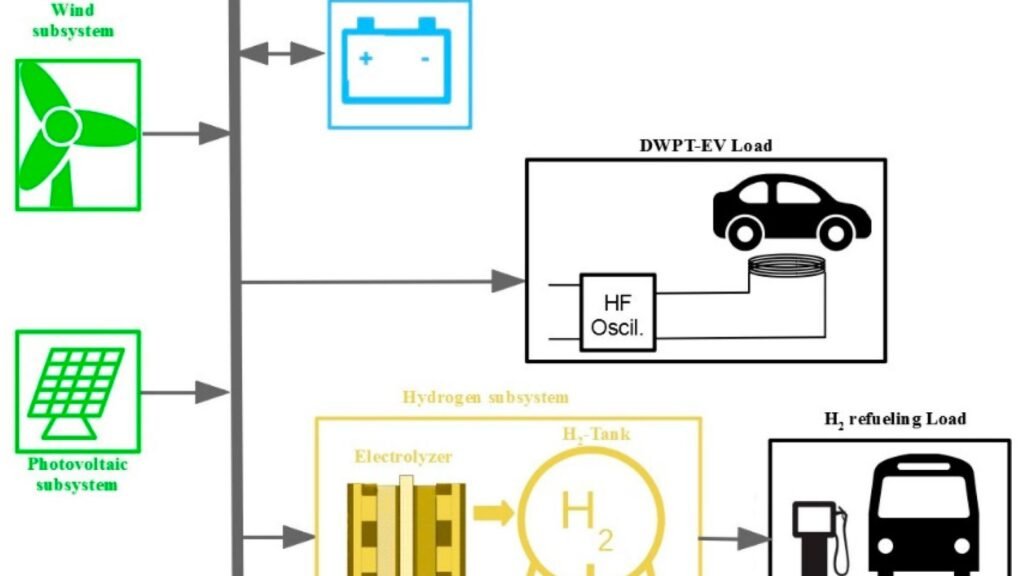
V2G technology enables EVs to store excess energy from renewable sources and feed it back into the grid during peak demand periods. This helps stabilize the energy grid and supports the integration of renewable energy sources.

Financial Incentives for EV Owners

By participating in V2G programs, EV owners may receive financial incentives or reduced energy costs. These programs can help offset the costs of owning and operating an electric vehicle, making EV travel even more attractive.

Conclusion

In conclusion, addressing the challenges of electric vehicles travel involves a combination of enhanced charging infrastructure, advancements in battery technology, and supportive policies. By expanding public and home charging options, optimizing range management, and investing in technological innovations, the convenience and efficiency of electric vehicle travel can be greatly improved. As these solutions continue to develop, electric vehicles will become an increasingly viable option for drivers seeking a sustainable and efficient mode of transportation.

Cost Comparison for EV Maintenance

When considering an electric vehicle (EV), one important factor to evaluate is the cost of maintenance. Many people are attracted to EVs due to their environmental benefits and the promise of lower running costs. But how do EV maintenance costs compare to those of traditional gasoline-powered vehicles? Let’s explore the differences and uncover which type of vehicle is more cost-effective to maintain.

Cost Comparison for EV Maintenance

Maintenance Costs for Electric Vehicles

Electric vehicles are known for their simplicity and efficiency, which often translates to lower maintenance costs compared to traditional vehicles.

Fewer Moving Parts

One of the main advantages of electric vehicles is their reduced number of moving parts. Unlike internal combustion engines, which have many components that wear out and require regular servicing, EVs have fewer mechanical parts. This means less frequent repairs and lower maintenance costs.

No Oil Changes

Electric vehicles do not require oil changes because they don’t have internal combustion engines. This eliminates a recurring expense that is necessary for gasoline-powered vehicles. Traditional vehicles need regular oil changes to keep the engine running smoothly, which can add up over time.

Less Brake Wear

EVs often use regenerative braking, which helps to slow down the vehicle by converting kinetic energy back into electrical energy. This process reduces the wear on the traditional braking system. As a result, EVs typically experience less brake pad wear and require less frequent brake replacements.

Cooling System Maintenance

While EVs do have cooling systems, they are generally simpler than those found in gasoline vehicles. The cooling systems in EVs primarily manage the temperature of the battery and electric motor. These systems tend to be less complex and require less maintenance compared to the cooling systems of internal combustion engines.

Maintenance Costs for Traditional Gasoline Vehicles

Traditional gasoline vehicles have different maintenance needs and associated costs.

Engine Maintenance

Gasoline engines have many moving parts, including pistons, valves, and camshafts, all of which can require regular maintenance. This includes oil changes, filter replacements, and engine tune-ups. Over time, these expenses can add up, making engine maintenance a significant cost for traditional vehicles.

Transmission Service

Traditional vehicles often require transmission fluid changes and servicing. Transmissions in gasoline vehicles can be complex and may need repairs or replacements, especially as they age. These services can be costly and are not typically required for electric vehicles.

Exhaust System Repairs

Gasoline vehicles have exhaust systems that can require maintenance or repairs over time. Components like the catalytic converter and muffler can wear out and need replacement. Electric vehicles, having no exhaust system, do not face these maintenance costs.

Factors Influencing Maintenance Costs

Several factors can influence maintenance costs for both electric and traditional vehicles.

Driving Habits

Your driving habits play a significant role in maintenance costs. Frequent short trips can lead to more wear on brakes and tires, while long highway drives can result in engine strain. For EVs, driving habits can affect battery health and tire wear.

Vehicle Brand and Model

The brand and model of the vehicle can also impact maintenance costs. Some brands offer more affordable parts and services than others. Additionally, luxury or high-performance vehicles may have higher maintenance costs due to more expensive parts and specialized servicing.

Warranty Coverage

Warranty coverage can significantly affect maintenance costs. Many electric vehicles come with extensive warranties that cover battery and powertrain issues. Similarly, traditional vehicles often come with warranties, but the scope and duration can vary. It’s important to review warranty details to understand what maintenance and repairs are covered.

Long-Term Cost Savings

While the initial purchase price of an electric vehicle may be higher than that of a traditional vehicle, the long-term maintenance costs can be lower. The absence of oil changes, reduced brake wear, and fewer moving parts contribute to lower overall maintenance expenses.

Fuel Savings

In addition to maintenance savings, electric vehicles offer significant fuel cost savings. Electricity is generally cheaper than gasoline, and EVs are more energy-efficient. Over time, these savings can contribute to a lower total cost of ownership.

Resale Value

Electric vehicles are becoming increasingly popular, which can positively impact their resale value. Many EVs retain their value well due to their lower maintenance costs and growing market demand. Traditional vehicles, particularly those with high maintenance costs, may not have the same level of resale value.

Conclusion

In conclusion, electric vehicles generally offer lower maintenance costs compared to traditional gasoline-powered vehicles. With fewer moving parts, no need for oil changes, and reduced brake wear, EVs can lead to significant savings over time. While the initial purchase price of an EV may be higher, the long-term benefits, including lower maintenance and fuel costs, make them an attractive option for many drivers. By understanding the cost comparison for EV maintenance, you can make a more informed decision about whether an electric vehicle is the right choice for you.

Vintage Cars for Investment
Best Vintage Cars for Investment

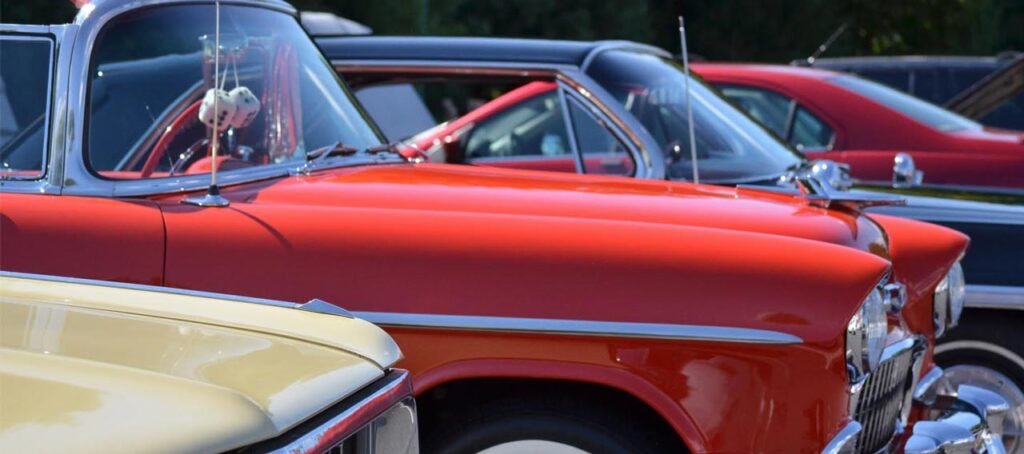
Investing in vintage cars can be an exciting and profitable endeavor. Whether you are a car enthusiast or looking for a solid investment opportunity, selecting the right vintage cars for investment is crucial. In this article, I will guide you through some of the best vintage cars to consider for investment. These classic vehicles not only offer a slice of automotive history but also have the potential to be appreciated over time. With careful selection and proper care, investing in vintage cars can be a rewarding experience.

Why Invest in Vintage Cars?

Vintage cars for investment offer more than just a piece of nostalgia; they are tangible assets that can provide significant returns. Unlike stocks and bonds, which can be unpredictable, vintage cars tend to retain their value and, in many cases, appreciate over time. Additionally, vintage cars are often sought after by collectors, which means there is usually a market for them. Investing in vintage cars also allows you to enjoy a beautiful piece of machinery, and with the right care, these cars can be both a passion and a profitable venture.

Vintage Cars for Investment

1960s Ford Mustang: A Classic Investment

The 1960s Ford Mustang is a prime example of a vintage car that makes for an excellent investment. Known for its iconic design and powerful performance, the Mustang is a favorite among car enthusiasts. The first-generation Mustangs, especially those produced between 1964 and 1969, have seen a steady increase in value over the years. Their popularity means there is always demand, making them a reliable choice for investment. Additionally, Mustangs are relatively easy to maintain, with plenty of parts available, which helps keep maintenance costs low.

Porsche 911: Timeless Appeal and Value

Another great option when considering vintage cars for investment is the Porsche 911. This model has a longstanding reputation for quality and performance, making it a favorite among collectors. Early models from the 1960s and 1970s are particularly sought after. The Porsche 911 offers a combination of sleek design, powerful engines, and exceptional handling. Its timeless appeal ensures that it remains popular, and its value has consistently appreciated over the years. Investing in a Porsche 911 is not only a safe bet but also provides the thrill of owning a true sports car legend.

Jaguar E-Type: Elegance and Investment Potential

The Jaguar E-Type is often regarded as one of the most beautiful cars ever made, and its value as an investment has mirrored this admiration. Produced between 1961 and 1975, the E-Type combines British elegance with impressive performance. Collectors highly value the earlier models, particularly those with the 3.8-liter engine. The E-Type’s stunning design and limited production numbers make it a wise choice for anyone looking to invest in vintage cars. As the years pass, the value of well-maintained E-Types continues to climb, making them a solid investment option.

Mercedes-Benz 300SL: Luxury and Rarity

When discussing vintage cars for investment, the Mercedes-Benz 300SL is often mentioned due to its rarity and historical significance. Known for its iconic gullwing doors and groundbreaking engineering, the 300SL was ahead of its time. Produced in the 1950s, this car was one of the first to feature fuel injection. The limited production numbers and innovative design make the 300SL a highly sought-after collector’s item. Its value has only increased over the years, making it one of the best vintage cars for investment if you have the budget to acquire one.

Volkswagen Beetle: Affordable Classic with Growing Popularity

For those looking to invest in vintage cars without spending a fortune, the Volkswagen Beetle offers a fantastic opportunity. The Beetle is one of the most recognizable and beloved cars in automotive history. Produced in large numbers, they were affordable and reliable. While early models may not have the high value of some other vintage cars, their popularity is growing among collectors. The simplicity and charm of the Beetle, along with its ease of maintenance, make it a great starting point for new investors.

Ferrari 250 GTO: The Holy Grail of Investments

No list of vintage cars for investment would be complete without mentioning the Ferrari 250 GTO. Often referred to as the holy grail of classic cars, the 250 GTO is not only a stunning vehicle but also one of the most valuable cars in the world. With only 36 units ever produced, its rarity and performance have made it highly coveted by collectors. The Ferrari 250 GTO has set records at auctions, fetching prices well into the tens of millions. If you have the resources, investing in a Ferrari 250 GTO could be the pinnacle of vintage car investment.

Conclusion

Investing in vintage cars can be both a passion and a smart financial decision. However, it’s essential to choose wisely to ensure long-term returns. Vintage cars like the Ford Mustang, Porsche 911, Jaguar E-Type, Mercedes-Benz 300SL, Volkswagen Beetle, and Ferrari 250 GTO are among the best options for investment due to their historical significance, popularity, and potential for value appreciation. By carefully selecting and maintaining your vintage cars, you can enjoy the beauty of these classic vehicles while watching your investment grow.

Storing Vintage Cars Properly

Storing vintage cars properly is essential to maintaining their beauty and functionality for years to come. Whether you own a classic car for personal enjoyment or as a valuable investment, proper storage techniques are crucial. In this article, we’ll share tips and best practices for storing vintage cars properly to ensure they remain in pristine condition. From choosing the right location to regular maintenance, these tips will help you protect your cherished vehicle.

Choose the Right Storage Location

The first step in storing vintage cars properly is selecting the right storage location. Ideally, you should store your classic car in a garage or a dedicated storage facility that offers protection from the elements. Exposure to harsh weather conditions, such as rain, snow, and extreme temperatures, can cause significant damage to your car’s exterior and interior. A controlled environment, such as a climate-controlled garage, helps prevent rust, mold, and deterioration of upholstery. If you don’t have access to a climate-controlled space, at least ensure the storage area is dry, clean, and secure from potential threats like theft or vandalism.

Storing Vintage Cars Properly

Clean the Car Thoroughly Before Storage

Before storing your vintage car, it’s crucial to clean it thoroughly. Dirt, dust, and grime can damage the paint and finish if left on the car for extended periods. Start by washing the car’s exterior with a mild soap and water solution, paying special attention to areas where dirt accumulates, such as wheel wells and undercarriages. After washing, dry the car completely to prevent moisture buildup. Additionally, clean the interior, vacuum the carpets and seats, and wipe down all surfaces. A clean car not only looks better but also prevents potential damage from contaminants.

Apply a Protective Wax Coating

Applying a protective wax coating is another essential step in storing vintage cars properly. Waxing the car’s exterior provides a layer of protection against dust, moisture, and UV rays, which can cause paint to fade and crack over time. Use high-quality car wax and follow the manufacturer’s instructions for the best results. After applying the wax, allow it to dry, and then buff the car to a shine. This extra step helps maintain the car’s appearance and protects the paint from potential damage while in storage.

Maintain the Battery

When storing vintage cars for an extended period, maintaining the battery is crucial. A car’s battery can lose its charge over time, especially if the vehicle is not driven regularly. To prevent the battery from dying, consider using a battery maintainer or trickle charger. These devices keep the battery charged without overcharging it, ensuring that your car is ready to start when you’re ready to take it out of storage. Alternatively, you can disconnect the battery to prevent it from draining, but remember to store it in a cool, dry place.

Check and Change Fluids

Storing vintage cars properly involves checking and, if necessary, changing the car’s fluids before storage. Oil, coolant, brake fluid, and transmission fluid can degrade over time, leading to corrosion and damage to the engine and other components. Before storing your car, change the oil and filter, and top off the coolant, brake, and transmission fluids. If the car will be stored for a long time, consider using a fuel stabilizer to prevent the gasoline from breaking down and causing engine issues.

Protect the Tires

Tire care is an important part of storing vintage cars properly. Over time, tires can develop flat spots if the car is not moved. To prevent this, inflate the tires to the recommended pressure and check them regularly. If possible, consider placing the car on jack stands to relieve the weight from the tires and suspension. This not only prevents flat spots but also reduces the stress on the suspension components, keeping them in better condition.

Use a Quality Car Cover

A high-quality car cover is a must for storing vintage cars properly. Even in a garage, dust and debris can settle on the car’s surface, leading to scratches and other damage. Choose a car cover made from breathable material that fits your car snugly. A breathable cover allows moisture to escape while keeping dust and dirt away from the car’s surface. Avoid using plastic covers, as they can trap moisture and cause rust and mold.

Regularly Start the Engine

If possible, start the engine of your vintage car regularly, even when it’s in storage. Running the engine allows oil to circulate and lubricate the engine components, preventing them from seizing up. Additionally, starting the car helps maintain the battery and prevents fuel from deteriorating. If you can’t start the car, at least turn the engine over a few times to keep it in good working order.

Monitor the Storage Environment

Keeping an eye on the storage environment is key to storing vintage cars properly. Regularly check for signs of moisture, mold, or pests that could harm your car. Using a dehumidifier can help maintain a dry environment, reducing the risk of rust and mold. Also, consider using rodent repellents to prevent animals from nesting in the car’s engine bay or interior.

Conclusion

Storing vintage cars properly is essential for preserving their beauty and functionality. By choosing the right location, cleaning the car, maintaining the battery, checking fluids, protecting the tires, using a car cover, and monitoring the environment, you can ensure your classic car stays in top condition. Following these tips will help you enjoy your vintage car for many years to come, keeping it ready to hit the road whenever you are.