

AlternativeAutomobile29
Search for:
Urban Driving Benefits of Hybrid Vehicles

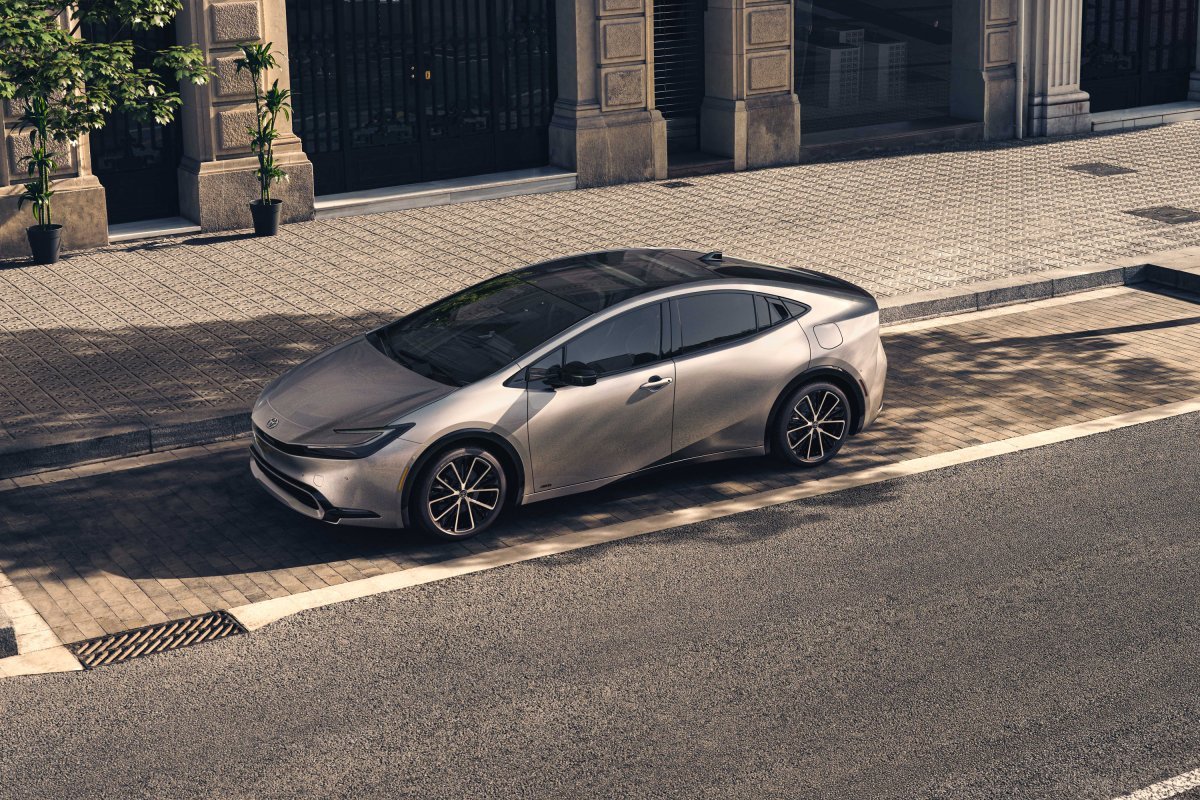
Hybrid vehicles have gained popularity for their impressive fuel efficiency and eco-friendly design. However, they offer even more advantages, particularly for urban driving. In cities, where traffic congestion and frequent stops are common, hybrid vehicles shine. This article will explore the urban driving benefits of hybrid vehicles, highlighting why they are an excellent choice for city dwellers. From fuel savings to environmental impact, hybrids offer numerous perks that make city driving more enjoyable and economical.

Urban Driving Benefits of Hybrid Vehicles

1. Exceptional Fuel Efficiency

Stop-and-Go Traffic Advantages

One of the most significant urban driving benefits of hybrid vehicles is their exceptional fuel efficiency. In cities, drivers often encounter stop-and-go traffic, which can waste a lot of fuel in traditional gasoline-powered cars. However, hybrid vehicles excel in these conditions. When driving at low speeds or idling, the electric motor takes over, significantly reducing fuel consumption. This means you spend less on gas and make fewer trips to the gas station, which is a big plus for city driving.

Regenerative Braking

Moreover, hybrid vehicles use regenerative braking, a technology that captures energy lost during braking and converts it into electricity to recharge the battery. This process not only improves fuel efficiency but also extends the life of the brake pads. In urban environments, where frequent braking is common, this feature provides added value by maximizing energy use and minimizing wear and tear.

2. Reduced Emissions and Environmental Impact

Lower Carbon Footprint

Another key benefit of hybrid vehicles in urban settings is their reduced emissions. Because hybrids rely on an electric motor for part of their power, they produce fewer greenhouse gases compared to traditional vehicles. In congested cities, where air quality can be a concern, driving a hybrid helps reduce your carbon footprint and contributes to cleaner air. This is especially important in areas with strict emissions regulations, where hybrid vehicles may qualify for incentives or lower taxes.

Quiet Operation

Additionally, hybrids operate more quietly than conventional cars, especially at low speeds. In busy urban areas, where noise pollution is an issue, the quiet operation of hybrids makes for a more pleasant driving experience. This also benefits pedestrians and residents, creating a quieter and more peaceful environment in the city.

3. Cost Savings Over Time

Fuel Savings in the City

While hybrid vehicles can be more expensive upfront than traditional cars, the cost savings over time make them a smart investment for urban drivers. The fuel savings in city driving are substantial, as hybrids consume less gas during low-speed travel and idle periods. Over time, these savings can offset the higher initial purchase price, making hybrids more cost-effective in the long run.

Lower Maintenance Costs

Furthermore, hybrid vehicles tend to have lower maintenance costs. Since the engine doesn’t run as much in city driving, it experiences less wear and tear. This leads to fewer oil changes and longer-lasting components. Plus, the regenerative braking system reduces brake wear, saving money on brake repairs. For city drivers who want to reduce their overall car expenses, hybrids are an excellent option.

4. Convenience and Practicality in Urban Areas

Easy Parking with Compact Models

When it comes to convenience, hybrid vehicles offer several advantages in urban environments. Many hybrid models are compact, making them easier to park in tight city spaces. This is a major benefit in areas where parking is limited and finding a spot can be challenging. Compact hybrids are also easier to maneuver through narrow streets and crowded areas, providing a stress-free driving experience.

Access to Restricted Areas

In some cities, certain areas are restricted to low-emission vehicles or have congestion charges. Hybrid vehicles, with their low emissions, often qualify for entry into these zones or receive discounts on congestion charges. This makes getting around the city easier and more affordable. For urban drivers who frequently navigate city centers or restricted zones, a hybrid vehicle offers significant practical benefits.

5. Enhanced Driving Experience in the City

Smooth and Responsive Driving

Another urban driving benefit of hybrid vehicles is the enhanced driving experience they offer. Hybrids provide smooth acceleration, thanks to the electric motor’s instant torque. This makes it easier to navigate through traffic and respond quickly to changing driving conditions. The transition between electric and gasoline power is seamless, ensuring a comfortable and efficient drive every time.

Advanced Technology and Features

Finally, most hybrid vehicles come equipped with advanced technology and features that enhance the driving experience in the city. From advanced navigation systems that help avoid traffic jams to energy-efficient climate control systems, hybrids are designed with the modern urban driver in mind. These features not only improve comfort but also contribute to safer and more efficient driving in busy city environments.

Conclusion

In conclusion, hybrid vehicles offer numerous benefits for urban driving. Their exceptional fuel efficiency, reduced emissions, and lower operating costs make them an ideal choice for city dwellers. The convenience of easy parking, access to restricted areas, and a smooth driving experience further enhances their appeal. Whether you’re concerned about the environment, looking to save on fuel, or simply want a more comfortable drive in the city, hybrid vehicles provide the perfect solution. If you live in an urban area and want a car that meets all your needs, a hybrid vehicle is definitely worth considering.

Best Vintage Cars of the 1960s

The 1960s were a golden era for the automotive industry, a decade marked by innovation, powerful engines, and iconic designs. Vintage cars of the 1960s are not just about nostalgia; they represent a significant part of automotive history. Whether you’re a car enthusiast, a collector, or someone who simply appreciates the beauty of classic vehicles, the vintage cars of the 1960s have something special to offer. In this article, we’ll take a look at some of the most iconic models from this era, highlighting their unique features and lasting appeal.

Why the 1960s Was a Special Era for Cars

The 1960s brought about a revolution in car design and technology. This period was characterized by a blend of power, style, and innovation. Car manufacturers were experimenting with new technologies, and consumer demand for speed and performance was at an all-time high. The introduction of muscle cars, sports cars, and luxury vehicles in this decade set new standards and redefined what cars could be. It’s no wonder that vintage cars of the 1960s are still highly sought after today.

Iconic Vintage Cars of the 1960s

Let’s explore some of the best vintage cars of the 1960s that have captured the hearts of car lovers around the world.

1. 1964 Ford Mustang

No list of vintage cars of the 1960s would be complete without the Ford Mustang. Launched in 1964, the Mustang quickly became an American icon. It was one of the first cars to be dubbed a “pony car,” characterized by its long hood, short rear deck, and powerful engine. The Mustang offered a combination of style, performance, and affordability, which made it a huge success. With a range of options available, from the standard straight-six to the high-performance V8, the Mustang catered to a wide audience, making it one of the most popular cars of the decade.

2. 1967 Chevrolet Camaro

The Chevrolet Camaro was introduced as a direct competitor to the Ford Mustang. With its aggressive styling, powerful engine options, and sporty handling, the Camaro quickly gained popularity. One of the most iconic features of the 1967 Camaro is its distinctive split front grille, which gave it a unique and aggressive look. Available in both coupe and convertible models, the Camaro offered a range of engines, including a 396 cubic inch V8, making it a favorite among muscle car enthusiasts. This combination of power and design makes the Camaro one of the best vintage cars of the 1960s.

3. 1961 Jaguar E-Type

When it comes to elegance and performance, the 1961 Jaguar E-Type stands out. Enzo Ferrari famously called it “the most beautiful car ever made,” and it’s easy to see why. The E-Type’s sleek, aerodynamic design, combined with its powerful 3.8-liter inline-six engine, set new standards for sports cars of the time. With its top speed of over 150 mph, the E-Type was not only beautiful but also one of the fastest cars of its era. Today, it remains one of the most collectible vintage cars of the 1960s, admired for its timeless beauty and engineering excellence.

4. 1969 Dodge Charger

The Dodge Charger, especially the 1969 model, is one of the most iconic muscle cars of all time. Known for its bold design, with a long hood, fastback roofline, and hidden headlights, the Charger stood out on the road. The R/T (Road/Track) version came with a powerful 440 cubic inch V8 engine, making it a favorite among drag racers and car enthusiasts. Its role in movies and TV shows, like “The Dukes of Hazzard,” further cemented its place in popular culture. The Charger’s combination of style and performance makes it one of the standout vintage cars of the 1960s.

5. 1963 Chevrolet Corvette Sting Ray

The 1963 Chevrolet Corvette Sting Ray was a game-changer for the Corvette brand. With its split rear window, hidden headlights, and sharp body lines, the Sting Ray’s design was futuristic and aggressive. Under the hood, it offered a range of powerful engines, including a 327 cubic inch V8 that delivered impressive speed and performance. The Sting Ray’s blend of beauty, power, and innovation made it a standout in the sports car market. It remains one of the most desirable vintage cars of the 1960s, admired by collectors and car enthusiasts alike.

Collecting Vintage Cars of the 1960s

Tips for New Collectors

If you’re new to collecting vintage cars of the 1960s, here are some tips to get you started:

  1. Research Thoroughly: Learn about the different models, their market value, and any specific issues they may have. Knowledge is your best tool in making smart purchasing decisions.
  2. Inspect Carefully: Always inspect a vintage car thoroughly before buying. Check for signs of rust, engine problems, and other potential issues. If possible, bring along a mechanic who specializes in vintage cars.
  3. Start Small: Consider starting with more affordable models before moving on to high-end collectibles. Cars like the Ford Mustang and Chevrolet Camaro are great starting points.

Maintaining Your Collection

Owning vintage cars of the 1960s requires proper maintenance. Regular servicing, proper storage, and attention to detail will keep your vehicles in top condition and ensure they retain their value. Investing in quality care will pay off in the long run, both in terms of the car’s performance and its market value.

Conclusion

Vintage cars of the 1960s continue to captivate car enthusiasts with their blend of style, performance, and history. From the iconic Ford Mustang to the elegant Jaguar E-Type, these cars represent a unique era of automotive excellence. Whether you’re a seasoned collector or just starting, the best vintage cars of the 1960s offer a timeless appeal that will never go out of style.

Trends in Electric Vehicle Charging

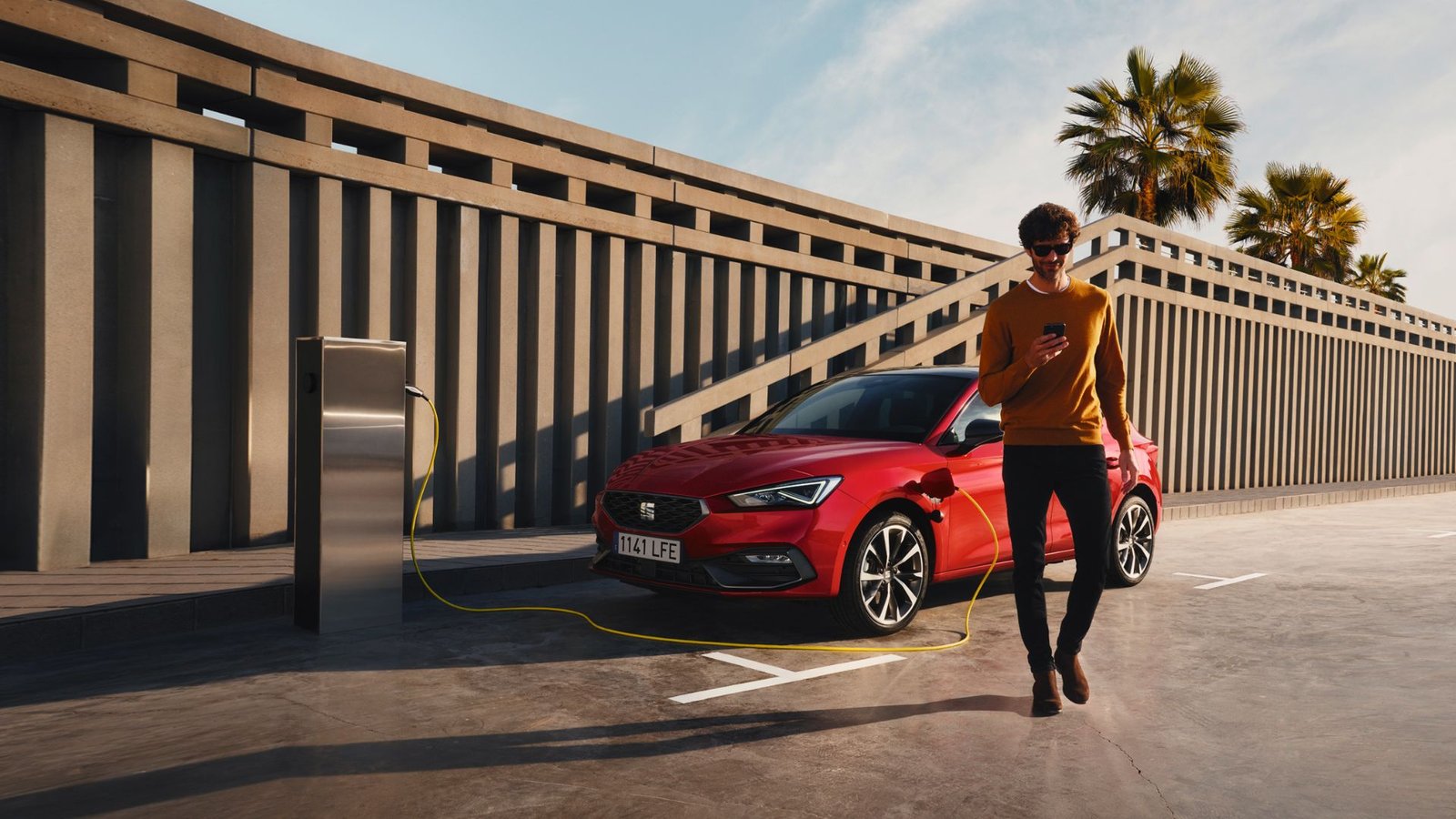
As electric vehicles (EVs) become more popular, the demand for efficient and accessible charging options is growing. But what are the latest trends in electric vehicle charging? This question is important for understanding how the future of EV charging is shaping up. In this blog post, we’ll explore key trends that are transforming the way we charge electric vehicles.

Trends in Electric Vehicle Charging

Faster Charging Technology

The Need for Speed

One of the most exciting trends in electric vehicle charging is the development of faster charging technology. As more people switch to EVs, the need for quick and convenient charging solutions has become more important. Traditional charging stations can take hours to fully charge a vehicle, but new advancements are reducing this time significantly.

Ultra-Fast Chargers

Ultra-fast chargers are one of the leading innovations in this area. These chargers can power up an electric vehicle in just a few minutes, making them much more practical for long trips or busy schedules. With the rise of ultra-fast charging stations, drivers can spend less time waiting and more time on the road.

How Fast Charging is Shaping the Market

As this technology continues to improve, we can expect to see even more ultra-fast charging stations being installed. This trend is crucial for making electric vehicles a viable option for more people, especially those who travel long distances regularly.


Wireless Charging for Electric Vehicles

The Convenience of Wireless Charging

Another exciting trend in electric vehicle charging is wireless charging. Just like wireless phone chargers, this technology allows EVs to be charged without plugging in. Instead, the vehicle is parked over a charging pad, and the battery begins to charge automatically.

How Wireless Charging Works

Wireless charging works through a process called inductive charging. A magnetic field transfers energy from the charging pad to the vehicle’s battery, eliminating the need for cables and connectors. This technology offers a hassle-free and more convenient way to charge electric vehicles.

The Future of Wireless Charging

Although still in the early stages of development, wireless charging is expected to become more widespread in the coming years. As more vehicles and charging stations are equipped with this technology, it could change the way we think about charging electric vehicles.


Expansion of Charging Networks

The Growing Demand for Charging Stations

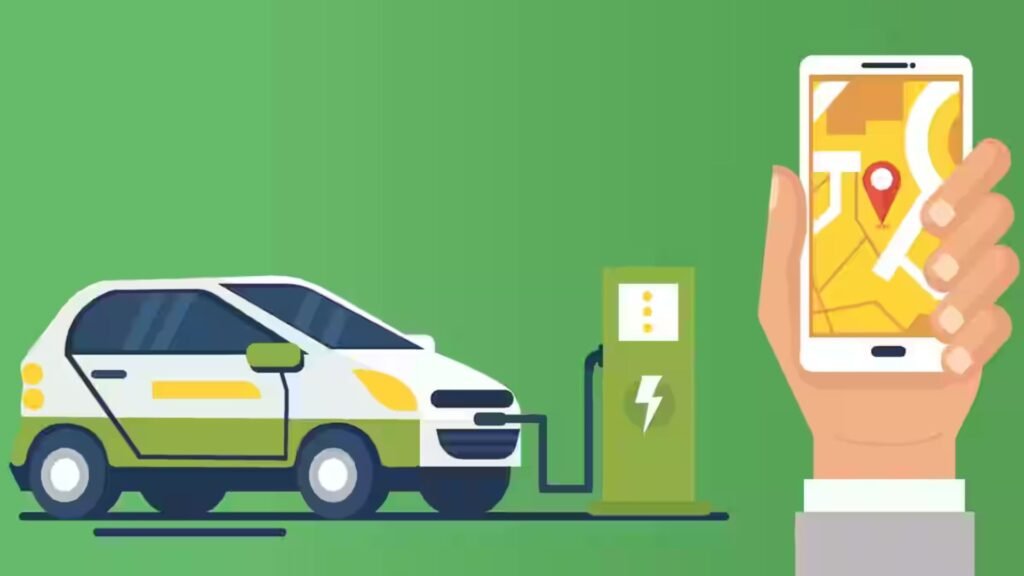
As the number of electric vehicles on the road increases, so does the demand for charging stations. One of the most significant trends in electric vehicle charging is the expansion of charging networks. More charging stations are being installed in public places, making it easier for drivers to charge their vehicles wherever they go.

Government and Private Sector Involvement

Both governments and private companies are playing a key role in expanding charging networks. Governments are investing in infrastructure projects to build more charging stations, especially in urban areas. Meanwhile, private companies are creating networks of charging stations that are accessible to the public.

How Expansion is Driving EV Adoption

This expansion is essential for encouraging more people to switch to electric vehicles. The more accessible charging stations are, the less “range anxiety” drivers will feel. This trend is likely to continue as electric vehicles become the standard mode of transportation.


Integration with Renewable Energy

Charging with Green Energy

Another important trend in electric vehicle charging is the integration with renewable energy sources. More charging stations are being powered by solar, wind, or other renewable energy, making the entire EV experience even more environmentally friendly.

The Benefits of Renewable-Powered Charging

Using renewable energy to charge electric vehicles reduces the carbon footprint of both the vehicle and the charging process. This aligns with the overall goal of reducing emissions and combating climate change. As a result, many new charging stations are being designed with renewable energy in mind.

The Future of Sustainable Charging

As the world continues to shift toward renewable energy, we can expect to see more charging stations powered by green energy. This trend not only benefits the environment but also supports the sustainability goals of governments and businesses alike.


Smart Charging and Grid Integration

What is Smart Charging?

Smart charging is another innovative trend in electric vehicle charging. It involves using technology to manage when and how vehicles are charged, often in response to the demands of the electrical grid. This helps balance the load on the grid and can reduce the cost of electricity for consumers.

The Role of Smart Grids

Smart grids play a crucial role in this process by communicating with charging stations and adjusting the power supply based on current demand. This ensures that the grid remains stable and that energy is used efficiently.

How Smart Charging Benefits Everyone

For EV owners, smart charging can mean lower energy bills and a more reliable charging experience. For utility companies, it means a more manageable grid. As more charging stations adopt smart technology, this trend is likely to grow, making electric vehicle charging more efficient and cost-effective.


Conclusion

The trends in electric vehicle charging are shaping the future of how we power our cars. From faster charging technology and wireless options to the expansion of charging networks and the integration with renewable energy, these developments are making EVs more convenient and accessible. As these trends continue to evolve, we can look forward to a future where electric vehicle charging is faster, smarter, and greener.