
AlternativeAutomobile29
Search for:
Using Mobile Apps to Control Your Car
Tips for Using Mobile Apps to Control Your Car

Using mobile apps to control your car is becoming increasingly popular as technology advances. These apps offer convenience and additional security, allowing you to perform various functions directly from your smartphone. From starting the engine remotely to checking tire pressure, these apps can enhance your driving experience. In this article, we’ll provide tips on how to make the most of mobile apps to control your car and what features to look for when choosing one.

Why Use Mobile Apps to Control Your Car?

Mobile apps designed to control your car offer a wide range of benefits. Firstly, they provide convenience. Imagine being able to start your car on a cold winter morning without leaving your house. You can also lock and unlock your doors from a distance, ensuring your car is secure even if you forget. Moreover, using mobile apps to control your car helps monitor the vehicle’s health. Apps can alert you to low tire pressure, maintenance needs, and battery life, helping you keep your car in good condition.

Setting Up Mobile Apps for Car Control

Setting up mobile apps to control your car is usually straightforward. First, you must download the app compatible with your car’s make and model. Once the app is installed, you will likely need to create an account and connect it to your vehicle. This often involves entering your car’s Vehicle Identification Number (VIN) or scanning a QR code provided by the manufacturer. After the setup, you can explore the various features available to control and monitor your car.

Remote Engine Start and Stop

One of the most popular features of using mobile apps to control your car is the ability to start and stop the engine remotely. This is especially useful during extreme weather conditions. For example, on hot summer days, you can start your car and turn on the air conditioning before entering. Similarly, during winter, you can warm up the engine and the interior, making your drive more comfortable. Just open the app, tap the start button, and your car will be ready to go when you are.

Lock and Unlock Doors from Anywhere

Another key feature of using mobile apps to control your car is the ability to lock and unlock doors remotely. If you accidentally leave your car unlocked, you can secure it with just a tap on your phone. Conversely, if you lock your keys inside, you can unlock the car using the app, avoiding a potential headache. This feature adds convenience and enhances the security of your vehicle.

Location Tracking and Navigation Assistance

Using apps to control your car also often includes location tracking features. These apps can help you find your car in a crowded parking lot by providing real-time location updates. Additionally, some apps offer navigation assistance, allowing you to send directions from your phone directly to your car’s GPS. This can save you time and ensure you’re always on the fastest route.

Monitoring Vehicle Health

Keeping track of your car’s health is another significant advantage of using apps to control your car. These apps can monitor critical components like engine oil levels, tire pressure, and battery health. By receiving alerts directly on your smartphone, you can address minor issues before they become major problems. This proactive approach to car maintenance can save you money and prevent unexpected breakdowns.

Security Alerts and Notifications

Using mobile apps to control your car also offers enhanced security features. Many apps provide real-time alerts if someone attempts to break into your car. These notifications can include the car’s location and images from any built-in cameras, allowing you to take immediate action. Some apps even allow you to remotely disable the engine, preventing thieves from driving away with your vehicle.

Customizing Your Car’s Settings

Mobile apps give you the flexibility to customize various settings in your car. You can adjust the climate control, seat positions, and even the stereo system to your liking before you get inside. Some apps allow you to set preferences for different drivers, ensuring everyone in the family can enjoy their personalized driving experience.

Hands-Free Capabilities and Voice Commands

Safety is a top priority when using mobile apps to control your car. Many apps support hands-free capabilities and voice commands, allowing you to perform tasks without taking your eyes off the road. You can use voice commands to lock the doors, check the car’s status, or even start the engine, making your driving experience safer and more convenient.

Choosing the Right App for Your Needs

Not all mobile apps for controlling cars are the same. When choosing an app, consider your needs and the features that are most important to you. Look for user reviews and ratings to gauge the app’s reliability and ease of use. Additionally, ensure the app is compatible with your vehicle’s make and model to avoid compatibility issues.

Conclusion

Using mobile apps to control your car offers numerous benefits, from convenience and security to better vehicle maintenance. By understanding the different features available and choosing the right app, you can enhance your driving experience and keep your car in top condition. As technology continues to advance, these apps will likely become even more integrated into our daily lives, making car ownership easier and more enjoyable.

Best Hybrid Sports Cars to Consider

In recent years, the automotive world has seen a shift toward sustainability and eco-friendliness without compromising performance. Enter hybrid sports cars. These vehicles blend the power and excitement of traditional sports cars with the efficiency and lower emissions of electric motors. If you’re looking for the best hybrid sports cars that offer both thrills and a greener footprint, you’re in the right place. In this article, we will explore some top models that combine speed, style, and sustainability.

Why Choose a Hybrid Sports Car?

Hybrid sports cars are not just about being environmentally conscious; they offer a unique driving experience. By combining a traditional internal combustion engine with an electric motor, these cars provide instant torque, impressive acceleration, and better fuel efficiency. This means you get the adrenaline-pumping performance of a sports car while enjoying the benefits of reduced fuel consumption and fewer emissions. Moreover, hybrid technology often brings advanced features and cutting-edge design, making these cars a smart choice for enthusiasts looking for the best hybrid sports cars.

Top Hybrid Sports Cars to Consider

Let’s dive into some of the best hybrid sports cars on the market today. These models are perfect for those who crave performance but don’t want to compromise on sustainability.

1. Porsche Panamera 4 E-Hybrid

The Porsche Panamera 4 E-Hybrid is a perfect example of how hybrid technology can enhance a sports car’s performance. This luxury sedan combines a 2.9-liter twin-turbo V6 engine with an electric motor to deliver a combined output of 457 horsepower. With a top speed of 174 mph and a 0-60 time of just 4.2 seconds, the Panamera 4 E-Hybrid offers exhilarating performance. At the same time, it provides an all-electric range of up to 14 miles, making it practical for short commutes or city driving. For those looking for the best hybrid sports cars that deliver both power and prestige, the Panamera 4 E-Hybrid is a top contender.

2. BMW i8

The BMW i8 is not just one of the best hybrid sports cars; it’s also one of the most innovative. With its futuristic design, lightweight construction, and advanced hybrid powertrain, the i8 stands out on the road. The combination of a 1.5-liter turbocharged three-cylinder engine and an electric motor produces a total of 369 horsepower. The i8 can accelerate from 0 to 60 mph in just 4.2 seconds while offering an all-electric range of up to 18 miles. Its low center of gravity and balanced weight distribution provide exceptional handling, making the BMW i8 a thrilling and eco-friendly option for sports car enthusiasts.

3. Acura NSX

The Acura NSX is a hybrid supercar that showcases how hybrid technology can enhance performance without sacrificing the thrill of driving. This sports car features a twin-turbocharged V6 engine paired with three electric motors, delivering a combined 573 horsepower. The NSX can sprint from 0 to 60 mph in a blistering 2.9 seconds. Its sophisticated all-wheel-drive system and agile handling make it a joy to drive on both the track and the road. For those seeking the best hybrid sports cars that offer top-tier performance, the Acura NSX is a standout choice.

4. Lexus LC 500h

The Lexus LC 500h is a luxurious hybrid sports car that combines elegance with cutting-edge technology. Powered by a 3.5-liter V6 engine and an electric motor, the LC 500h generates a total of 354 horsepower. While it may not have the same raw power as some other hybrid sports cars, it offers a smooth and refined driving experience. The LC 500h’s interior is crafted with high-quality materials, and its advanced infotainment system provides a comfortable and connected driving experience. This car is perfect for those who prioritize comfort and style while still enjoying the benefits of hybrid technology.

5. Ferrari SF90 Stradale

The Ferrari SF90 Stradale is one of the best hybrid sports cars for those who want supercar performance with a nod to sustainability. This plug-in hybrid combines a 4.0-liter twin-turbo V8 engine with three electric motors, producing a staggering 986 horsepower. The SF90 Stradale can go from 0 to 60 mph in just 2.5 seconds, making it one of the fastest hybrid sports cars available. Additionally, it offers an all-electric driving mode for shorter trips, showcasing Ferrari’s commitment to innovation and performance.

Conclusion: Hybrid Sports Cars Are the Future

The best hybrid sports cars provide a perfect blend of power, performance, and efficiency. Models like the Porsche Panamera 4 E-Hybrid, BMW i8, Acura NSX, Lexus LC 500h, and Ferrari SF90 Stradale demonstrate that you don’t have to compromise on excitement to be environmentally friendly. As technology continues to advance, we can expect to see even more impressive hybrid sports cars on the market. So, if you’re looking for a car that offers speed, style, and sustainability, consider one of these outstanding hybrid options.


How to Insure a Hybrid Vehicle

Insuring a hybrid vehicle is a bit different from insuring a traditional car due to its unique technology and components. Hybrid vehicles offer better fuel efficiency and reduced emissions, but they also come with specialized parts and systems that might impact your insurance needs. This guide will walk you through the steps to ensure you get the best coverage for your hybrid vehicle, while addressing specific aspects that affect insurance policies.

Understanding Hybrid Vehicles and Insurance Needs

Hybrid vehicles combine a conventional internal combustion engine with an electric motor. This unique setup not only makes them more fuel-efficient but also involves different components that can affect insurance costs. Insuring a hybrid vehicle requires understanding these factors and choosing the right policy to protect your investment.

Research Insurance Options

1. Compare Insurance Quotes

The first step to insuring a hybrid vehicle is to compare quotes from different insurance providers. Not all insurers have the same rates or coverage options for hybrids. Start by gathering quotes from multiple companies to ensure you’re getting the best deal. Many insurance companies now offer specialized policies for hybrid vehicles that can provide tailored coverage and potentially lower premiums.

2. Check for Hybrid-Specific Discounts

Some insurance companies offer discounts specifically for hybrid vehicles. These discounts can be based on the car’s fuel efficiency, lower emissions, or its safety features. Ask your insurer about any available hybrid-specific discounts that might apply to your vehicle. Taking advantage of these discounts can help lower your overall insurance costs.

Evaluate Coverage Options

1. Choose Comprehensive Coverage

Given the advanced technology and specialized components of hybrid vehicles, comprehensive coverage is a smart choice. Comprehensive insurance covers damage from incidents other than collisions, such as theft, vandalism, or natural disasters. This type of coverage ensures that you’re protected against a wide range of potential issues that could impact your hybrid vehicle.

2. Consider Enhanced Liability Coverage

Hybrid vehicles often come with advanced safety features, but accidents can still happen. To ensure you’re fully covered, consider enhancing your liability coverage. This will provide additional protection in case you are found liable for damages or injuries in an accident. Higher liability limits can offer peace of mind and protect you financially in case of serious incidents.

Understand the Costs

1. Evaluate Repair and Replacement Costs

One of the main factors affecting insurance rates for hybrid vehicles is the cost of repairs and replacements. Hybrid cars often have more expensive parts and require specialized repair services. Insurance companies consider these factors when calculating premiums. Be aware of potential repair and replacement costs for your hybrid vehicle and factor these into your insurance decisions.

2. Factor in Battery Replacement

Hybrid vehicles use high-voltage batteries that can be costly to replace. While most hybrid batteries have a long lifespan, they do eventually need replacement. Ensure your insurance policy covers battery replacement or provides adequate coverage for these high-cost components. Check the details of your policy to confirm that battery replacement is included.

Choose the Right Insurer

1. Look for Insurers with Hybrid Experience

Not all insurance providers have the same level of experience with hybrid vehicles. Choose an insurer with a good track record in handling hybrid car claims and understanding hybrid-specific issues. Research customer reviews and ratings to ensure you select a reputable company that offers reliable coverage for your hybrid vehicle.

2. Review Policy Terms Carefully

Before finalizing your insurance policy, review the terms and conditions carefully. Pay attention to coverage limits, exclusions, and any additional fees. Make sure the policy meets your needs and provides adequate protection for your hybrid vehicle. If you have any questions or concerns, don’t hesitate to ask your insurance agent for clarification.

Conclusion

Insuring a hybrid vehicle involves understanding the unique aspects of these cars and choosing the right coverage to protect your investment. By comparing quotes, checking for hybrid-specific discounts, and evaluating coverage options, you can find the best insurance policy for your needs. Be sure to consider repair and replacement costs, as well as the insurer’s experience with hybrids. With the right insurance, you can enjoy the benefits of driving a hybrid vehicle while having peace of mind knowing that you’re fully protected.

Using Biometric Authentication in Cars

As technology advances, using biometric authentication in cars is becoming more common. Biometric systems in vehicles enhance security and convenience by allowing drivers to unlock and start their cars using fingerprints, facial recognition, or even voice commands. In this article, we’ll discuss how biometric authentication works in cars, the benefits it offers, and what to consider when integrating these systems into your vehicle. Let’s get into why biometric technology is becoming a game-changer in the automotive industry.

What Is Biometric Authentication in Cars?

Biometric authentication is a method of identifying a person based on their unique biological traits. In the context of cars, this could mean using fingerprint scanners, facial recognition cameras, or voice recognition systems. When using biometric authentication in cars, drivers can gain access without needing a physical key or a password. This technology reads the driver’s unique physical characteristics, verifies their identity, and then allows the vehicle to be started or unlocked.

Using Biometric Authentication in Cars

How Does Biometric Authentication Work in Vehicles?

Biometric systems in cars typically use sensors to capture a person’s unique features. For example, a fingerprint scanner installed in the car’s dashboard or door handle reads the fingerprint and matches it with a pre-stored digital template. Similarly, a camera inside the car can use facial recognition to confirm the identity of the driver. If the system recognizes the biometric data, it allows access to the vehicle. Using biometric authentication in cars ensures that only authorized individuals can start and drive the car, providing an extra layer of security.

Benefits of Using Biometric Authentication in Cars

There are several benefits to using biometric authentication in cars. Firstly, it enhances security by making it difficult for unauthorized individuals to access the vehicle. Unlike traditional keys or passwords, biometric traits are unique to each individual and cannot be easily replicated or stolen. Secondly, it offers convenience. Drivers no longer need to fumble for keys or remember complex passwords. They can quickly unlock and start their car with a simple touch or glance. This feature is particularly useful in situations where drivers have their hands full or need to access the vehicle quickly.

Types of Biometric Systems Used in Cars

Different types of biometric systems can be integrated into vehicles. Here are some common examples:

Fingerprint Recognition

Fingerprint scanners are one of the most popular methods of using biometric authentication in cars. They are often installed on door handles or the car’s start button. Fingerprint recognition is fast, accurate, and secure, making it a preferred choice for many car manufacturers.

Facial Recognition

Facial recognition uses cameras to scan the driver’s face and verify their identity. This technology is highly secure because it can detect and recognize multiple facial features. It is also convenient since it allows hands-free access to the car.

Voice Recognition

Voice recognition systems use microphones to identify a driver’s unique voice patterns. This type of biometric authentication is ideal for hands-free car access and can also be used to control various car functions, such as navigation and climate control.

Considerations When Using Biometric Authentication in Cars

While using biometric authentication in cars offers numerous advantages, there are some factors to consider. For instance, privacy concerns may arise since biometric data is sensitive. It is crucial to ensure that this data is securely stored and protected against hacking. Additionally, biometric systems must be reliable and accurate to avoid false positives or negatives. Regular maintenance and software updates can help keep the biometric systems in optimal condition.

Privacy and Security Concerns

When using authentication in cars, it is essential to address privacy and security concerns. Biometric data is highly sensitive, and if not properly protected, it can be vulnerable to hacking and identity theft. Car manufacturers need to implement strong encryption methods to protect biometric data. Additionally, users should be informed about how their data is collected, stored, and used, ensuring transparency and trust.

The Future of Biometric Authentication in Cars

The future of using biometric authentication in cars looks promising. As technology advances, we can expect even more innovative uses for biometrics in vehicles. For example, future cars may use a combination of biometric methods to provide multi-layered security. Moreover, biometric authentication may expand to include functions like personalizing the driving experience based on the driver’s preferences, such as adjusting seat positions or climate controls automatically.

Conclusion

In conclusion, using biometric authentication in cars is a powerful way to enhance vehicle security and convenience. By integrating systems like fingerprint, facial, and voice recognition, car manufacturers provide drivers with a more secure and user-friendly experience. While there are considerations around privacy and security, advancements in technology will continue to improve the safety and functionality of biometric systems. As these technologies become more widely adopted, they will undoubtedly play a significant role in the future of automotive security.

Best Manual Cars of 2024

Manual transmissions offer a driving experience that many enthusiasts still cherish. For 2024, several models stand out for their engaging driving dynamics and performance. This guide will highlight the best manual cars of 2024, showcasing their unique features and why they are worth considering.

Why Manual Transmissions Are Still Popular

Before diving into the best manual cars of 2024, it’s essential to understand why manual transmissions remain popular. Manual cars provide drivers with a more connected and engaging driving experience. They offer precise control over gear selection and can enhance driving pleasure, particularly on twisty roads or racetracks. Many driving enthusiasts believe that a manual transmission brings out the best in a car’s performance.

Top Manual Cars of 2024

1. Ford Mustang GT

The Ford Mustang GT continues to be a favorite among driving purists. For 2024, it remains one of the best manual cars on the market. Equipped with a powerful 5.0-liter V8 engine, the Mustang GT delivers exhilarating acceleration and a throaty exhaust note. The six-speed manual transmission allows drivers to fully engage with the car’s performance, making it a standout choice for enthusiasts.

2. Mazda MX-5 Miata

The Mazda MX-5 Miata is renowned for its nimble handling and driving enjoyment. The 2024 model continues this tradition with its lightweight chassis and precise manual gearbox. Powered by a responsive 2.0-liter four-cylinder engine, the MX-5 Miata offers a pure, unfiltered driving experience. Its compact size and low center of gravity make it exceptionally fun to drive on winding roads.

3. Honda Civic Type R

The 2024 Honda Civic Type R is a performance hatchback that combines practicality with driving thrills. The manual transmission, paired with a turbocharged 2.0-liter four-cylinder engine, provides quick shifts and a dynamic driving experience. The Civic Type R is known for its sharp handling and engaging driving characteristics, making it one of the best manual cars of the year.

4. Subaru BRZ

The Subaru BRZ, along with its Toyota GR86 twin, is another excellent choice for fans of manual transmissions. The 2024 BRZ features a 2.4-liter four-cylinder engine that delivers a perfect balance of power and agility. Its six-speed manual transmission enhances the driving experience, allowing for precise gear changes and a more engaging connection to the road.

5. Porsche 911 Carrera

For those seeking a high-performance luxury sports car, the 2024 Porsche 911 Carrera offers an exceptional manual driving experience. The 911 Carrera’s seven-speed manual transmission complements its turbocharged six-cylinder engine, delivering a blend of speed and driving pleasure. The 911’s precision engineering and refined interior make it a top choice for enthusiasts who appreciate the art of driving.

Key Features to Look For

When choosing the best manual cars, consider several factors that contribute to an enjoyable driving experience:

1. Transmission Quality

The quality of the manual transmission can significantly impact your driving experience. Look for cars with well-engineered gearboxes that offer smooth shifting and precise engagement.

2. Engine Performance

A powerful and responsive engine enhances the overall driving dynamics of a manual car. Ensure the vehicle has enough power to complement the manual transmission, providing a thrilling driving experience.

3. Handling and Suspension

Great manual cars typically have well-tuned suspensions and handling characteristics. A car with precise steering and a well-balanced chassis will make your driving experience more enjoyable.

4. Driver Engagement

The essence of a manual transmission lies in driver engagement. Choose a car that offers a connected driving experience, with a manual gearbox that feels engaging and responsive.

Finding Fun and Excitement During Your Free Time

When you’re not busy exploring new automotive innovations, finding ways to unwind is essential. A great option for relaxation and excitement is online gaming. For example, you can try your luck and skill with blackjack online real money, a game that combines strategy and the thrill of chance. It’s a fun and accessible way to enjoy your downtime while engaging your mind with a bit of friendly competition.

Conclusion

The best manual cars of 2024 offer a range of options for enthusiasts seeking a more interactive driving experience. Whether you’re drawn to the raw power of the Ford Mustang GT, the agility of the Mazda MX-5 Miata, or the precision of the Porsche 911 Carrera, there’s a manual car to match your preferences. By considering factors like transmission quality, engine performance, and handling, you can find a vehicle that delivers the driving thrills you crave. Enjoy the pleasure of driving a manual transmission and experience the joy of being fully connected to your car.


How to Drive a Manual Transmission

Driving a manual transmission can be an exhilarating experience, giving you greater control over your vehicle and a deeper connection to the driving process. However, learning to drive a manual transmission can be intimidating if you have never done it before. With a bit of practice and patience, anyone can master the art of driving a manual transmission. This guide will walk you through the basics of driving a manual transmission, helping you understand each step in the process.

Understanding the Basics of a Manual Transmission

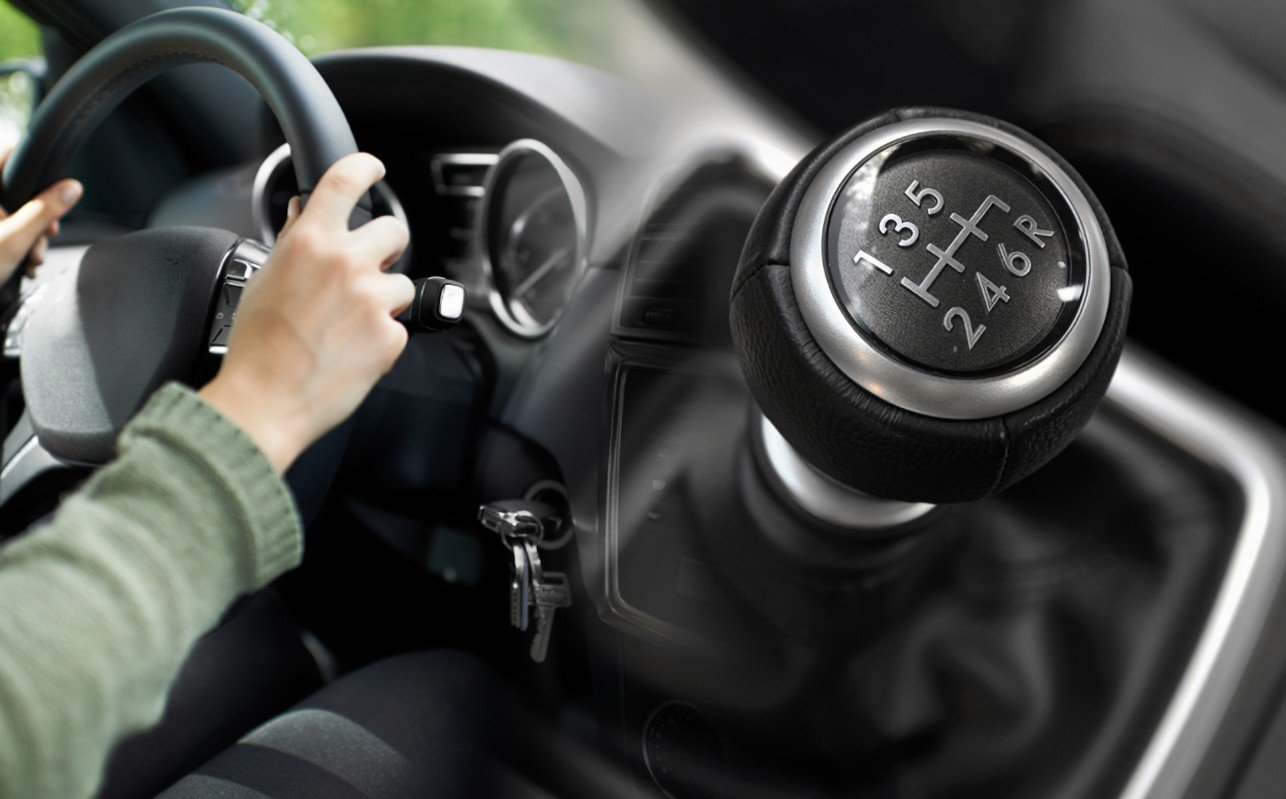
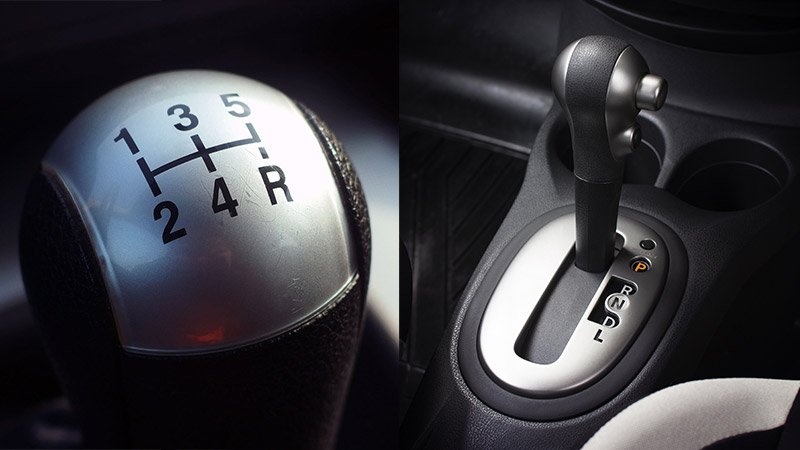
Before you get started, it’s essential to understand the basics of a manual transmission. Unlike an automatic, a manual transmission requires the driver to manually change gears using a clutch pedal and a gear stick. The clutch pedal, located to the left of the brake pedal, must be pressed down to disengage the engine from the wheels, allowing you to change gears.

To drive a manual transmission smoothly, you need to learn how to coordinate the clutch pedal and gear stick with the accelerator and brake pedals. This coordination is the key to mastering a manual transmission and will help you become a more skilled and confident driver.

Getting Started: The Clutch and Gear Shifter

To begin driving a manual transmission, start by familiarizing yourself with the clutch and gear shifter. With the car turned off, practice pressing the clutch pedal all the way down with your left foot. Then, use your right hand to move the gear shifter through the different gears, noticing how it feels to move into each position.

Starting the Car and Engaging First Gear

Now that you have a feel for the clutch and gear shifter, it’s time to start the car. To start a manual transmission, press the clutch pedal all the way down and turn the ignition key. Once the engine is running, keep the clutch pedal pressed and move the gear shifter into first gear, which is usually located at the top left of the gear pattern.

With the car in first gear, slowly lift your foot off the clutch pedal while simultaneously pressing down on the accelerator with your right foot. This is known as “finding the bite point,” where the clutch begins to engage, and the car starts to move. As you practice, try to make this movement smooth and gradual to avoid stalling the engine.

Shifting Gears

Once you are moving forward in first gear, it’s time to learn how to shift gears in a manual transmission. As you gain speed, you will need to shift to higher gears to maintain a smooth and efficient drive. To shift gears, press the clutch pedal down fully, move the gear shifter to the next gear, and then slowly release the clutch pedal while pressing the accelerator.

For example, when shifting from first to second gear, press the clutch pedal down, move the gear shifter to the second gear position, and then slowly release the clutch while accelerating. Repeat this process as you move up through the gears, and remember to always press the clutch pedal down fully before changing gears.

Downshifting and Stopping

In addition to shifting up through the gears, you also need to know how to downshift and stop when driving a manual transmission. Downshifting involves shifting to a lower gear when slowing down or coming to a stop. To downshift, press the clutch pedal down, move the gear shifter to a lower gear, and slowly release the clutch while pressing the brake pedal to slow down.

When coming to a complete stop, press the clutch pedal down fully and move the gear shifter to neutral. Keep the clutch pedal pressed until you are ready to move again, and remember to start in first gear when pulling away from a stop.

Practice Makes Perfect

Driving a manual transmission takes practice, so don’t be discouraged if you stall the engine or make mistakes at first. Find a quiet, open area where you can practice starting, stopping, and shifting gears without the pressure of traffic. As you become more comfortable, you can gradually move to more challenging driving environments.

Tips for Smoother Driving

To drive a manual transmission smoothly, remember to be gentle with the clutch and accelerator pedals. Sudden movements can cause the car to jerk or stall, so focus on making smooth, gradual transitions. Also, try to anticipate your gear changes by looking ahead and planning for any stops or slowdowns.

Knowing When to Shift

One of the most important aspects of driving a manual transmission is knowing when to shift gears. Most cars have a tachometer that shows engine RPM (revolutions per minute), which can help you determine the best time to shift. Generally, you should shift up when the RPM reaches around 2,500 to 3,000, but this can vary depending on your vehicle and driving conditions.

Conclusion

Learning to drive a manual transmission can be a rewarding experience that gives you greater control and a deeper understanding of your vehicle. By practicing the steps outlined in this guide, you can master the basics of driving a manual transmission and enjoy the freedom of driving a stick shift. Remember to stay patient, practice regularly, and always drive safely.

Automotive Technologies for Winter Driving
Best Automotive Technologies for Winter Driving

Winter driving poses unique challenges, from icy roads to reduced visibility. To tackle these challenges effectively, it’s essential to leverage the latest automotive technologies for winter driving. In this article, we’ll explore some of the best technologies designed to enhance safety and performance during the winter months. By understanding these technologies, you can make your winter driving experience safer and more enjoyable.

Understanding Automotive Technologies for Winter Driving

When it comes to automotive technologies for winter driving, knowing what’s available can help you choose the right features for your vehicle. These technologies range from advanced traction control systems to innovative heating solutions. They are designed to improve your car’s handling, visibility, and comfort in winter conditions.

Automotive Technologies for Winter Driving

All-Wheel Drive (AWD) and Four-Wheel Drive (4WD)

One of the most important automotive technologies for winter driving is All-Wheel Drive (AWD) or Four-Wheel Drive (4WD). Both systems enhance traction by distributing power to all four wheels, which helps prevent skidding on icy or snowy roads. While AWD is typically automatic and engages when needed, 4WD usually requires manual activation and is often used for off-road conditions. Depending on your driving needs, choosing a vehicle with AWD or 4WD can significantly improve your winter driving experience.

Anti-Lock Braking System (ABS)

The Anti-Lock Braking System (ABS) is another crucial technology for winter driving. ABS prevents the wheels from locking up during hard braking, which helps maintain steering control and stability. This is especially useful on slippery surfaces where traditional braking can lead to skidding. By incorporating ABS, automotive technologies for winter driving ensure that you can stop more safely and efficiently, even on icy roads.

Electronic Stability Control (ESC)

Electronic Stability Control (ESC) is a technology designed to help drivers maintain control of their vehicles during extreme steering maneuvers. Choosing the right automotive technologies for winter driving means including ESC, which detects and reduces skidding by automatically applying brakes to individual wheels. This helps prevent the vehicle from sliding or spinning out of control. Hence, making it a valuable tool for winter driving conditions.

Traction Control System (TCS)

Traction Control System (TCS) is designed to prevent wheel spin during acceleration on slippery surfaces. By automatically adjusting engine power and braking force, TCS helps maintain traction and stability. For winter driving, automotive technologies for winter driving like TCS are essential, as they provide additional support when accelerating on snow or ice.

Winter Tires

Winter tires are a must-have for optimal winter driving. Investing in high-quality winter tires is one of the best ways to enhance your vehicle’s performance and safety during the colder months. Automotive technologies for driving include the use of winter tires to ensure that your car handles winter conditions effectively.

Heated Seats and Steering Wheels

Comfort is also an important aspect of winter driving. Technologies like heated seats and steering wheels make driving in cold weather more pleasant. These features help keep you warm and can reduce the discomfort of driving in freezing temperatures. Choosing the right automotive technologies for driving often includes considering these comfort features, which enhance the overall driving experience.

Rear Defroster and Heated Side Mirrors

Visibility is crucial during winter driving, and technologies like rear defrosters and heated side mirrors play a significant role. Rear defrosters help clear fog and frost from the rear windshield, while heated side mirrors prevent ice and snow buildup. By ensuring that these features are part of your vehicle’s automotive technologies for driving, you can maintain better visibility and drive more safely.

Adaptive Headlights

Adaptive headlights are another advanced technology that improves winter driving safety. These headlights adjust their angle based on the vehicle’s speed and steering, providing better illumination around curves and in low-light conditions. Automotive technologies for driving like adaptive headlights enhance visibility and help you navigate through snowy or dark environments more effectively.

Blind Spot Monitoring and Rearview Cameras

Blind spot monitoring and rearview cameras add an extra layer of safety by helping you see areas around your vehicle that are difficult to view. These technologies are especially useful in winter conditions when snow or ice can obstruct your view. By integrating these features into your vehicle’s automotive technologies for winter driving, you can reduce the risk of accidents and improve overall driving safety.

Conclusion

From AWD and ABS to heated seats and adaptive headlights, these technologies play a crucial role in ensuring a safer and more comfortable driving experience. By understanding and utilizing these features, you can navigate winter roads with confidence and ease. Investing in the right automotive technologies for winter driving will help you stay secure and enjoy your time on the road, no matter how harsh the weather conditions may be.

Best Sports Cars with Manual Transmissions

For car enthusiasts, nothing compares to the thrill of shifting gears in a high-performance sports car. While automatic transmissions have become more common, sports cars with manual transmissions offer a unique driving experience that many still crave. These cars provide a direct connection between the driver and the machine, making each journey a memorable one. If you’re looking for the best sports cars with manual transmissions, you’re in the right place. In this article, we’ll explore some of the top models that keep the manual transmission alive.

Why Choose Sports Cars with Manual Transmissions?

Manual transmissions give drivers more control over the vehicle, allowing them to manage the car’s power output more precisely. This direct interaction makes driving a more engaging and rewarding experience. Moreover, sports cars with manual transmissions often come with a lighter weight, enhancing their performance and handling. The sense of nostalgia and tradition also appeals to many, as manual transmissions remind us of the pure driving experience that sports cars were originally designed for.

Top Sports Cars with Manual Transmissions

Let’s dive into some of the best sports cars with manual transmissions that you can find on the market today. These cars offer a perfect blend of performance, style, and the engaging drive that only a manual gearbox can provide.

1. Mazda MX-5 Miata

The Mazda MX-5 Miata is an icon among sports cars with manual transmissions. This lightweight roadster has long been celebrated for its nimble handling and responsive steering. The Miata’s six-speed manual transmission is smooth and precise, making it a joy to shift through the gears. Its 2.0-liter engine provides just enough power to make every drive exhilarating, yet it’s still fuel-efficient and practical for everyday use. The open-top design only adds to the thrill, making it perfect for those who love the feeling of the wind in their hair.

2. Ford Mustang GT

The Ford Mustang GT is a classic American muscle car that stays true to its roots with a manual transmission option. Equipped with a powerful 5.0-liter V8 engine, the Mustang GT delivers impressive acceleration and a roar that is music to a car enthusiast’s ears. The six-speed manual transmission provides a visceral connection to the car, allowing drivers to truly feel the power of the engine. With its aggressive styling and iconic design, the Mustang GT remains a top choice for those seeking sports cars with manual transmissions.

3. Subaru WRX

For those who prefer a bit of practicality with their performance, the Subaru WRX is a fantastic option. This compact sports sedan comes with a six-speed manual transmission that perfectly complements its turbocharged engine. The WRX’s all-wheel-drive system ensures excellent grip and handling, making it a great choice for spirited driving in all weather conditions. Its spacious interior and four-door design also make it suitable for everyday use, without compromising on the fun-to-drive factor.

4. Porsche 911 Carrera

The Porsche 911 Carrera is synonymous with luxury and high performance, and it’s one of the few high-end sports cars that still offer a manual transmission. The seven-speed manual gearbox in the 911 Carrera is a masterpiece of engineering, providing precise and smooth shifts. Coupled with the car’s rear-engine layout and exceptional handling dynamics, driving a 911 with a manual transmission is an experience like no other. The blend of luxury, performance, and driver engagement makes the Porsche 911 Carrera a top contender among sports cars with manual transmissions.

5. Chevrolet Camaro SS

Another American classic, the Chevrolet Camaro SS, keeps the manual transmission tradition alive. The Camaro SS features a robust 6.2-liter V8 engine, delivering thrilling performance and an unmistakable exhaust note. The six-speed manual transmission provides a satisfying and direct feel, making each gear shift a delight. Its sharp styling and aggressive stance turn heads wherever it goes, while its comfortable interior ensures that it’s just as enjoyable on long drives as it is on the racetrack.

Conclusion: Embrace the Thrill of Manual Transmissions

Sports cars with manual transmissions offer a driving experience that is hard to match. From the precise control they offer to the sheer enjoyment of shifting gears, these cars provide a connection between driver and machine that automatic transmissions simply can’t replicate. Whether you’re a fan of the lightweight Mazda MX-5 Miata, the powerful Ford Mustang GT, or the luxurious Porsche 911 Carrera, there’s a sports car with a manual transmission to suit your taste. Embrace the thrill, and enjoy the ride that only a manual transmission can offer.


How to Maintain a Manual Car

Manual cars, while becoming less common, are still favored by many drivers for their engaging driving experience and greater control over the vehicle. To keep your manual car running smoothly, regular maintenance is key. By taking the right steps to maintain a manual car, you can extend its lifespan and ensure it performs at its best. In this guide, we’ll explore how to properly care for your manual car, covering everything from clutch maintenance to gear shifts.

Regularly Check and Change the Transmission Fluid

One of the most important steps in maintaining a manual car is to regularly check and change the transmission fluid. Unlike automatic cars, manual transmissions rely on gear oil to keep the gears lubricated and operating smoothly. Over time, this fluid can break down or become contaminated, which can lead to gear wear or even failure.

To maintain a manual car, check the transmission fluid level and quality every 30,000 to 60,000 miles, depending on your driving habits and the manufacturer’s recommendations. If you notice the fluid is dark or has a burnt smell, it’s time for a change. Regularly changing the transmission fluid can prevent costly repairs and keep your car running smoothly.

Pay Attention to the Clutch

The clutch is one of the most critical components of a manual car. It’s responsible for engaging and disengaging the engine from the transmission, allowing you to change gears. To maintain a manual car, it’s essential to pay close attention to the clutch and ensure it’s functioning properly.

Avoid riding the clutch, which means keeping your foot on the pedal when not changing gears, as this can lead to premature wear. Additionally, don’t “dump” the clutch, which is releasing it too quickly, as this can cause unnecessary strain on the transmission. Instead, practice smooth and deliberate clutch movements to prolong its lifespan.

If you notice any signs of clutch wear, such as a slipping sensation, a burning smell, or difficulty shifting gears, it’s time to have your clutch inspected by a professional. Replacing a worn-out clutch promptly can prevent further damage to the transmission.

Ensure Proper Gear Shifts

Another crucial aspect of maintaining a manual car is ensuring proper gear shifts. Shifting gears smoothly and at the right RPM (revolutions per minute) can help reduce wear on the transmission and clutch. To maintain a manual car, avoid shifting at very low or high RPMs, as this can put undue stress on the engine and transmission.

Always use the clutch when shifting gears, and make sure the gear lever is fully engaged in the desired gear before releasing the clutch. If you notice grinding noises while shifting, it could indicate that the synchros in the transmission are worn, or you are not engaging the clutch properly. In such cases, it’s best to have your car checked by a mechanic.

Keep an Eye on the Brakes

Manual cars often rely more on engine braking than automatic cars, which can reduce wear on the brake pads. However, it’s still important to regularly check the brakes to maintain a manual car. Inspect the brake pads, rotors, and fluid levels, and replace them if necessary.

Using engine braking properly can extend the life of your brake pads and rotors. To use engine braking, downshift to a lower gear while decelerating, allowing the engine to slow down the car without over-relying on the brakes. This technique not only helps maintain a manual car but also provides more control when driving downhill or in slippery conditions.

Check the Shifter Linkage

The shifter linkage connects the gear lever to the transmission and plays a crucial role in maintaining a manual car’s smooth operation. Over time, the linkage can become loose or worn, leading to difficulty shifting gears or a “sloppy” feel in the gear lever.

To maintain a manual car, periodically inspect the shifter linkage for any signs of wear or damage. If you notice any issues, have the linkage adjusted or replaced by a professional mechanic. A well-maintained shifter linkage ensures precise gear changes and a more enjoyable driving experience.

Perform Regular Maintenance Checks

Routine maintenance checks are vital to maintain a manual car and ensure its longevity. This includes regular oil changes, inspecting the air filter, checking the spark plugs, and monitoring the condition of the tires. Keeping up with these basic maintenance tasks can prevent minor issues from becoming major problems and help maintain the overall performance of your car.

Conclusion

Maintaining a manual car requires regular attention to detail and an understanding of how the transmission and clutch work together. By following these tips and performing routine checks, you can keep your manual car in top condition and enjoy a smoother, more reliable driving experience. Remember, to maintain a manual car, it’s important to stay proactive with maintenance and address any issues as soon as they arise.

Choosing the Right Car Alarm System

When it comes to choosing the right car alarm system, many drivers find themselves overwhelmed by the options available. In a world where vehicle theft is a real concern, investing in a reliable car alarm system is crucial for peace of mind and vehicle security. In this article, we’ll guide you through the important aspects of choosing the right car alarm system to ensure you make an informed decision.

Understanding Car Alarm Systems

Choosing the right car alarm system starts with understanding what’s available. Car alarm systems are designed to deter thieves by alerting you if someone tries to tamper with your vehicle. They come in various types, including basic alarms, advanced systems with remote start capabilities, and even those with smartphone integration. Knowing the differences will help you select the system that best meets your needs.

Choosing the Right Car Alarm System

Basic vs. Advanced Car Alarm Systems

When choosing the right car alarm system, consider whether you need a basic or advanced system. Basic systems typically include features like a siren and motion sensors. They are cost-effective and offer essential protection. Advanced systems, on the other hand, come with features such as remote start, GPS tracking, and smartphone alerts. Choosing the right car alarm system often depends on how much security you want and how much you’re willing to spend.

Features to Look For

One of the key steps in choosing the right car alarm system is to evaluate the features. Here are some important features to consider:

  1. Siren and Alarm Sound: The louder the siren, the more effective it is at deterring thieves. Make sure the alarm sound is loud enough to draw attention.
  2. Motion Sensors: These sensors detect any movement around the car and trigger the alarm. They are especially useful in detecting tampering attempts.
  3. Shock Sensors: These sensors detect vibrations or impacts on your car. They are useful for detecting break-ins or vandalism.
  4. Remote Control: Most modern car alarm systems come with a remote control for arming and disarming the alarm. Some advanced systems even offer keyless entry and remote start.
  5. GPS Tracking: For those who want an extra layer of security, GPS tracking allows you to locate your car if it’s stolen. This feature is particularly useful for tracking your vehicle in real time.
  6. Smartphone Integration: Some systems offer smartphone apps that allow you to control the alarm, receive alerts, and even track your vehicle from anywhere.

Installation Considerations

Choosing the right alarm system also involves considering installation. While some systems are DIY-friendly, others may require professional installation. Professional installation ensures that the system is correctly fitted and integrated with your vehicle’s electronics, which can enhance its effectiveness and reliability.

Compatibility with Your Vehicle

Ensure that the car alarm system you choose is compatible with your vehicle. Choosing the right car alarm system involves checking whether the system can be integrated with your car’s existing electronics and whether it supports any special features your vehicle might have.

Budget and Cost

Cost is an important factor when choosing the right car alarm system. Basic systems are more affordable, but they may lack advanced features. Advanced systems come with a higher price tag but offer more comprehensive security. Determine your budget and weigh it against the features you need to find the best value for your money.

Brand Reputation and Reviews

Researching brands and reading reviews can help you make an informed decision. Look for reputable brands known for their reliability and customer support. Choosing the right alarm system involves selecting a brand with positive feedback and proven performance in vehicle security.

User-Friendly Features

A good car alarm system should be user-friendly. Choosing the right alarm system means opting for one with a clear and straightforward interface. Features like easy-to-use remote controls and intuitive smartphone apps can make managing your car’s security much simpler.

Warranty and Support

Finally, consider the warranty and customer support offered by the manufacturer. A good warranty ensures that you are covered in case of any defects or issues with the system. Choosing the right alarm system involves selecting a product with reliable support and a comprehensive warranty.

Conclusion

In summary, choosing the right car alarm system requires careful consideration of several factors, including system type, features, installation, and compatibility. By understanding what you need and evaluating the options available, you can select a car alarm system that provides the security and peace of mind you deserve. Whether you opt for a basic alarm or an advanced system with smartphone integration, making an informed choice will ensure your vehicle is well protected against theft and vandalism.

Welcome to Your Ultimate Car Resource Hub

Cars are more than machines. They are essential tools, lifestyle choices, and in many cases, passionate hobbies. We are dedicated to helping you understand, maintain, and enjoy your car with confidence. Whether you're buying your first vehicle, looking for reliable maintenance tips, or staying updated on automotive trends, you’ll find it all right here.

This platform brings together expert-written guides, hands-on tips, and clear explanations to simplify everything about owning and driving a car. We are here to help you make smarter decisions and enjoy every mile.

What You’ll Find Here

When it comes to learning about cars, there are countless websites out there, but not all of them are created equal. We’re committed to providing clear, honest, and easy-to-understand automotive content that truly helps our readers. Here's why you can rely on us as your go-to car knowledge hub:

Car Reviews

We provide in-depth, unbiased car reviews that cover everything from affordable hatchbacks and family sedans to luxury SUVs and cutting-edge electric vehicles. Every review is written with everyday drivers in mind, offering insights that matter both on paper and on the road.

What we cover in our car reviews:

  • Performance and handling – How does it drive in real-world conditions? Is it fun, smooth, fast, or fuel-efficient?
  • Interior and tech features – What’s the comfort level like? How intuitive is the infotainment system?
  • Safety and crash test results – We break down official safety ratings and features like lane assist, blind spot monitoring, and crash prevention.
  • Price comparisons – Understand how each model stacks up against competitors in its class.
  • Pros and cons for every model – A balanced view of the highs and lows to help you decide what suits your needs.

Whether you're searching for a spacious family car or an exciting weekend ride, our reviews provide the full picture so you can make a smart choice.

Buying Guides

Buying a car—new or used—can be complicated. That’s why our expert-written buying guides are packed with step-by-step tips, comparisons, and insider knowledge to help you buy with confidence.

Topics you’ll find in our car buying guides:

  • Best cars by price range – From budget-friendly to high-end, we highlight great options at every level.
  • Top-rated cars for safety, fuel economy, or performance – Choose the right vehicle based on what matters most to you.
  • How to finance your vehicle – We explain loan types, interest rates, down payments, and monthly budgeting.
  • Understanding car warranties – Know what’s covered, what isn’t, and how warranties affect long-term costs.
  • Certified pre-owned vs. used – Learn the key differences and what to look for when shopping secondhand.

These guides are designed to take the guesswork out of car shopping so you can avoid common pitfalls, negotiate better deals, and drive away happy.

Alternative Automobile 29: Your Car Solution

Alternative Automobile 29 appears to be a car dealership located in Fouesnant, France. For those in New Zealand looking for online entertainment, you might want to explore kiwi casinos roulette for a variety of gaming experiences.

Maintenance & Repairs

You don’t have to be a mechanic to maintain your vehicle. Our maintenance and repair section is full of easy-to-follow guides and troubleshooting tips to help you extend your car’s lifespan and save on service costs.

Here’s what you’ll learn:

  • Routine maintenance checklists – Understand which car components to inspect regularly, whether monthly, with the changing seasons, or once a year to keep your vehicle running smoothly.
  • How to change oil, tires, air filters, and brake pads – Step-by-step tutorials with tool lists and safety tips.
  • Common warning lights and what they mean – Don’t panic—learn what those dashboard alerts are trying to tell you.
  • When to take your car to a mechanic – Understand which issues are DIY and which need professional help.
  • Seasonal car care – Tips on winterizing your vehicle, preparing for summer heat, and everything in between.

This section empowers you to maintain your car confidently, even if you’re new to car care.

Find the Best Payout Online Casino in the USA

Searching for top-tier payouts? Check out the best payout online casino in usa on Casinosophus. Explore platforms known for their exceptional rewards and seamless gaming experience.

Car News & Trends

The world of cars is evolving fast, from electric vehicles to autonomous driving technologies. Our news section brings you up-to-date, easy-to-understand automotive news that affects you as a driver, buyer, or enthusiast.

What we cover in this section:

  • New model releases and concept cars – Get first looks at the latest innovations hitting the market.
  • EV updates and green technology – Learn about the shift toward electric vehicles and cleaner driving solutions.
  • Industry news from automakers – Stay informed about recalls, policy changes, and major business updates.
  • Auto show coverage and sneak peeks – See highlights from global car shows and discover what’s coming next.

Whether you’re a gearhead or just curious, this section helps you stay informed and make future-proof decisions.

Driving Tips & Road Safety

Driving skill goes beyond simply handling the steering wheel. Our driving tips and safety advice are designed to help you build smarter driving habits, lower costs, and stay safer on the road.

This section includes:

  • Safe driving techniques – Master skills like smooth braking, blind spot awareness, and lane changes.
  • Tips for new drivers – From passing your driving test to handling your first solo road trip, we’ve got you covered.
  • Defensive driving techniques – Discover how to recognize potential hazards early and respond effectively to keep yourself and others safe.
  • Driving in bad weather – Get strategies for handling snow, rain, fog, and icy roads with confidence.
  • Reducing fuel consumption – Discover driving habits and car settings that help you go further on every tank.

Whether you drive daily or occasionally, these tips will help you feel more confident and stay safer on every journey.

Discover Online Poker at Casinoroo

Enhance your gaming skills and enjoy the thrill of poker at https://www.casinoroo.io/online-poker/. This platform caters to players of all levels, offering engaging gameplay and rewarding experiences.

Our Favourite Cars

Vintage Cars

There’s something undeniably magical about vintage cars. From their handcrafted bodies to their roaring engines, these machines represent more than just transportation—they embody the style, innovation, and cultural values of a different time. On this page, we dive deep into the fascinating world of vintage automobiles, celebrating their stories, significance, and the community that keeps them alive.

Why Vintage Cars Still Matter

In an age of smart technology and silent electric engines, vintage cars remind us of a time when driving was pure, mechanical, and full of character. These cars carry stories from generations past—each with its quirks, challenges, and triumphs. Whether it's a 1965 Ford Mustang or a 1957 Mercedes-Benz 300SL, each vintage vehicle holds a unique place in automotive history.

Vintage cars aren't just admired—they’re preserved, restored, showcased, and loved. They teach us about engineering milestones, timeless design, and the personal journeys of those who drove them.

What You’ll Find in This Section

We’re passionate about all things vintage, and we’ve crafted this section to be your ultimate hub for exploring classic automobiles.

Restoration Tips & Challenges

Restoring a vintage car is both an art and a science. We guide you through:

  • Evaluating the condition of a classic car
  • Finding original or reproduction parts
  • Common restoration pitfalls to avoid
  • Preserving authenticity vs. adding modern upgrades
  • Budgeting and timeline planning for restoration projects

Whether you're just starting or mid-project, our advice helps you restore your dream car with confidence.

Model Spotlights & Brand Histories

Get to know the legends that shaped the road as we know it. We cover:

  • Classic and legendary cars such as the Chevrolet Bel Air, Jaguar E-Type, and Volkswagen Beetle.
  • The rise and fall of vintage car manufacturers
  • How certain models changed the direction of automotive design
  • Evolution of vehicle design and technology through the decades

Each model has a story worth telling—and we make sure it’s told well.

Sourcing Parts & Maintaining Authenticity

Vintage car ownership comes with a hunt—finding the right parts. We help you:

  • Identify reliable sources for rare parts
  • Understand the value of original vs. aftermarket components
  • Avoid counterfeit or mismatched parts
  • Preserve matching numbers and chassis details
  • Maintain historical value through careful upgrades

We know what collectors look for, and we’re here to help you maintain the integrity of your car.

Classic Car Event Coverage

From local shows to international vintage rallies, we bring the experience to you. Discover:

  • Upcoming events for classic car lovers
  • Behind-the-scenes access to exhibitions and auctions
  • Interviews with restorers, collectors, and show judges
  • Photo highlights from vintage car showcases around the world

Even if you can’t be there yourself, our updates ensure you stay informed and connected.

Community Stories & Collector Features

Vintage cars create lifelong memories. In this section, you’ll read:

  • Personal journeys of first-time restorers
  • Generational tales of family-owned classics
  • Profiles of prominent collectors and their unique vehicles
  • Tips and reflections from hobbyists around the world

It’s not just about the cars—it’s about the people who love them.

Hybrid Vehicles

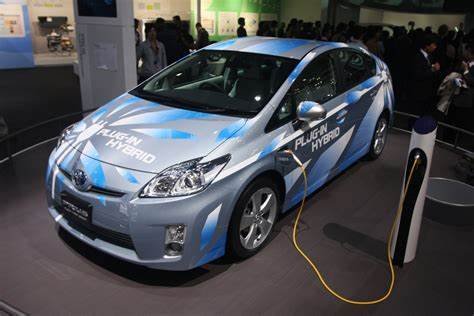
Hybrid vehicles represent the best of both worlds—combining internal combustion engines with electric motors for smarter, more fuel-efficient driving. They offer lower emissions, improved fuel economy, and a quieter ride, making them an excellent choice for eco-conscious drivers who still want flexibility and performance.

What We Cover:

  • Top Hybrid Models
    We spotlight leading hybrids in different categories—from compact sedans to spacious SUVs. You'll get detailed reviews, performance stats, and side-by-side comparisons.
  • Plug-In vs. Full Hybrids
    Not all hybrids are the same. We break down the differences between plug-in hybrids (PHEVs) and traditional hybrids, including how they work and what they cost to run.
  • Fuel Savings & Environmental Impact
    Find out how much you can cut fuel costs and lower your environmental impact. We analyze savings and eco-benefits using practical, everyday driving data.
  • Maintenance Insights
    Hybrid systems come with their own set of maintenance needs. Learn about battery life, service intervals, and long-term reliability.
  • Resale Value & Incentives
    Curious about depreciation or government rebates? We track hybrid vehicle trends to help you make smart investment decisions.

Experience Real-Time Casino Entertainment

Looking for an immersive casino experience from the comfort of your home? Explore crazy vegas live casinos and enjoy live dealer games, stunning visuals, and exciting gameplay that brings the casino floor directly to you. Try your luck today!

Manual Cars

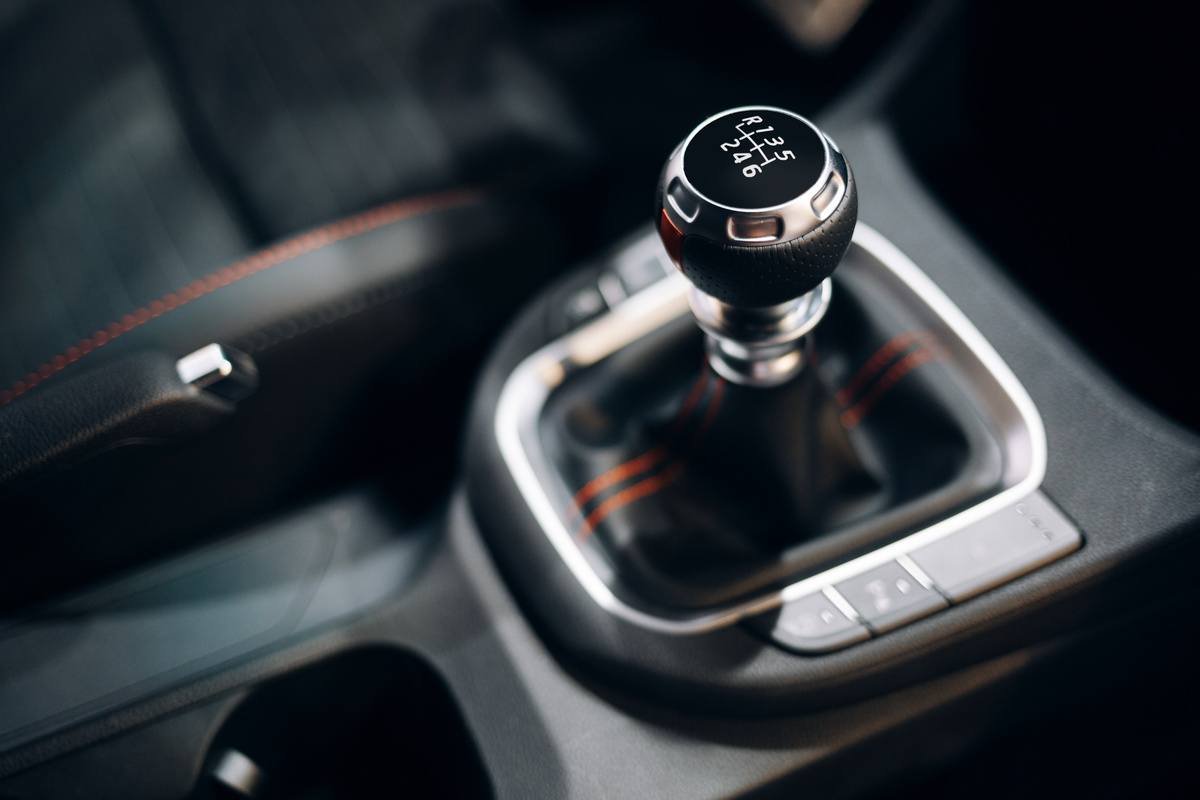
Cars with manual transmissions still attract driving purists who value control, responsiveness, and the joy of shifting gears. While fewer models are made today, they remain popular for their straightforward mechanics and engaging driving feel.

What We Cover:

  • Reviews of Manual Cars
    From classic sports cars to affordable compacts, we highlight the best new and used manual cars still available on the market.
  • How to Drive a Manual
    New to stick shift? Our beginner-friendly tutorials will teach you how to shift, brake, and drive smoothly without stalling.
  • Maintenance and Repairs
    Understand how to maintain a manual gearbox, replace clutches, and identify early signs of wear.
  • Manual vs. Automatic
    We lay out the pros and cons of each transmission type to help you decide what suits your driving style.
  • The Future of Stick Shift
    As the auto industry trends toward automation, we explore which brands still support manuals and why they matter.

Electric Vehicles (EVs)

Electric vehicles are redefining the way we travel. With zero tailpipe emissions, instant torque, and sleek designs, EVs are not just good for the planet—they’re exciting to drive. Whether you're an early adopter or just EV-curious, our content makes it easy to explore this growing segment.

What We Cover:

  • Comprehensive EV Reviews
    Dive into detailed reviews of the most popular electric vehicles across brands—featuring specs, performance, battery range, and user experience.
  • Battery, Charging & Range
    Learn how EV batteries work, how far you can drive on a single charge, and the difference between Level 1, 2, and DC fast charging.
  • Home Charging Setup
    We explain how to install a home charging station, find public chargers, and track your charging costs.
  • Ownership Costs & Incentives
    From federal rebates to local benefits, find out how much you can save and what it costs to own an EV.
  • EV Myths Debunked
    Worried about range, battery durability, or performance? We break down the myths with reliable data and genuine feedback from everyday EV drivers.

Discover the Excitement of Baccarat Online

For those seeking a thrilling card game experience, baccarat online offers an exciting opportunity to test your skills and enjoy the rush of winning. Whether you're new to the game or a seasoned player, online baccarat delivers an immersive gaming experience with the convenience of playing from anywhere. Take a seat at the virtual table, place your bets, and experience the excitement of baccarat in a whole new way.

See details about Acepokies online blackjack and discover exciting gaming opportunities!

Automotive Technology

Automotive technology is reshaping how we move, how we drive, and how vehicles interact with the world around them. From cutting-edge safety systems to intelligent onboard software, today’s vehicles are smarter, safer, and more efficient than ever before. In this section, we dive into the innovations that power the modern driving experience and explore what the future holds for the automotive industry.

What is Automotive Technology?

Automotive technology refers to the electronic systems, software, mechanical components, and engineering advancements that go into designing, building, and maintaining modern vehicles. It covers everything from basic powertrain systems to advanced driver-assistance features and fully autonomous vehicles.

Whether you're a tech enthusiast, a curious driver, or someone working in the auto industry, understanding automotive technology helps you make smarter decisions, appreciate your vehicle’s capabilities, and prepare for future trends.

Discover the Best French Casinos for a Thrilling Gaming Experience

If you're searching for top-notch online gaming entertainment, look no further than the best French casinos. La Riviera Casino stands out for its diverse selection of games, secure platform, and enticing player rewards. Whether you're a fan of slot machines or prefer strategic card games, there's something for everyone. Dive into a premium online casino experience and enjoy gaming at its finest today.

Key Areas We Cover

Advanced Driver-Assistance Systems (ADAS)

Modern cars are equipped with systems designed to prevent accidents and support safer driving. We explore:

  • Adaptive cruise control
  • Lane-keeping assist and lane departure warnings
  • Blind-spot detection and rear cross-traffic alerts
  • Emergency braking systems
  • Parking sensors and autonomous parking

These technologies use sensors, radar, and cameras to help drivers react faster and reduce risk.

Infotainment and Connectivity

The line between vehicles and smartphones continues to blur. We break down the latest in-car tech:

  • Touchscreen interfaces and digital dashboards
  • Apple CarPlay and Android Auto integration
  • Voice-command systems
  • Real-time GPS navigation and traffic updates
  • Wi-Fi hotspots and over-the-air (OTA) software updates

Learn how to get the most out of your car’s entertainment and connectivity features.

3. Electric and Hybrid Drivetrains

Automotive technology plays a major role in the shift toward cleaner, more efficient energy sources. We discuss:

  • How electric motors differ from traditional engines
  • Regenerative braking systems
  • Battery management and charging infrastructure
  • Plug-in hybrids vs. full electric vehicles
  • The evolution of range and power delivery in EVs

These innovations are key to reducing emissions and operating costs while maintaining strong performance.

4. Vehicle Safety Innovations

Beyond ADAS, other breakthroughs are enhancing driver and passenger safety:

  • Collision-absorbing materials and structural design
  • Smart airbags and passenger detection
  • 360-degree camera systems
  • Real-time vehicle health monitoring
  • Night vision and pedestrian detection

We explain how these features work and how they contribute to safer roads.

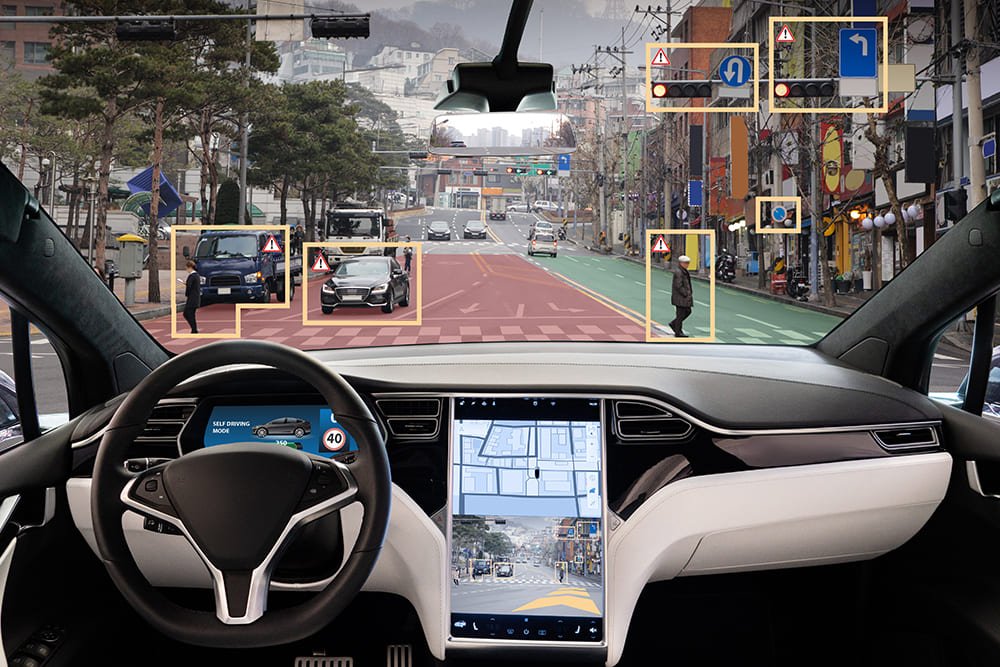
5. Autonomous and Self-Driving Technology

Self-driving cars are no longer science fiction. We look into:

  • Levels of vehicle autonomy (from driver assistance to full automation)
  • LiDAR, radar, and AI-based decision-making
  • Legal and ethical implications
  • Companies leading the way in autonomous tech
  • Real-world testing and deployment updates

Stay informed on how automation is set to transform transportation.

6. Green and Sustainable Technologies

Automotive innovation goes beyond performance. We also cover green tech solutions like:

  • Eco-friendly manufacturing practices
  • Use of recycled and sustainable materials
  • Solar-powered auxiliary systems
  • Low-emission vehicle designs
  • Hydrogen fuel cell development

Explore how automakers are building a cleaner, greener future.

Explore Casino Games at Jokaroom

Experience a world of online entertainment with a variety of casino games at https://www.jokaroom.net/en/casino-games/. Jokaroom offers a premium selection of games to suit every taste.

Ready to Explore?

Are you researching your next car purchase? Our detailed reviews and buying guides will help you cut through the noise and find the perfect match for your lifestyle and budget. Thinking about upgrading your current vehicle? Discover expert tips on maintenance, performance enhancements, and smart accessories that will keep your car running smoothly and looking great. Or maybe you’re just here for the passion—immersing yourself in stories, trends, and the latest innovations in the automotive world.

Driving is more than just transportation—it’s a journey, an adventure, and for many, a lifestyle. We want you to enjoy every mile with confidence and excitement.

So, buckle up and dive in. Explore our content, learn something new, drive smarter and safer, and then come back for more. Your next automotive journey starts here—and we’re thrilled to be part of it.

Explore. Learn. Drive. Repeat.